Blog
Sumac and Pul Biber: How to Use Them in Turkish Cooking
Sumac and pul biber may share space in a Turkish spice cupboard, but they do different jobs. Sumac brings a tart edge; pul biber brings pepper flavor and, depending on the product, chili heat. Knowing that distinction makes it easier to season a salad, finish a plate of köfte or adapt a recipe without losing its balance. Neither is a universal ingredient in every Turkish dish.
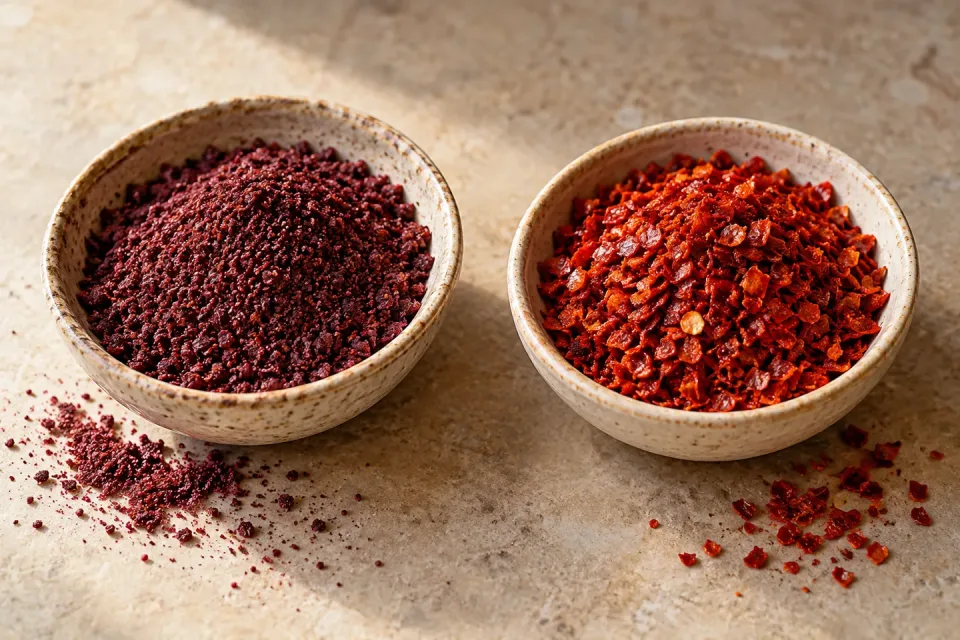
Start with flavor, not just color
Ground sumac, called sumak in Turkish, is made from the dried fruit of culinary sumac, not from chili peppers. Its burgundy color can look dramatic, but its main contribution is sourness rather than chili heat. That makes it useful when a dish needs a tangy finishing note without necessarily adding more liquid.
Pul biber is flaked red pepper. The pepper variety and preparation affect the result, and some products include salt or oil. Do not assume every packet is mild, or that every red flake tastes the same. Read the description and ingredient list, then try a small amount in a spoonful of the food before seasoning the whole dish.
Use sumac to brighten onions and vegetables
Sumac belongs naturally in discussions of Turkish salads and accompaniments. In Mardin, it is described as a souring spice for salads and dolma; a recorded Kilis onion salad combines sliced onion, a sumac souring ingredient and olive oil. These regional examples show its role, not a requirement that all Turkish salads must contain it.
For an easy way to explore the flavor, serve your usual Çoban Salatası with a little sumac offered separately. Follow the recipe's existing lemon dressing first, then taste before adding another sour ingredient. Alongside Köfte, a small onion accompaniment is another useful place to try it. These are optional serving choices, not compulsory additions to either recipe.
Let pul biber add warmth without taking over
Pul biber can appear in cooked dishes as well as at the table. A small finishing pinch lets each diner choose their preferred heat, which is particularly helpful when sharing a meal. With Köfte, offer it separately rather than making every portion equally hot. For Bulgur Pilavı, check the recipe's peppers and pepper paste before adding another source of heat.
When a recipe asks you to warm flakes in oil or butter, follow its timing and heat guidance instead of treating the spice as something to fry aggressively. For a first attempt, the aim is controlled pepper flavor, not a dark, scorched topping. Red color alone does not tell you how hot the finished dish will be.
Choose substitutes by the job they need to do
Sumac and pul biber are not substitutes for one another: one addresses sourness, the other pepper flavor and possible heat. If sumac is unavailable, a little lemon juice may supply acidity in a simple salad, but it also adds liquid and a different aroma. That is a practical adjustment, not an identical replacement for the dry spice.
For pul biber, check any alternative chili flakes carefully; a hotter product may need a much smaller amount. Sweet paprika can contribute pepper color and flavor but will not reproduce the texture or heat of chili flakes. In Kısır, taste the existing lemon or pomegranate element and pepper paste before changing anything. Keep a small portion aside to compare, rather than altering the entire bowl at once.
Read the packet and keep the two spices distinct
Look for clear ingredient and heat information when buying either spice. Sumac may already contain salt, and pepper flakes may also be salted or oiled, so taste before adding extra seasoning. If you need to avoid a particular allergen or gluten, check the complete product label rather than inferring suitability from the spice name. A spice blend is not necessarily the same as a single spice.
Keep packets or jars clearly identified, close them after use and use a clean, dry spoon. Follow the maker's storage directions and date guidance; avoid pouring spices directly over a steaming pot. For your next meal, choose one recipe and one small adjustment. Learning whether the dish needs sourness, pepper aroma or more heat is more useful than adding both spices simply because they are Turkish.
Recipes
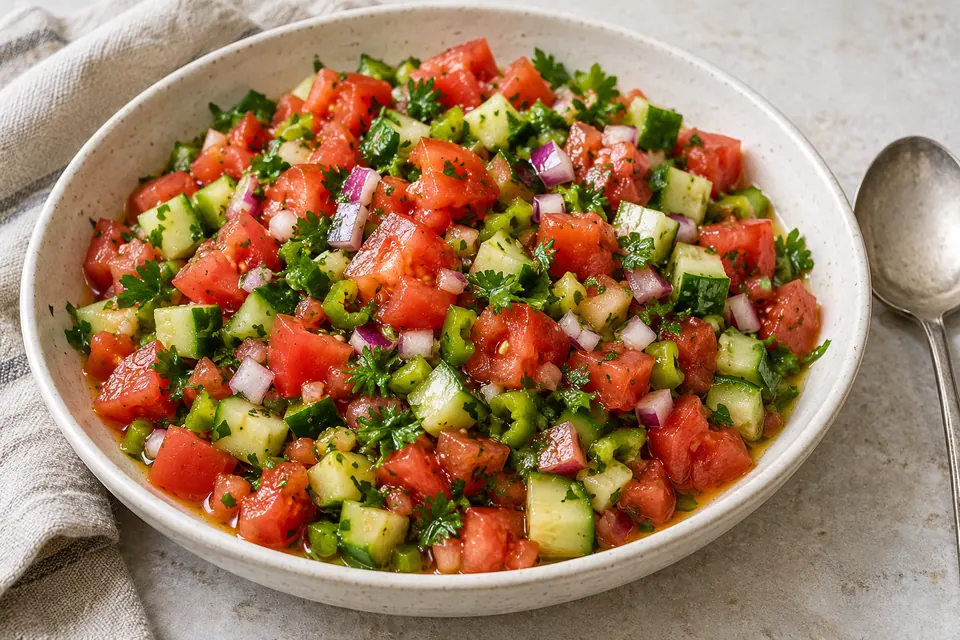
Turkish Shepherd Salad — Çoban Salatası
Turkish chopped tomato and cucumber salad
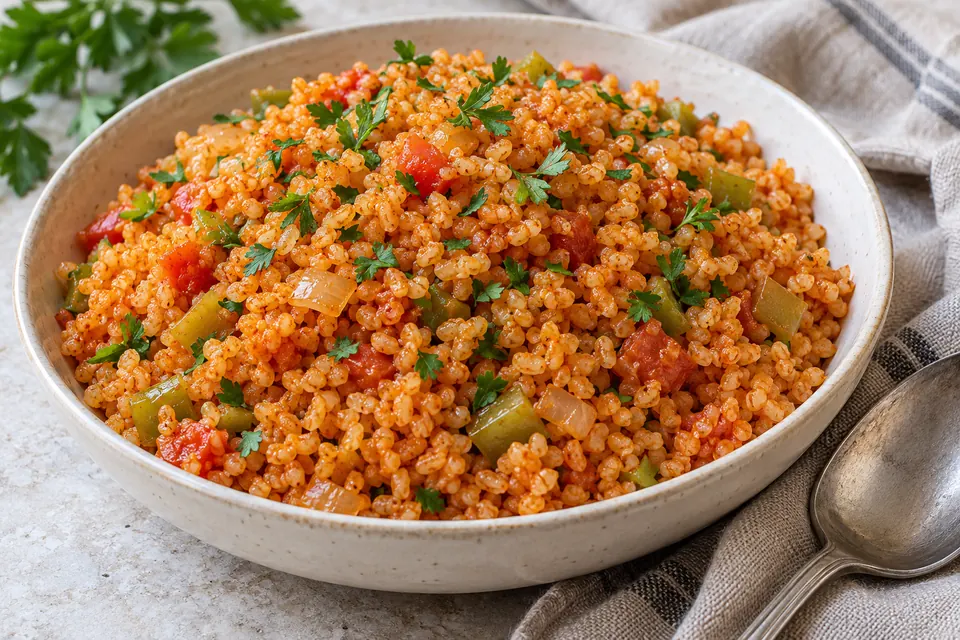
Turkish Bulgur Pilaf — Bulgur Pilavı
Turkish bulgur pilaf with tomatoes and mild green peppers
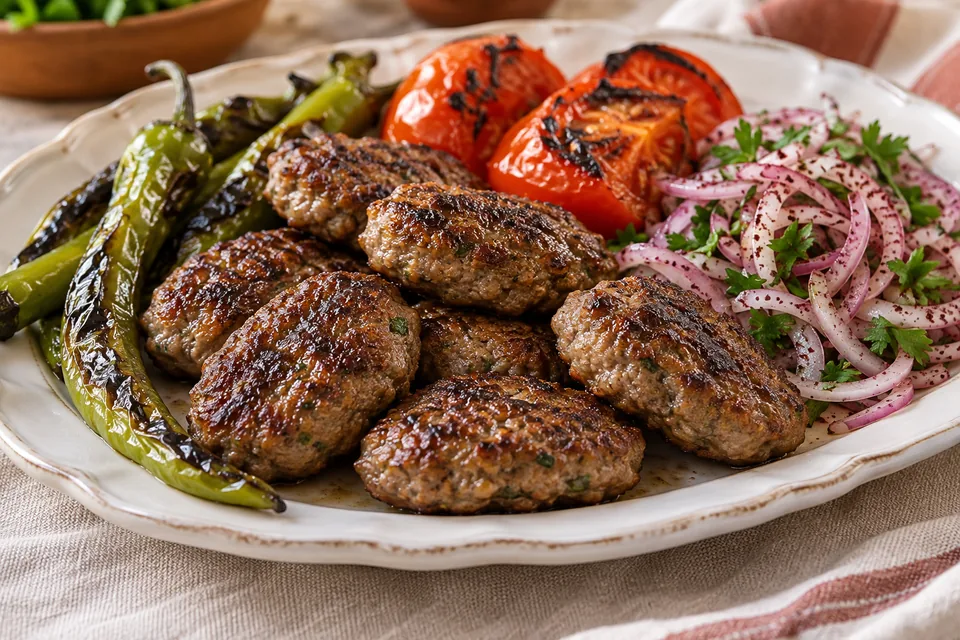
Turkish Meatballs Recipe — Köfte
Turkish pan-seared meatballs
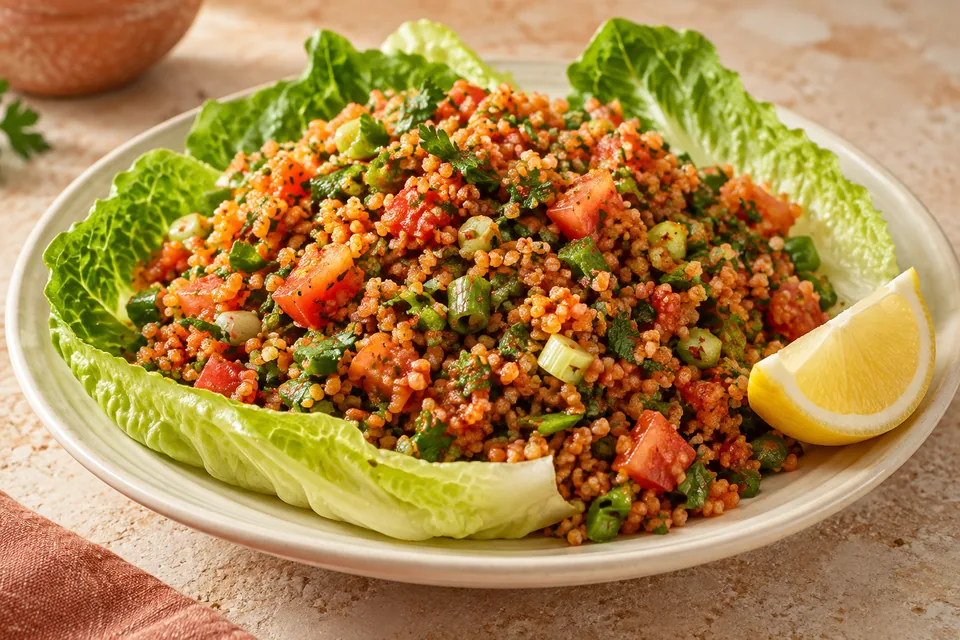
Turkish Bulgur Salad Recipe — Kısır
Herby bulgur salad with pomegranate