Blog
Nar Ekşisi in Turkish Cooking: Mersin, Hatay and the Sour Table
A spoonful of nar ekşisi carries more than acidity. This dark pomegranate concentrate can bring fruitiness, a little sweetness and a coating texture to a salad or vegetable dish. English labels often call it pomegranate molasses, but the Turkish name puts sourness first. Regional examples help explain its place more clearly than treating it as a universal finishing drizzle.
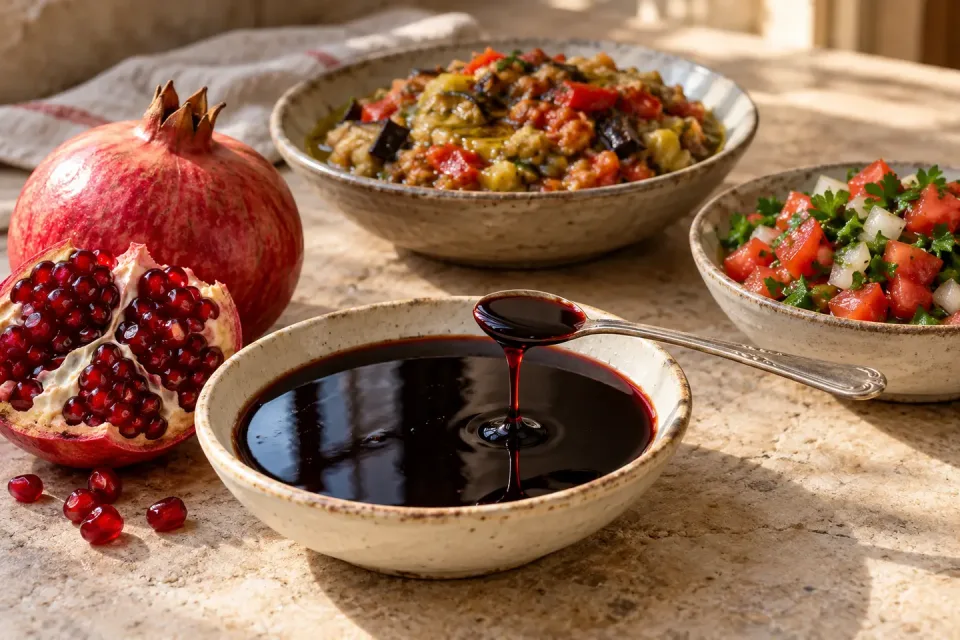
Mersin: from autumn fruit to a dark concentrate
The Culture Portal’s account of sour preparations in Mersin describes ripe sour pomegranates gathered in September and October. Their arils are separated and pressed in cloth; the liquid is removed from seeds and pulp, then boiled to produce the concentrate. Its dark color also gives it the local name kara ekşi. This is a record of seasonal processing rather than a complete home-preserving method.
That movement from fresh fruit to concentrated juice helps explain why a small addition can change a whole bowl. When choosing a bottle, read its ingredients and storage directions rather than judging it by darkness alone. Taste a little before dressing food: the balance you encounter in one product should not be assumed for every other bottle.
Hatay: sourness among roasted vegetables
In the documented Hatay preparation of abugannuc, eggplant, tomatoes and peppers are roasted, peeled and mashed together. Crushed garlic joins the vegetables, followed by nar ekşisi, olive oil and salt. The concentrate becomes part of the mixture, bringing acidity into the soft roasted vegetables instead of sitting only as a decorative line on top.
This particular account includes no tahini. It is useful to keep that distinction when discussing dishes with related names across neighboring food cultures. A regional record describes one preparation; it does not make every household or restaurant version identical. At the table, the combination offers a way to notice how sour fruit and smoky vegetables work together.
Adıyaman: tomato manca and a fresh contrast
Adıyaman’s domates mancası gives the same ingredient a different setting. The recorded salad combines chopped tomatoes, onion and parsley with olive oil, nar ekşisi and salt. Its accompanying note treats hot green pepper as an optional addition rather than part of the base. The source also records manca among older local terms used for these accompanying vegetable dishes.
Fresh tomato juice makes a looser dressing than a roasted vegetable mash does. For home serving, mix shortly before the meal and taste after the tomatoes and dressing meet. Begin with a restrained amount of concentrate and adjust to the tomatoes, rather than expecting a fixed splash to suit every season. Optional chili changes heat, not the role of sourness.
Gaziantep: choosing the sour ingredient for the dish
The Culture Portal’s Gaziantep overview places nar ekşisi beside lemon, unripe-grape preparations and sumac preparations in a varied sour pantry. It specifically associates pomegranate concentrate with cabbage and beet-leaf sarma. The point is the choice of sour ingredient for a dish: acidity is one element of flavor, not a reason to treat every souring ingredient as interchangeable.
For a practical next meal, explore the site’s Kısır and Gavurdağı Salatası recipes, then compare a cooked preparation such as Etli Lahana Sarması. These are routes into different textures, not a claim that every Turkish version uses the same dressing. Follow the selected recipe and taste your concentrate first. One well-balanced salad beside a main dish is enough to appreciate the ingredient without adding it to everything on the table.
Recipes
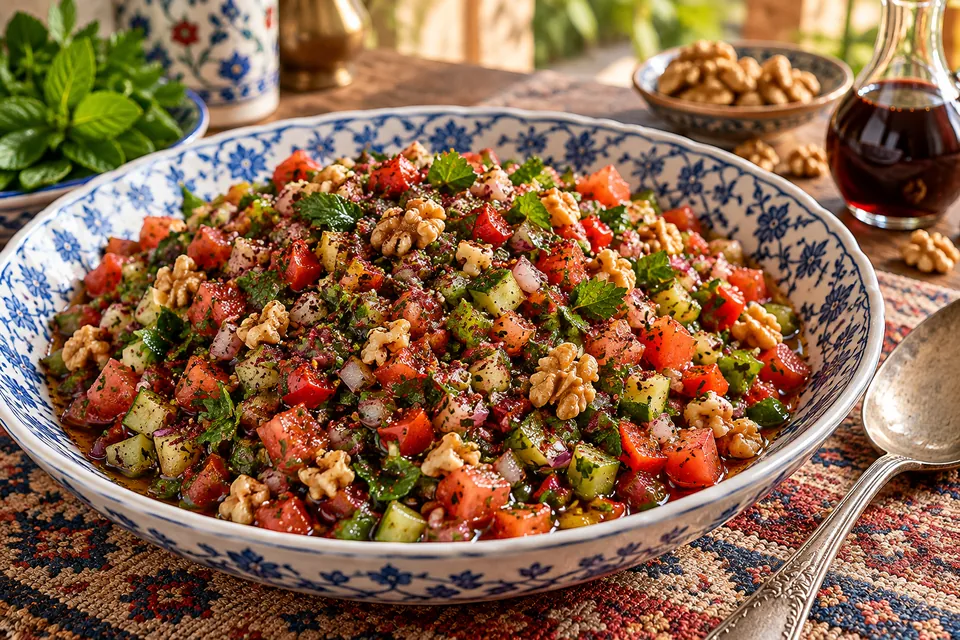
Turkish Tomato Walnut Salad — Gavurdağı Salatası
Turkish tomato and walnut spoon salad
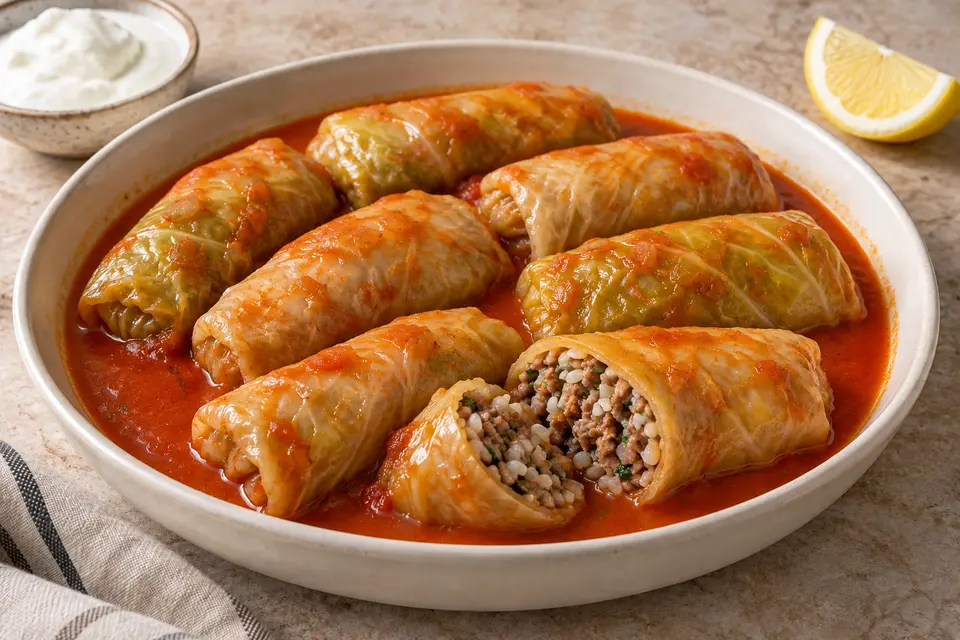
Turkish Stuffed Cabbage Rolls — Etli Lahana Sarması
Turkish cabbage rolls with beef, rice, herbs and tomato-pepper sauce
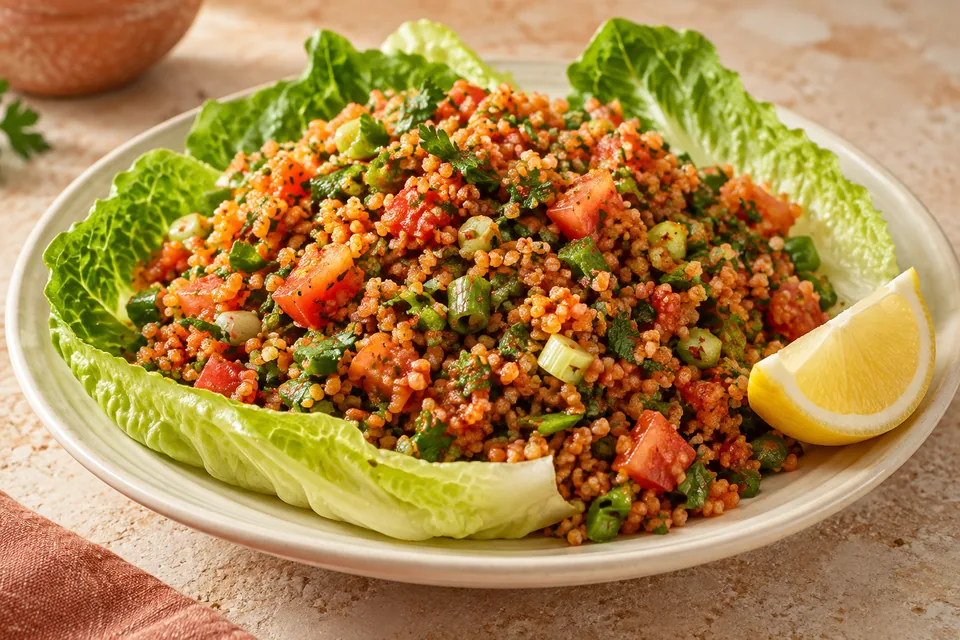
Turkish Bulgur Salad Recipe — Kısır
Herby bulgur salad with pomegranate