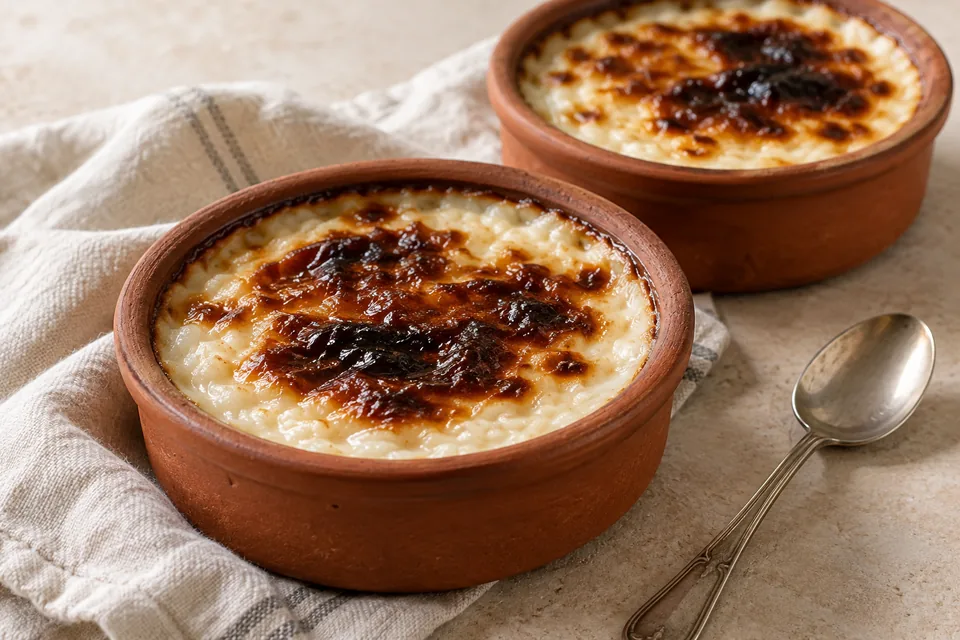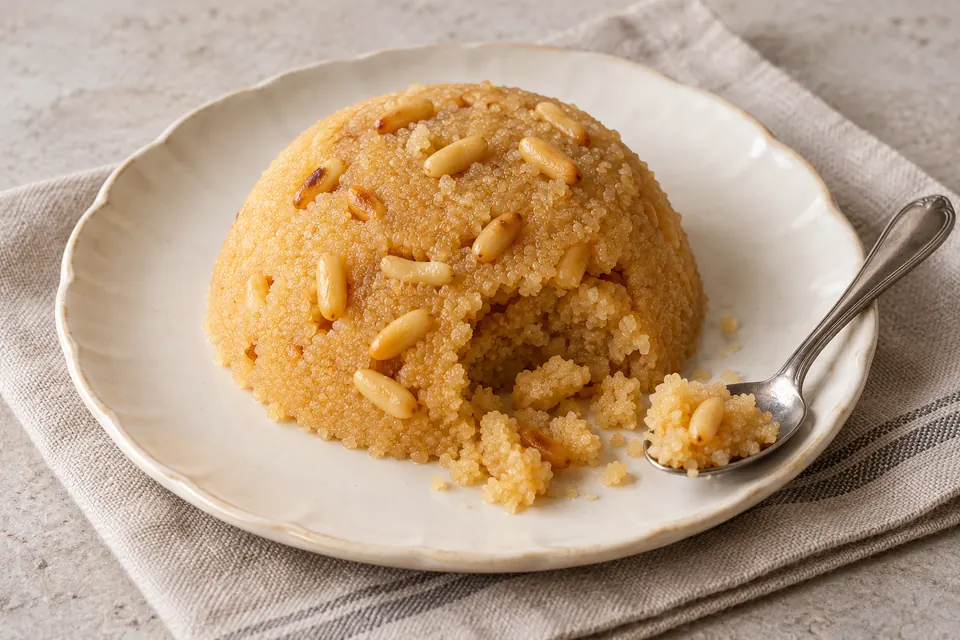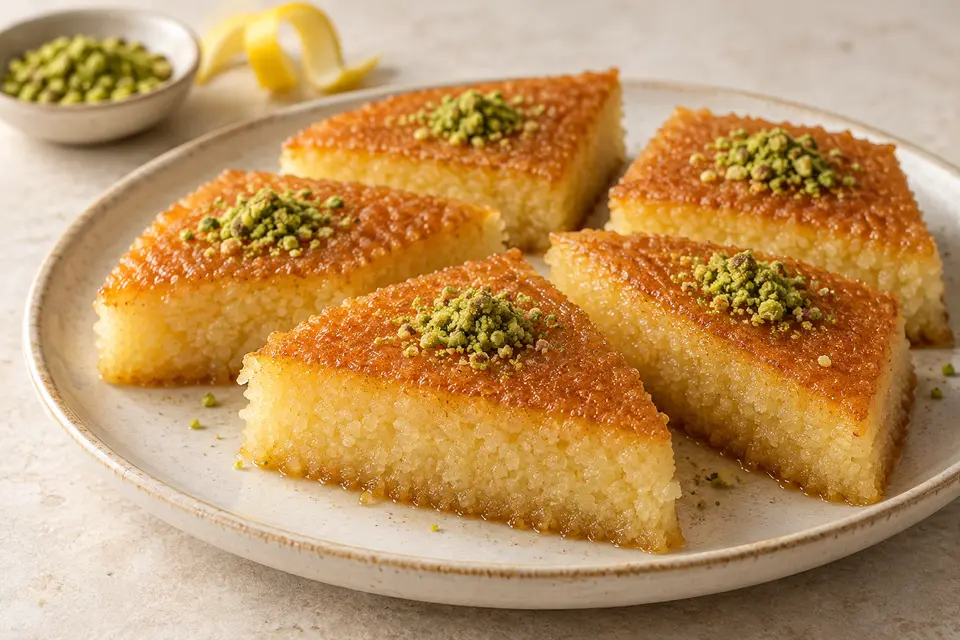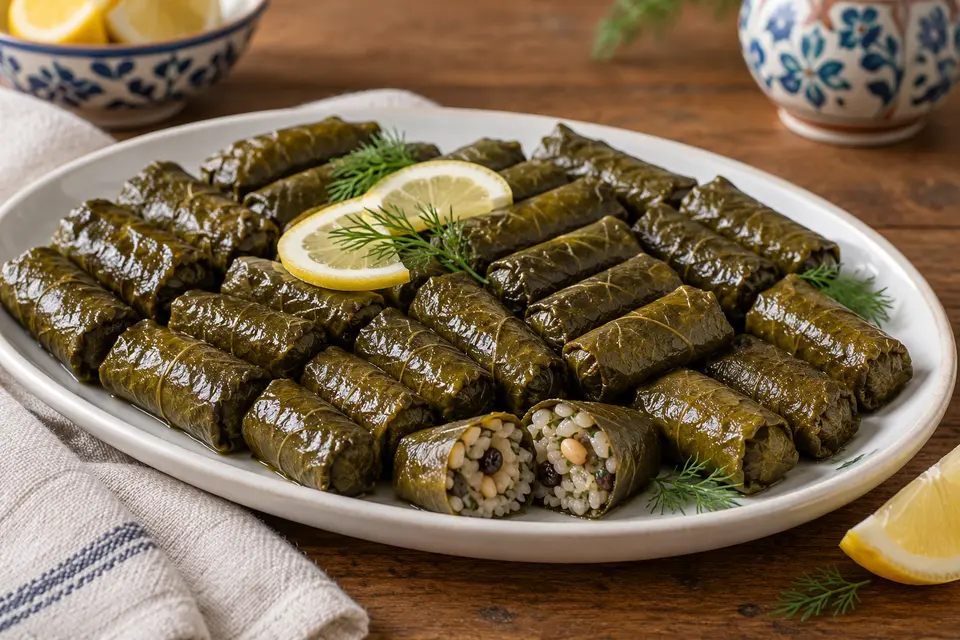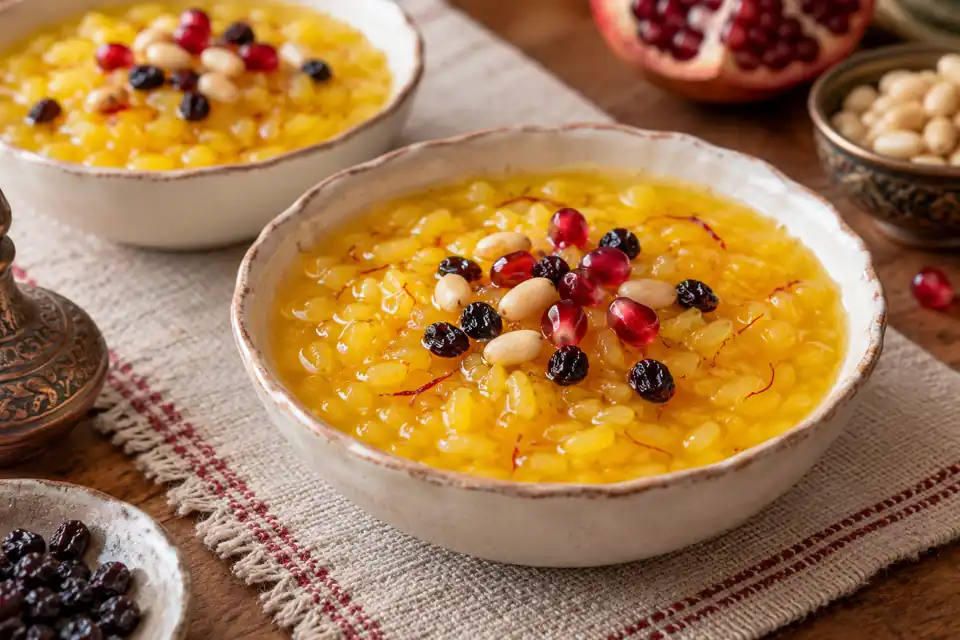
Official records from Şanlıurfa describe zerde as a rice-and-sugar dessert colored with locally grown safflower and served at weddings, engagements, circumcision celebrations, pilgrimage meals and holidays. İzmir’s cultural record also places zerde beside keşkek at wedding tables. Recipes vary: saffron supplies aroma and gold color in many versions, while safflower, called haspir, is characteristic in Urfa and contributes more color than saffron flavor. This recipe follows the measured rice, water, sugar and cornstarch method in Türkiye’s vocational culinary curriculum, with optional rose water drawn from regional records.
Zerde — Recipe Card
Turkish saffron rice dessert with rose water and festive garnishes
Makes 6 servings · 6 small dessert bowls, about 180 ml eachUS cup = 240 ml · tablespoon = 15 ml · teaspoon = 5 ml. Cup and weight conversions are approximate. Australian cooks: use a 15 ml measuring tablespoon.
Ingredient quantities and servings are scaled. Cooking times, pan sizes, frying oil depth, and temperatures stay the same; cook larger batches as needed.
Ingredients
How to make Zerde
Bloom the saffron
Take 60 ml (1/4 cup) from the measured water and heat it until steaming. Gently crush the saffron between your fingers, stir it into the hot water and leave it for 15 minutes.
Cook the rice
Reserve another 100 ml (about 7 tbsp) of cold water for the slurry. Put the remaining 1.14 litres (about 4 3/4 cups) water and the rinsed rice in a medium saucepan. Bring to a boil, reduce to a gentle simmer and cook uncovered for 25–30 minutes, stirring occasionally, until the grains are very soft and beginning to open.
Sweeten and color
Add the sugar and all the saffron infusion. Simmer for 5 minutes, stirring until the sugar has dissolved and the color is evenly golden.
Thicken gently
Whisk the cornstarch into the reserved 100 ml cold water until completely smooth. Pour it into the simmering rice in a thin stream while stirring. Cook over low heat for 4–5 minutes, stirring frequently, until the liquid lightly coats a spoon but remains pourable.
Finish and portion
Remove the pan from the heat and stir in the optional rose water. Divide immediately among 6 small bowls. Leave uncovered for 20 minutes so excess steam can escape.
Chill and garnish
Cover the bowls and refrigerate for at least 2 hours. Just before serving cold, scatter over the drained currants, pine nuts and optional pomegranate arils.
Bring this recipe to your kitchen with a printable copy.
Print recipeRecipe from MyTurkishRecipes · https://myturkishrecipes.com/turkish-saffron-rice-dessert-zerde. Quantities reflect your selected serving scale. Cooking times are estimates; follow the doneness cues.
A few helpful kitchen notes
Safflower variation
For an Urfa-style color profile, replace the saffron with 2 g dried safflower petals. Steep them in 120 ml hot water for 15 minutes, strain, and count that liquid within the total 1.3 litres. Safflower gives color but not saffron’s aroma.
Texture
Zerde should be glossy and softly spoonable, not sliceable. If it becomes too thick before portioning, stir in hot water 1 tablespoon at a time.
Dietary notes
The base recipe is vegan and contains no intentional gluten ingredients. For a medically required gluten-free diet, verify the cornstarch, rose water, dried fruit and nuts are labelled gluten-free and assess cross-contact; this recipe does not imply certification.
Nut-free serving
For a pine-nut allergy, omit the pine nuts and use extra pomegranate and currants. Check every packaged garnish for cross-contact.
How to store and reheat Zerde
Refrigerate the bowls within 2 hours of cooking, covered, at 4°C/40°F or below. Eat within 3–4 days. Zerde is served cold; freezing is not recommended because thawing can make the rice and gel watery.
Zerde: questions and answers
Is zerde the same as sütlaç?
No. Sütlaç is a milky rice pudding, while zerde is traditionally water-based, translucent and colored with saffron or safflower.
Can I make zerde the day before?
Yes. Chill it covered, then add the currants, pine nuts and pomegranate shortly before serving so the garnish stays distinct.
Can I use turmeric instead of saffron?
Turmeric changes both the flavor and the color. Safflower is the more culturally grounded color-focused alternative documented in Urfa zerde.
Why did my zerde become too firm?
It was probably cooked too long after the cornstarch was added. Remove it while it still pours easily because it thickens considerably during chilling.