Blog
Turşu in Turkish Cuisine: From Winter Pantry to the Table
Turşu is often translated simply as “pickles,” but the place it occupies in Turkish cooking is much wider than one jar of cucumbers. It is a way of carrying seasonal vegetables—and sometimes fruit—into another part of the year, a sharp counterpoint beside rich meals, a street drink in the form of turşu suyu, and in some regions an ingredient that returns to the frying pan. Looking at what goes into the jar, and what happens after it comes out, reveals a pantry tradition shaped by region and use.
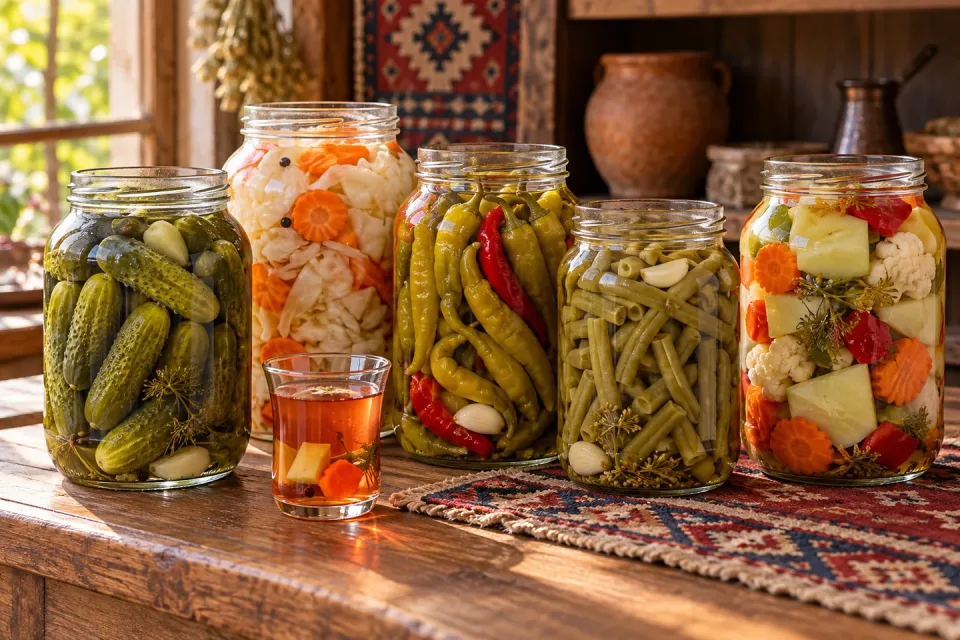
Turşu is more than cucumber
A Turkish pickle shelf may hold cucumbers, peppers and cabbage, but it does not stop there. The Ministry of Culture’s traditional-food inventory for Van lists tomato, acur, green beans and carrots alongside the familiar vegetables. It also records apples, pears and şamama—an unripe melon—being added to mixed jars, as well as a separate pickle made from cooked sugar beet. This range is a useful reminder that turşu names a broad pantry practice, not one standardized vegetable.
The liquid and seasoning also vary. Some jars lean on vinegar, others use lemon, and regional or household formulas can differ in salt, garlic and spice. That means “turşu” should not automatically be treated as a promise of one flavor, texture or preservation method. When buying a jar, look at the vegetable and the brine rather than assuming every version will resemble a dill cucumber pickle. At the table, taste first: the acidity and salt level should shape what you serve beside it.
Regional names carry specific identities
Some pickle traditions are closely tied to place. Çubuk Turşusu, associated with the Çubuk district of Ankara, has been registered as a Turkish geographical indication since 2008. The registration does not turn every mixed pickle into Çubuk Turşusu; it protects a named regional product. Similar place names on Turkish jars therefore deserve attention, because they may point to a particular local reputation and production tradition rather than serving as decorative branding.
Regional records also show different ideas about what belongs in a jar. Van’s fruit and beet examples sit far from the idea that Turkish pickling begins and ends with small cucumbers. Elsewhere, green beans, beet stems, capers, peppers and local fruits appear in named preparations. The best way to describe this variety is not to declare one national formula, but to ask three questions: what is being preserved, where is the style associated, and how is it used after the jar is opened?
From a side dish to a glass of turşu suyu
On a home table, a small bowl of turşu can sharpen foods that are soft, rich or gently seasoned. Try it beside Kuru Fasulye and Pirinç Pilavı, where a crisp, acidic bite interrupts the creamy beans and buttery rice. It can also accompany Köfte or fried fish, but the jar should support the meal rather than dominate it. Serve modest portions, keep different pickles separate when their brines are strongly flavored, and avoid salting the main dishes before tasting the pickle.
Turşu suyu moves the brine from accompaniment to beverage. GoTürkiye’s account of İstanbul street food places it near the fish-sandwich stalls and markets of Karaköy and Eminönü, served in small glasses with bits of pickle. The same source notes vinegar-based and lemon-based versions. This street context is important: the drink is not simply leftover liquid presented as an afterthought, but a deliberately served sharp and salty companion to food. Its intensity also explains why a small glass is usually enough.
When the pickle becomes the cooked dish
Black Sea cooking offers a useful correction to the idea that pickles must always stay cold. The Culture Portal’s record for Rize Turşu Tavalı starts with green-bean pickles. After excess salt is reduced by soaking, the beans are squeezed and cooked with onion, garlic, olive oil and pul biber. Here the pickle supplies acidity and a changed texture to a warm vegetable dish; it is the main ingredient, not a garnish waiting at the edge of the plate.
Ordu’s Fasulye Turşusu Diblesi takes the idea in another direction by combining chopped green-bean pickles with rice, onion, pepper and hazelnut oil. These two regional dishes show why a jar of turşu should be understood as part of a working pantry. It can bring contrast to beans and pilaf, become a street-side drink, or be cooked into a new meal. For a balanced Turkish-style table, choose the role first—crisp accent, drink or cooked ingredient—then choose the pickle that suits it.
Recipes
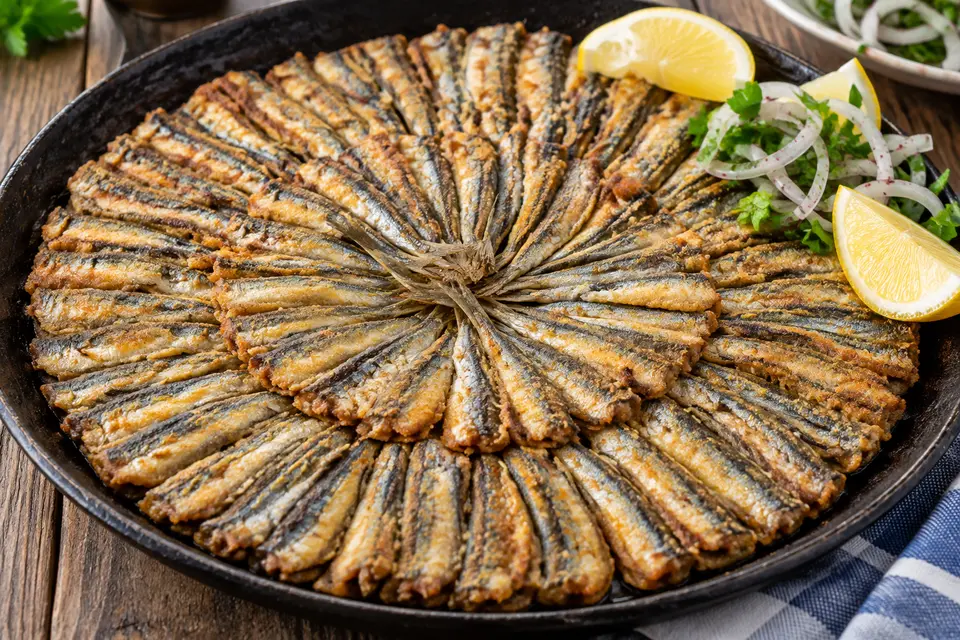
Turkish Fried Anchovies — Hamsi Tava
Black Sea-style pan-fried anchovies with a crisp cornmeal coating
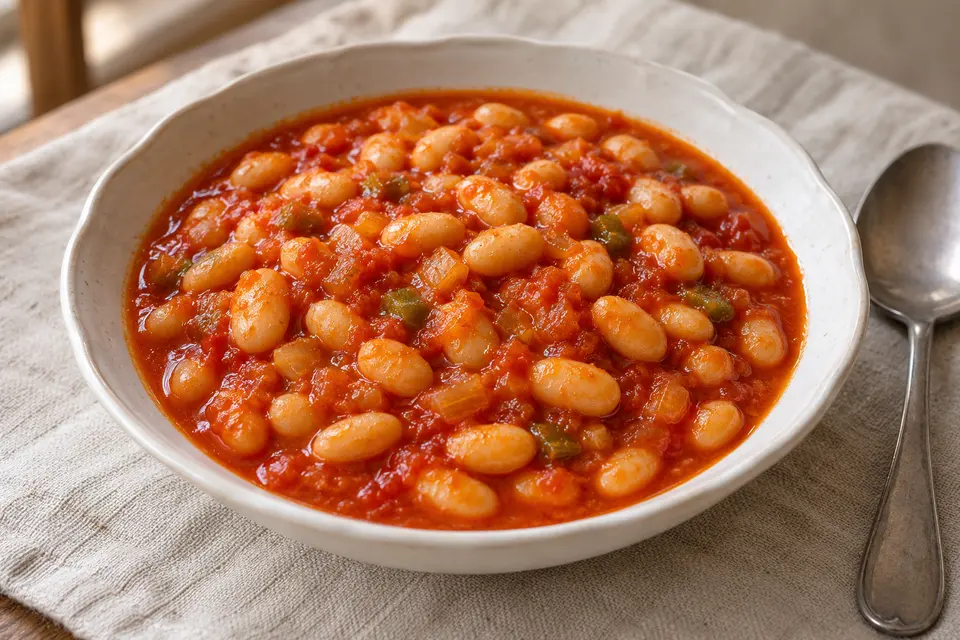
Turkish White Bean Stew — Kuru Fasulye
Turkish white bean stew in a tomato and pepper-paste sauce
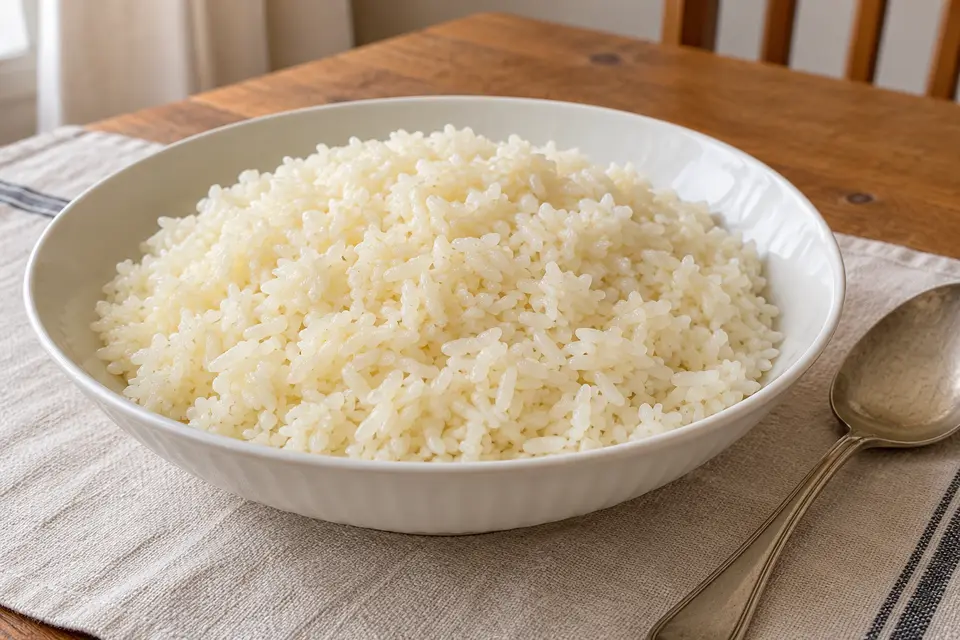
Turkish Buttered Rice Pilaf — Pirinç Pilavı
Turkish buttered rice pilaf with separate, tender grains
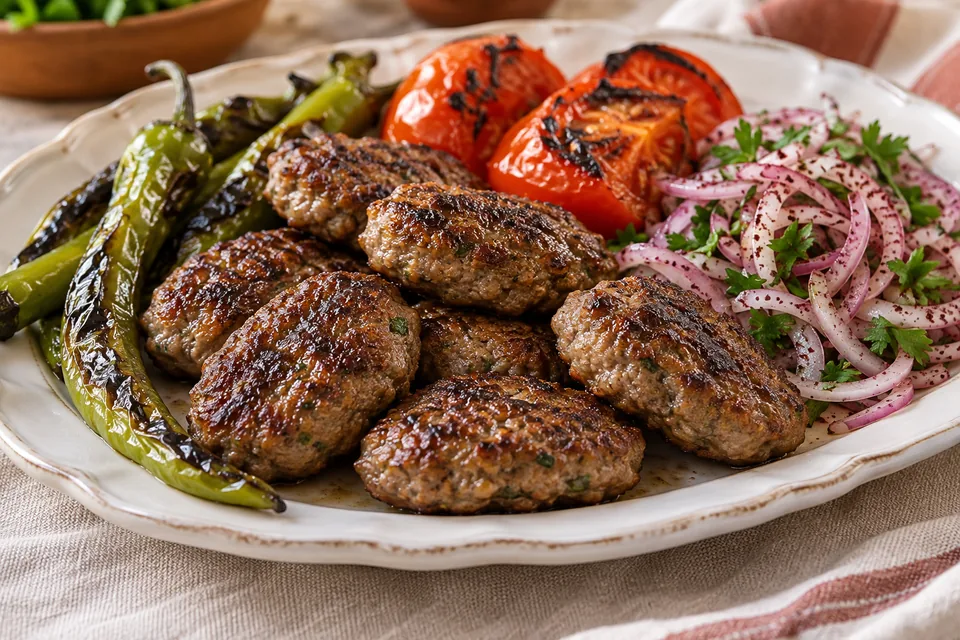
Turkish Meatballs Recipe — Köfte
Turkish pan-seared meatballs