Blog
Turkish Cheese at the Table: Beyaz Peynir, Tulum and Kaşar
Cheese on a Turkish table is not one fixed flavor or a single breakfast garnish. It may be a moist, brined slice beside tomatoes, a crumbly regional tulum served with walnuts, or a firm piece of aged kaşar shaved into a hot dish. Milk, landscape, salting and maturation all change the result. Understanding these differences makes shopping easier and also explains why Turkish cooks choose one cheese for the breakfast plate, another for pastry, and another for melting.
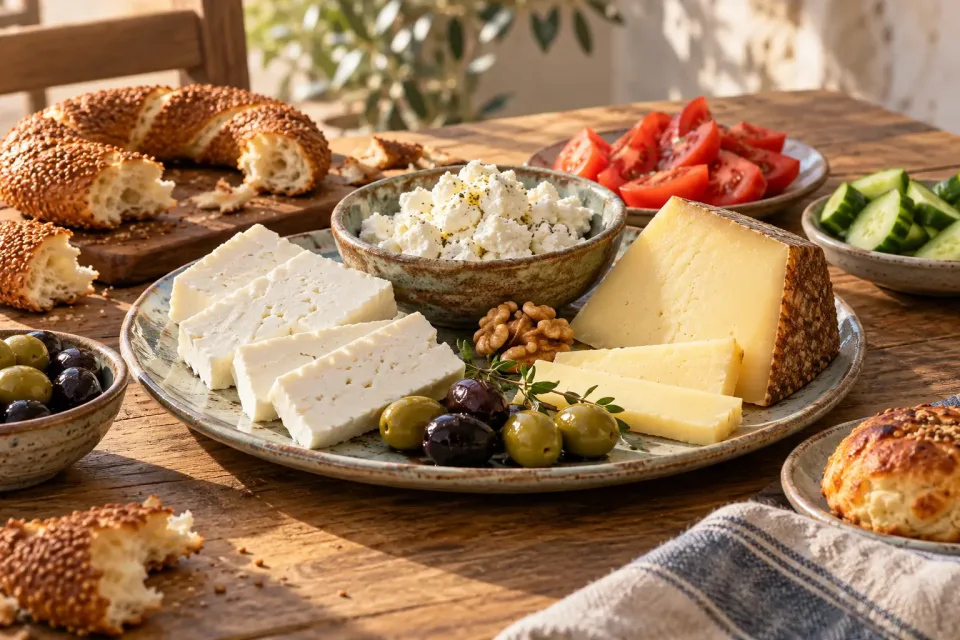
Beyaz peynir is a family, not a single substitute
Beyaz peynir simply means “white cheese,” but the name covers cheeses with noticeably different textures, salt levels and aromas. They may be made from cow’s, sheep’s or goat’s milk, or from a blend. Some are soft and creamy; others are compact enough to cut into clean blocks. Brining gives the cheese both seasoning and keeping quality, yet even two cheeses sold under the same broad name can behave differently on the plate.
Regional names matter. The official description of Edirne Beyaz Peyniri, for example, specifies fresh local milk, rennet and salt, followed by brining and cold maturation. The milk may come from sheep, goats or cows grazing around Edirne. That is more precise than treating every Turkish white cheese as interchangeable with feta. At breakfast, serve it in small slices with tomato, cucumber, olives and bread. A firmer, less watery piece is usually easier to crumble into Peynirli Poğaça, while a creamy cheese is pleasant eaten as it is. Taste before adding salt elsewhere in the meal.
Tulum changes from region to region
Tulum is also a category rather than one uniform cheese. The word refers historically to the skin or bag used for maturing, but present-day cheeses carrying the name vary by region, milk and method. Some are crumbly and sharp, others creamier; some use sheep’s milk, while others use cow’s milk or a mixture. A label that names Erzincan, İzmir, Bergama or another origin therefore tells you more than the word tulum alone.
İzmir’s traditional kumru shows how regional cheese belongs to a particular food setting. The Ministry of Culture’s account describes the sesame-covered bread filled with İzmir or Bergama tulum, tomato and green pepper; newer hot versions can contain very different ingredients. At home, tulum needs little decoration: a modest spoonful with walnuts and warm bread is enough. Its concentrated salt and aroma work best as one accent among fresh vegetables and milder foods, not as a blanket over every dish.
Fresh and aged kaşar serve different purposes
Kaşar is often presented abroad as “Turkish cheese for melting,” which describes only part of its range. Fresh kaşar is pale, mild and supple, so it suits toast, eggs and fillings. As kaşar matures, moisture falls, the texture firms and the aroma becomes deeper. Aged kaşar can be sliced thinly for breakfast, grated over a hot dish or served in a small wedge alongside fruit and bread.
Kars Kaşarı is a protected regional example, not a synonym for every kaşar. Its official profile links production to milk obtained during the May-to-August grazing season in the high pastures of Kars and Ardahan. The same profile distinguishes the mild, whitish interior of fresh Kars kaşar from the firmer, yellowish-cream body and more intense aroma that develop with age. Let that distinction guide the kitchen: choose fresh kaşar when an even melt matters, and an older cheese when a smaller amount of flavor should remain clearly present.
Build a balanced cheese plate
A useful Turkish-style cheese plate is based on contrast, not sheer quantity. Start with one brined white cheese, add a small portion of tulum or another crumbly regional cheese, and finish with fresh or aged kaşar. Tomato, cucumber, olives and seasonal fruit provide freshness; Simit supplies crunch and sesame aroma. Keep cheeses chilled until shortly before serving, use a clean knife for each style, and follow the producer’s storage directions. If a brined cheese seems very salty, taste it first rather than automatically soaking it, because texture and intended saltiness vary.
The plate can also anchor a larger meal. Add Menemen when you want a warm, vegetable-rich breakfast, or bake Peynirli Poğaça when the cheese needs to travel in a soft pastry. What matters is matching function to character: creamy or brined cheese for cool contrast, a dry crumbly cheese for a concentrated accent, and fresh kaşar for melting. Turkish cheese culture becomes clearer when those distinctions are preserved instead of reducing every white cheese to feta and every yellow cheese to a generic melting slice.
Recipes
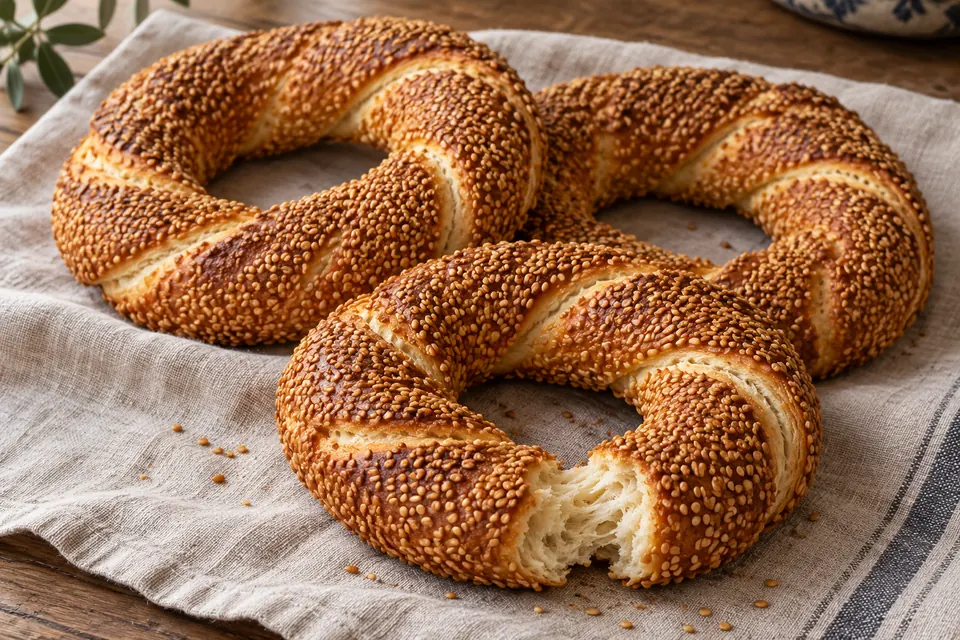
Turkish Sesame Bread Rings — Simit
Turkish twisted bread rings with grape molasses and sesame
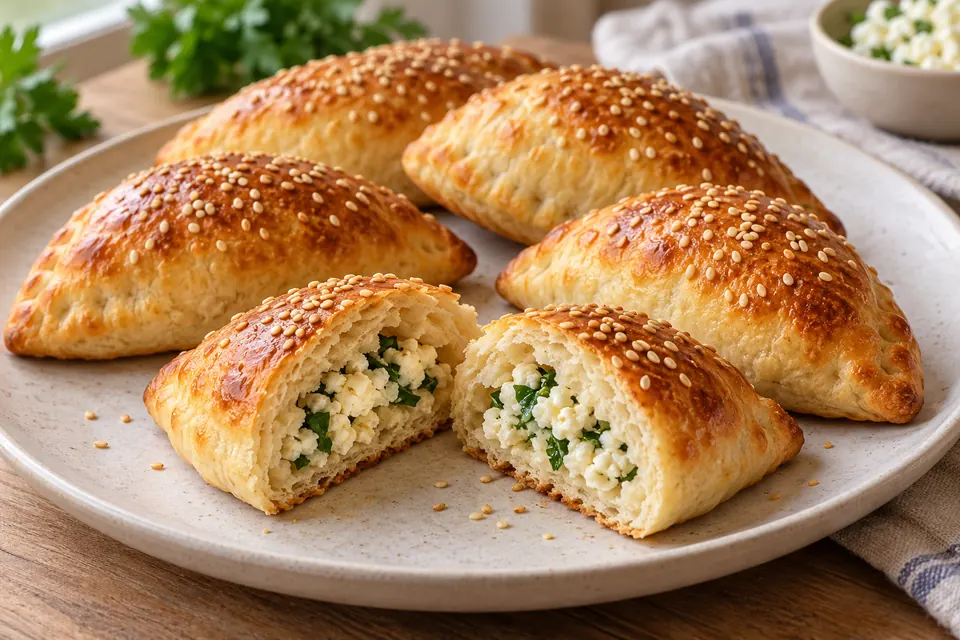
Turkish Cheese Pastries — Peynirli Poğaça
Soft Turkish yeast-raised pastries with white cheese and parsley
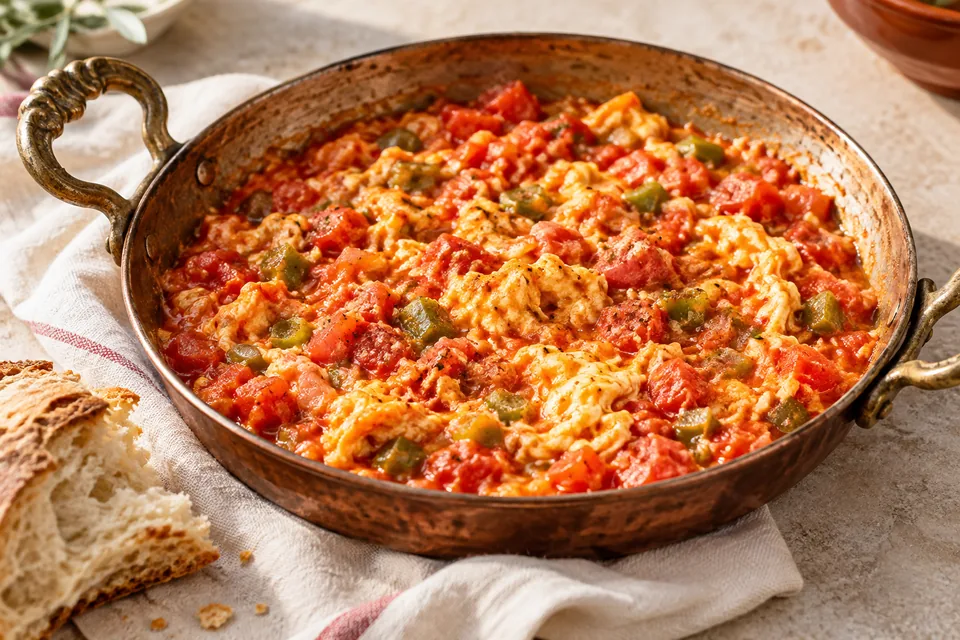
Turkish Scrambled Eggs Recipe — Menemen
Turkish eggs with tomatoes & peppers