Blog
Salça in Turkish Cooking: Tomato Paste, Pepper Paste and When to Use Each
Open a Turkish pantry and you are likely to find salça: a dense paste that gives soups, stews, pilafs and bulgur dishes their red colour and savoury depth. The word does not name one single product. Domates salçası is made from tomatoes, while biber salçası is made from red peppers and may be sweet or hot. Many cooks keep both and choose between them—or combine them—according to the dish, the region and the household.
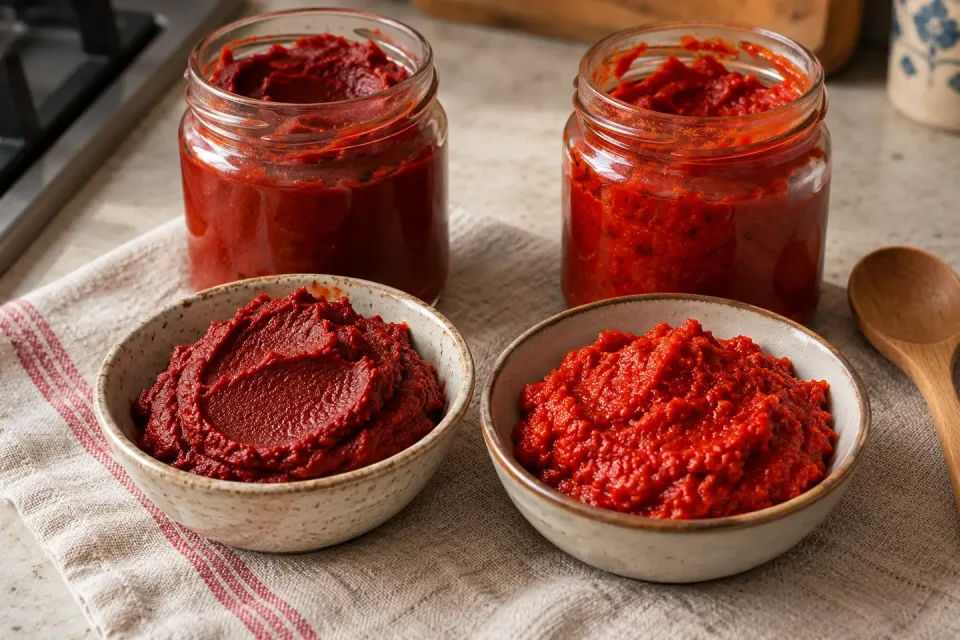
Tomato paste and pepper paste are not interchangeable
Tomato paste brings rounded acidity, sweetness and a familiar cooked-tomato flavour. It is useful when a dish needs body without a strong pepper character: think of bean stews, lentil soup, rice or bulgur pilaf, and the sauce base for stuffed vegetables. Pepper paste is more aromatic. Tatlı biber salçası is made from sweet red peppers; acı biber salçası includes heat. Either can taste fruitier and more assertive than tomato paste, so a smaller spoonful may be enough.
The distinction is cultural as well as practical. The registered Antep or Gaziantep pepper paste is made from local red peppers whose stems and seeds are removed before the pulp is concentrated with rock salt. Its official specification requires production in Gaziantep and records a minimum soluble-solids level, which helps explain the paste's dense texture. That protected product is a regional example, not a definition of every pepper paste sold in Türkiye.
Regional dishes show how cooks combine them
There is no national rule saying that one paste always belongs in one dish. The Ministry of Culture and Tourism's regional recipe archive shows both tomato and pepper paste in Kilis iç katması, where they season fine bulgur with onion, olive oil and souring ingredients. A Bitlis winter stew likewise uses one spoonful of each; the pastes are fried with onion until fragrant before water and dried vegetables are added. These examples show a common technique while also preserving local combinations.
Elsewhere, pepper paste takes the lead. A Düzce acıka entry describes fleshy red peppers cooked, drained and ground with garlic, coriander, basil and salt. The finished condiment acts as both seasoning and paste. Such examples are a reminder that salça can range from a relatively plain concentrated ingredient to a seasoned regional preparation. Read the label before deciding how much salt, chilli or spice a dish still needs.
How to cook salça without making it harsh
For a cooked dish, add salça after the onion has softened and before pouring in water or stock. Stir it in the fat for about a minute over moderate heat, just until its raw smell fades and the oil turns red. High heat can scorch the natural sugars and make the paste bitter. If the pan looks dry, loosen the paste with a spoonful of water rather than adding more oil.
A useful starting point is one tablespoon of paste for a family-sized pot, then adjust. Use tomato paste for mellow depth, pepper paste for a more vivid pepper aroma, or half of each for balance. In menemen, fresh tomatoes usually remain the main ingredient; salça is optional support, especially outside tomato season. In kısır or a spicy tomato dip, pepper paste can contribute both colour and a concentrated savoury note, but its salt and heat should be checked first.
Buying and storing a jar
Choose a short ingredient list and decide whether you want sweet or hot pepper paste. Colour alone is not a perfect guide: pepper variety, concentration and production method all matter. A very salty paste needs a lighter hand elsewhere in the recipe. If a jar is labelled with a protected regional name, look for the geographical-indication emblem rather than assuming every jar in that style is identical.
After opening, keep salça refrigerated, use a clean dry spoon and level the surface so fewer pockets are exposed to air. Follow the manufacturer's storage instructions and discard the paste if it develops mould or an abnormal smell. Freezing small portions is practical when a large jar will not be used quickly. Salça is concentrated, so treat it as a seasoning: taste the food after it has dispersed, then decide whether it needs more paste, salt or acidity.
Recipes
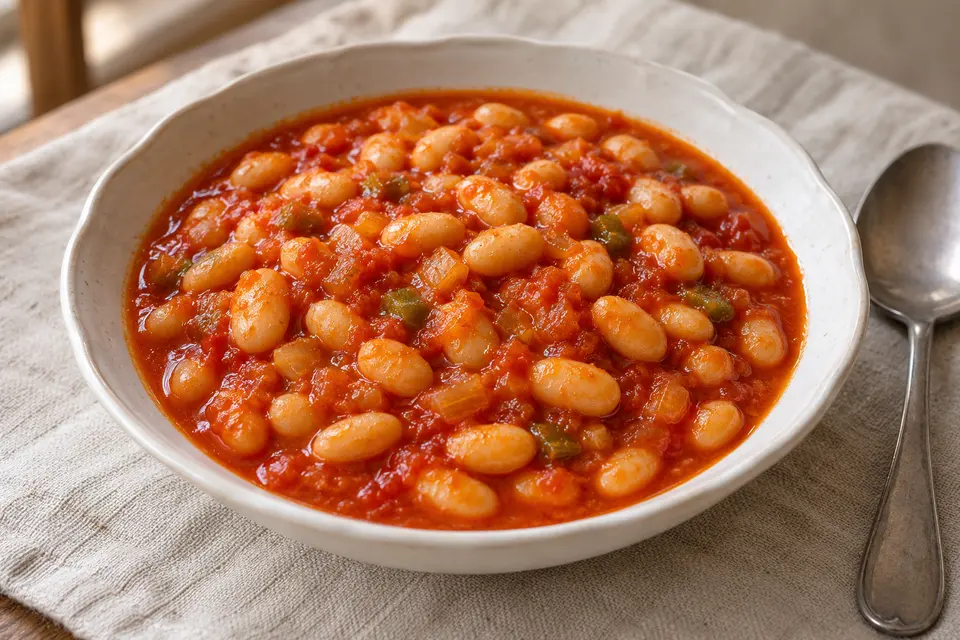
Turkish White Bean Stew — Kuru Fasulye
Turkish white bean stew in a tomato and pepper-paste sauce
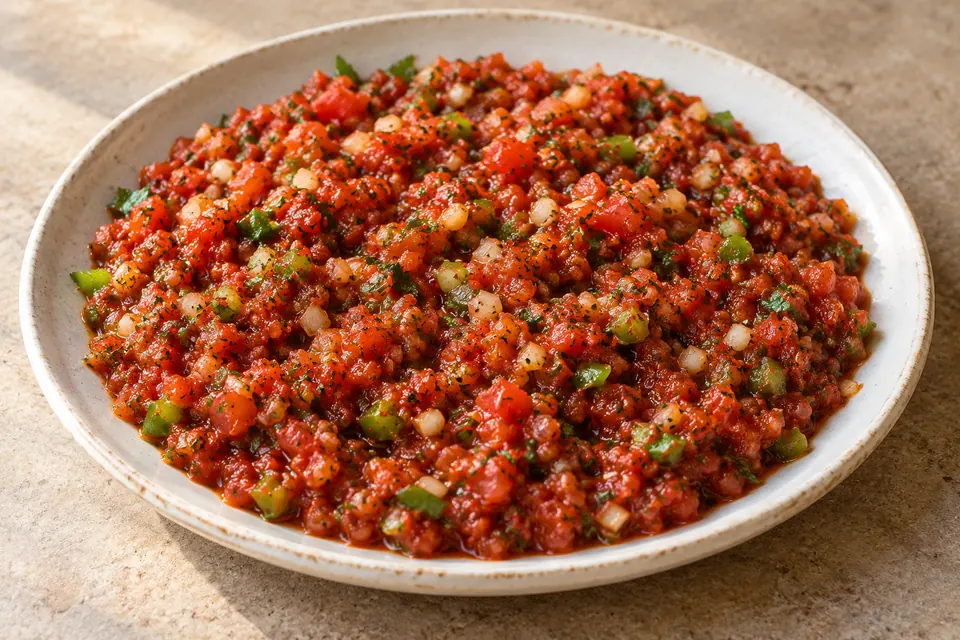
Turkish Spicy Tomato Dip — Acılı Ezme
Turkish spicy chopped tomato and pepper meze
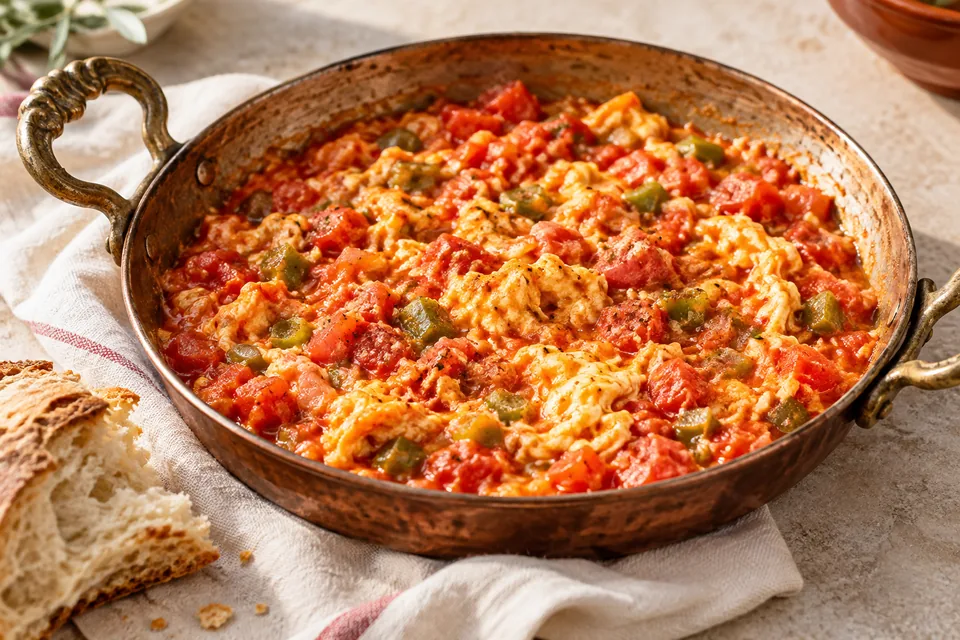
Turkish Scrambled Eggs Recipe — Menemen
Turkish eggs with tomatoes & peppers
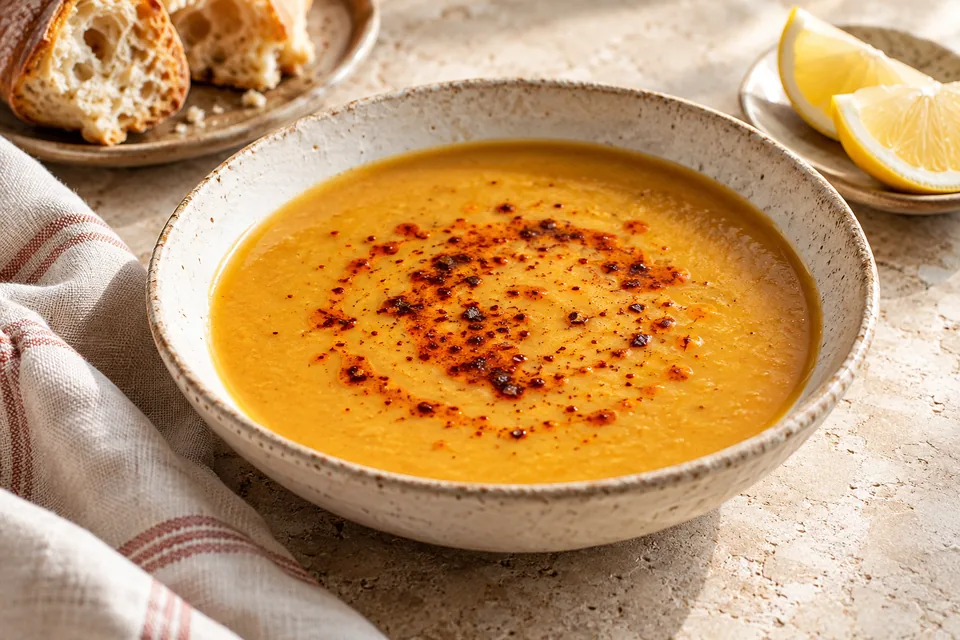
Turkish Red Lentil Soup Recipe — Mercimek Çorbası
Silky Turkish red lentil soup
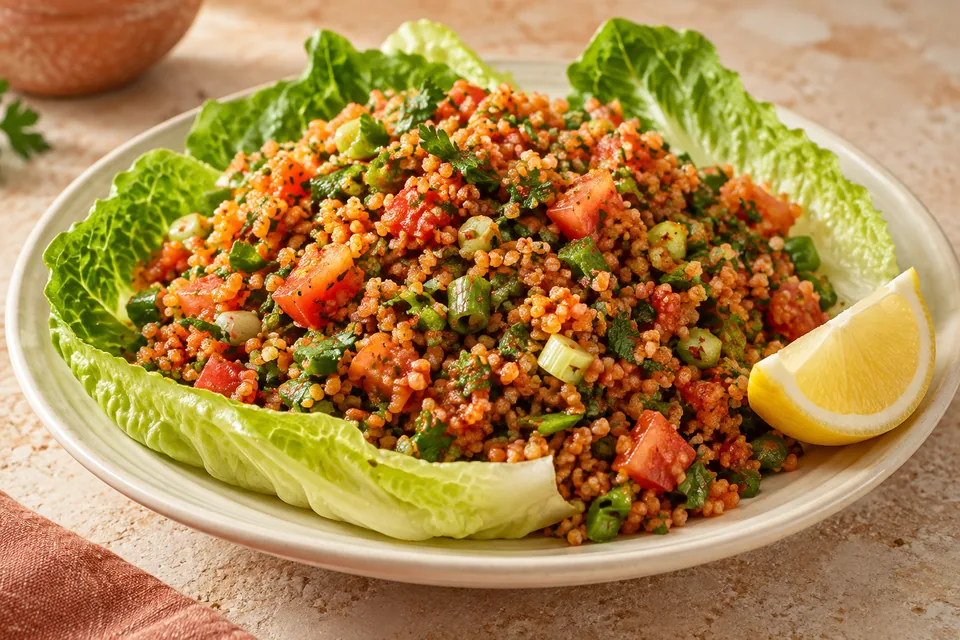
Turkish Bulgur Salad Recipe — Kısır
Herby bulgur salad with pomegranate