Blog
Poppy Seed in Afyonkarahisar: Paste, Katmer and Pilaf
In Afyonkarahisar, haşhaş belongs inside the food as much as on its surface. Ground poppy seed runs through folded dough, enriches bulgur and gives familiar pantry ingredients a distinct regional character. Understanding whether a dish calls for whole seeds, paste or oil makes this tradition easier to recognize—and helps a home cook choose the right product rather than treating every form as interchangeable.
A regional ingredient with several forms
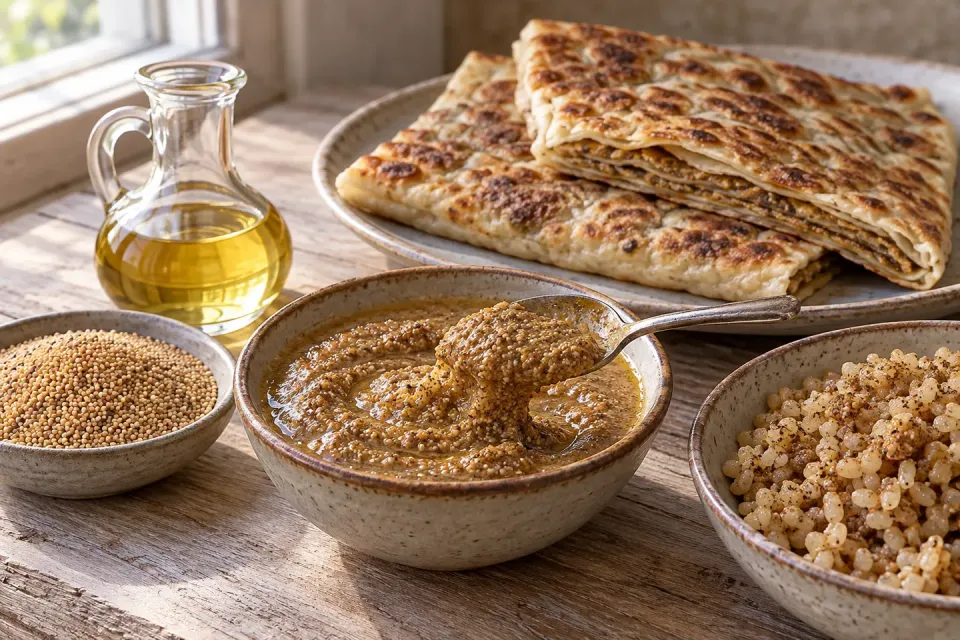
Türkiye’s Culture Portal identifies poppy as an established part of Afyonkarahisar’s food culture, especially in bükme, ağzıaçık, lokul and katmer. Its local account also mentions poppy breads and çörek sold in bakeries. This is a useful regional lens, rather than a rule that all Turkish pastries contain poppy or that every family prepares these foods identically.
Whole culinary seeds, ground seed paste and edible seed oil perform different jobs. Seeds contribute visible texture; paste carries the ground seed through a dough layer or into a moist dish; oil supplies fat without the same solid particles. When shopping, look for the form named in the recipe. An unsweetened paste is appropriate for the savory preparations discussed here; a sweet baking filling changes both seasoning and texture.
Katmer and bükme: two ways to build layers
The provincial katmer recipe spreads an oil-and-poppy mixture over rolled dough, rolls it up, cuts portions and rolls them out again before cooking on a hot sac or pan. Its character comes from the distribution of poppy between thin layers. In this Afyon version, the word katmer points to a savory layered bread, so the regional name matters when comparing menus and recipes.
Bükme uses another sequence: sheets are coated, folded into packets and nested before smaller rectangles receive a lentil-and-onion filling. The Culture Portal’s version is baked and may also use potato filling. Poppy is therefore part of the pastry structure, not merely a finishing sprinkle. The documented use of rendered animal fat also means a lentil filling alone does not establish that a pastry is vegetarian; check the dough fats as well.
Bulgur takes poppy beyond the pastry tray
GastroAfyon documents haşhaşlı bulgur pilavı with ground poppy loosened in some of the pilaf’s cooking liquid and stirred into the softened grain. Heated butter finishes that version. The same source notes another method in which bulgur is cooked with poppy-seed oil and no additional butter is used. These are related approaches, but paste and oil give different textures and should not be swapped without considering the method.
This example makes the ingredient’s role especially clear: the grain is the body of the dish, while poppy is worked through it. A plain bulgur pilaf is a useful comparison for learning how grain size and liquid affect the result, but it should not be relabeled as Afyon poppy pilaf simply because a few seeds have been scattered over the top.
Reading the table, then planning your own
Afyonkarahisar’s food-culture account places pastries, pilafs and fruit compotes within a much wider repertoire of meals and celebrations. The bükme entry specifically mentions sour-cherry compote, with melon or watermelon in summer. Those pairings show one documented way a rich pastry can share the table with fruit, without prescribing a single menu for every occasion.
For a modest home meal, choose one substantial pastry or one pilaf, rather than recreating a ceremonial spread. If sour-cherry compote is unavailable, dried-apricot hoşaf offers a different fruit accompaniment from the wider Turkish repertoire; present it as your practical pairing. Keep paste and oil in their original containers and follow their storage labels. Most of all, retain the dish’s regional name and ingredient form: those two details explain far more than the broad description ‘poppy bread’.
Recipes
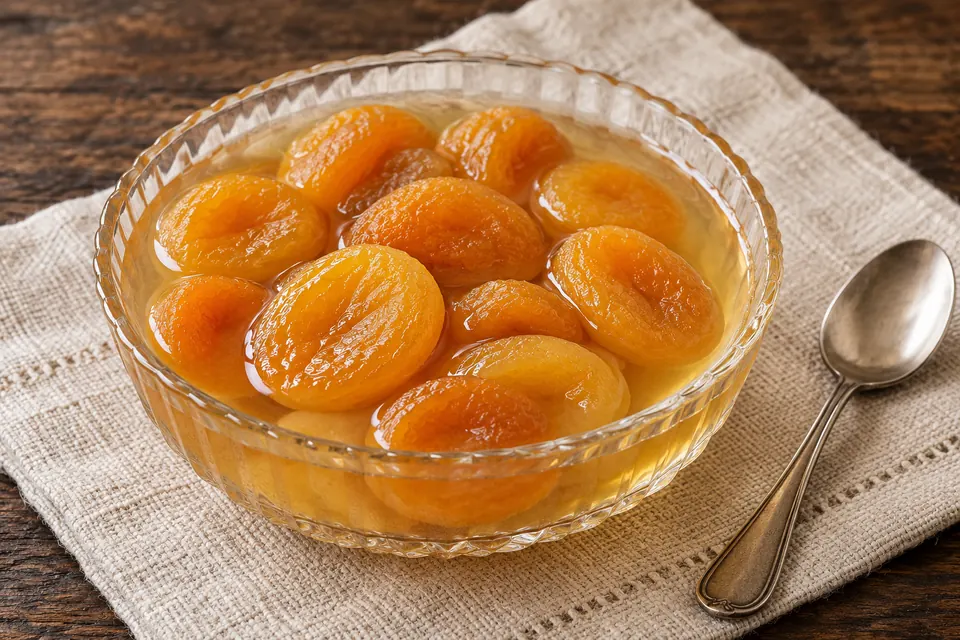
Turkish Dried-Apricot Compote — Kuru Kayısı Hoşafı
Turkish dried-apricot compote served chilled
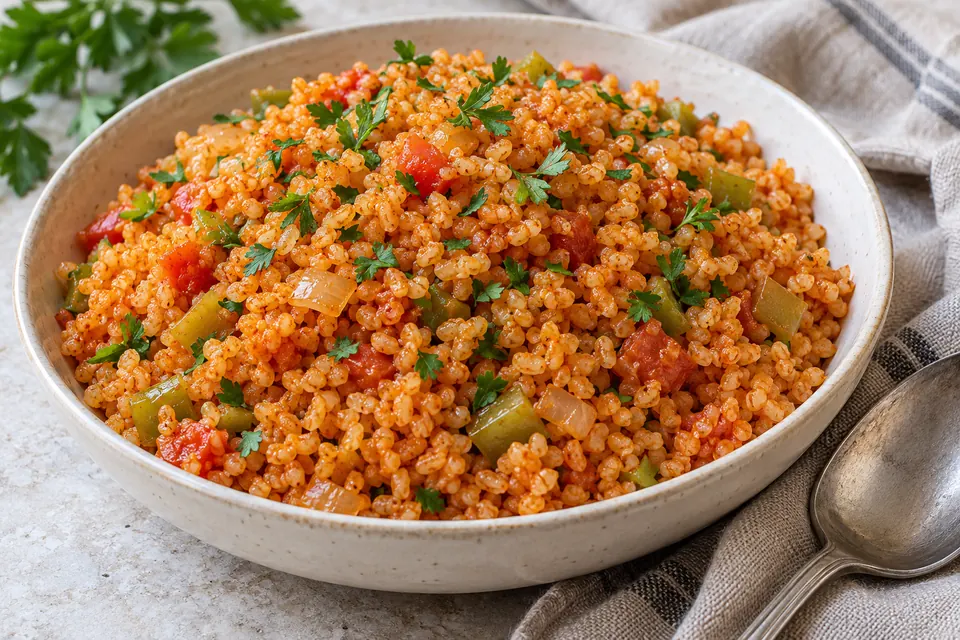
Turkish Bulgur Pilaf — Bulgur Pilavı
Turkish bulgur pilaf with tomatoes and mild green peppers