Blog
Lokum in Turkish Culture: From the Coffee Tray to the Gift Box
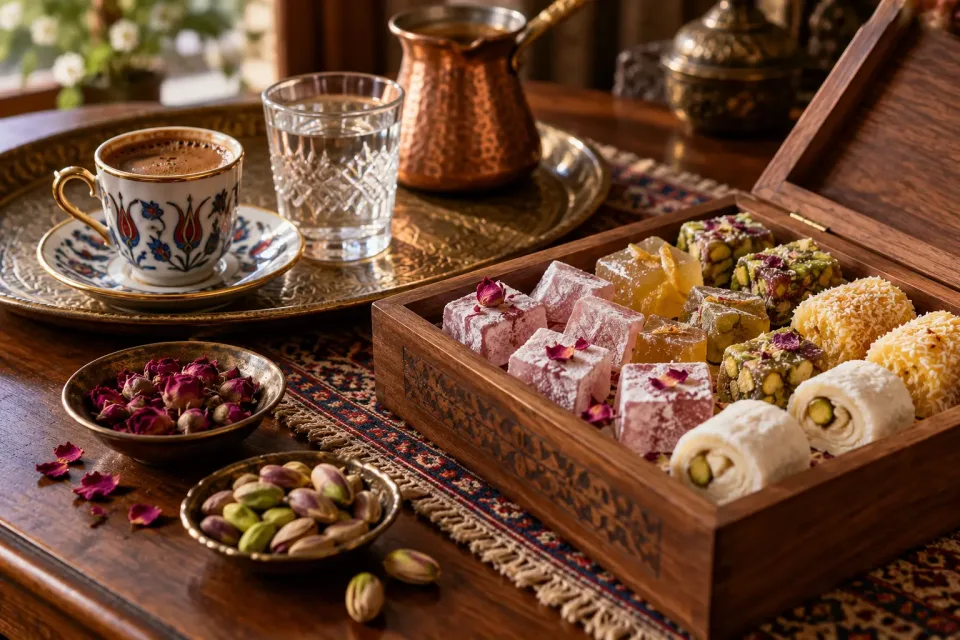
Lokum is often translated as Turkish delight, but the English name captures only the confection, not the social role it plays. A few small pieces may accompany coffee and water offered to a guest; a carefully packed box may travel home as a gift. Its basic structure is simple—sugar, water and starch cooked into a tender gel—yet texture, flavoring, filling and finish vary widely across Türkiye.
A Sweet Built on Texture
Good lokum is neither a hard candy nor an ordinary gummy sweet. Long, controlled cooking transforms sugar syrup and starch into a soft, elastic confection that should yield cleanly when bitten. The mixture is poured into trays or molds, rested, cut or rolled, and then coated so the pieces do not stick. Powdered sugar and starch are familiar finishes, but coconut is also common, especially on rolled varieties.
Flavor can come from rosewater, citrus, mastic, saffron, fruit or nuts. The official Isparta rose-lokum method, for example, combines rosewater and dried rose petals with the cooked base, while beet or red-carrot juice may supply color. The mixture is rested before cutting. This is a useful reminder that rose is one respected expression of lokum, not a definition of the entire category.
Why Lokum Sits Beside Turkish Coffee
The Turkish Ministry of Culture describes water and lokum as traditional companions to Turkish coffee. On a hospitality tray, the glass of water refreshes the palate and the small sweet softens the coffee’s roasted intensity. The portion is intentionally modest: lokum supports the drink and the conversation rather than becoming a large plated dessert.
For a home coffee service, place one or two bite-size pieces beside each cup and offer water separately. A plain or lightly aromatic lokum works well with sweetened coffee, while pistachio or hazelnut varieties can stand up to unsweetened coffee. If several flavors share a dish, keep intensely perfumed rose or mastic pieces apart from delicate citrus so their aromas remain distinct.
Regional Names Describe Real Differences
Safranbolu Lokumu and Afyon Lokumu are both registered geographical indications, but they are not interchangeable labels. The Safranbolu specification describes slow cooking in copper, a long rest and forms that may include hazelnut-coconut rolls or saffron-and-pistachio cubes. Afyon’s specification covers plain, rolled, sultan-style and flavored types; some versions use çöven extract for a pale, airy elasticity, and kaymak may appear as a filling.
Other local styles connect lokum to nearby agricultural traditions. Isparta’s version makes direct use of its rose culture. Bafra Kaymaklı Lokum joins the starch-and-sugar confection with rich kaymak made from buffalo milk associated with the Kızılırmak Delta. These examples show why buying lokum by region, producer and style is more informative than choosing by color alone.
Serving, Buying and Gifting Lokum
Choose pieces that look moist and supple rather than dry or cracked. Ask what is inside: a cube dusted in white may be plain, rose-scented or nut-filled, while a rolled piece may contain pistachio, hazelnut or kaymak. Dairy-filled lokum and plain starch-based lokum do not have identical storage needs, so follow the producer’s label and keep different varieties in their original packaging.
Lokum is also a practical edible souvenir. Official culture pages for Konya and Safranbolu explicitly present it as a gift to take home. For a balanced box, combine one floral flavor, one fruit or citrus flavor and one nut-rich piece. Serve the selection after a meal with Turkish coffee, or make it the quiet final note of a tea table that already includes semolina halva or sütlaç.
Recipes
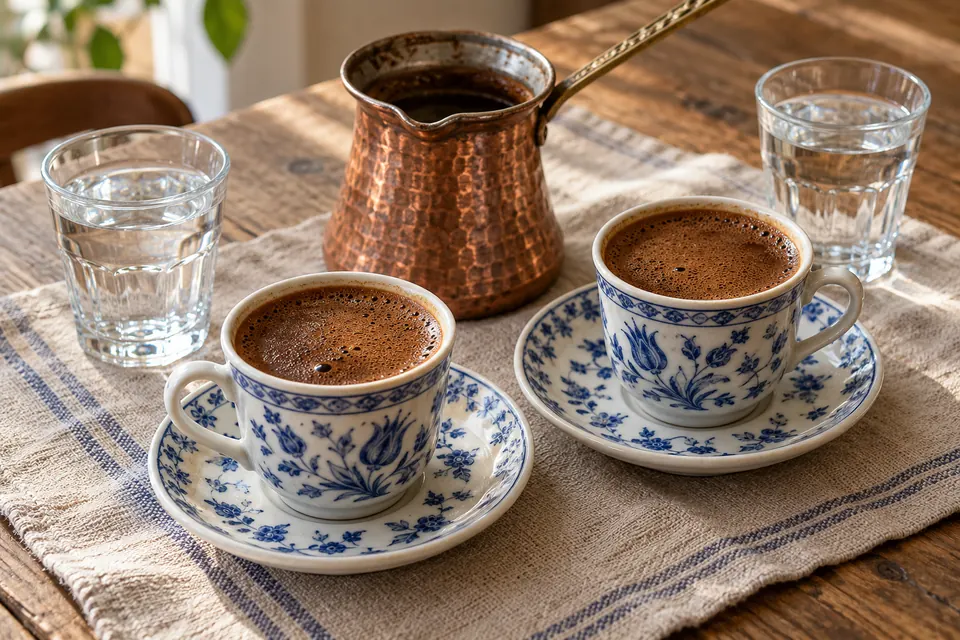
Turkish Coffee Recipe — Türk Kahvesi
Unfiltered Turkish coffee brewed slowly in a cezve
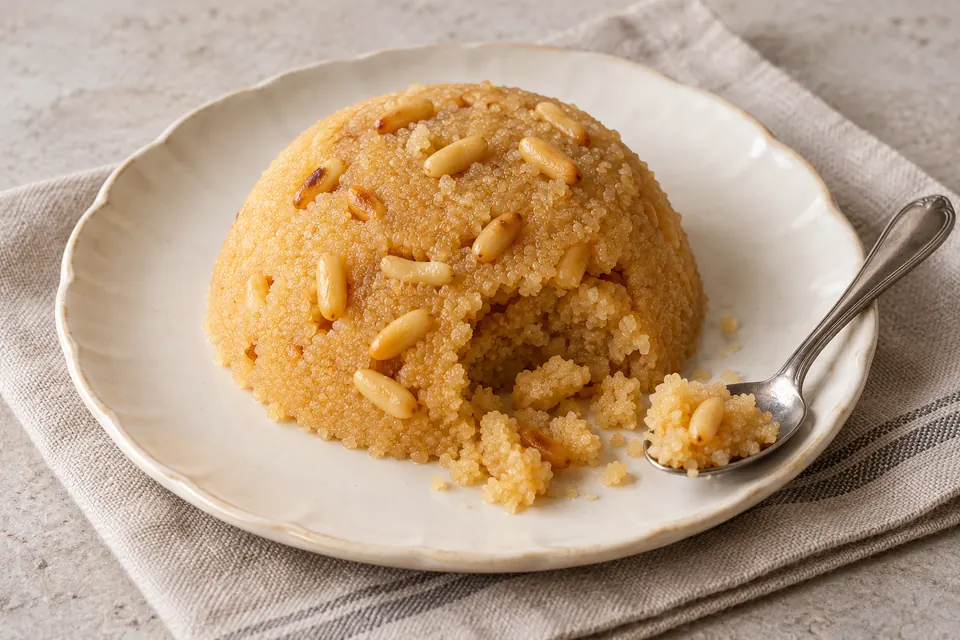
Turkish Semolina Halva — İrmik Helvası
Turkish milk-based semolina halva with pine nuts
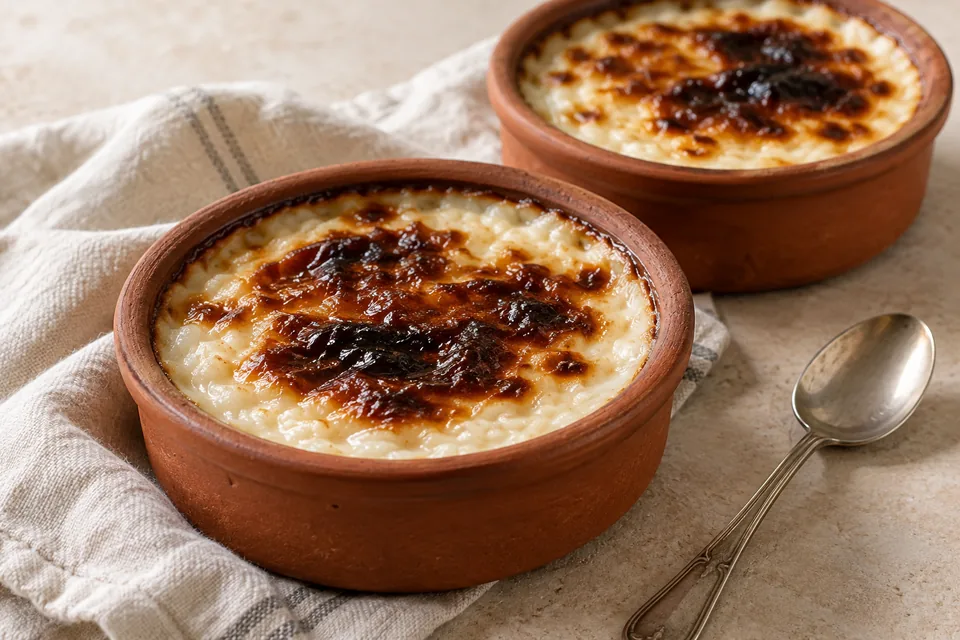
Turkish Baked Rice Pudding Recipe — Fırın Sütlaç
Turkish baked rice pudding