Blog
Köfte Across Türkiye: İnegöl, Akçaabat and Tekirdağ
Köfte is often translated simply as “meatballs,” but the word covers many preparations in Türkiye. A city name can signal the cut and origin of the meat, whether bread or garlic belongs in the mixture, how long it rests, the shape made by hand or mold, and what arrives beside it. İnegöl, Akçaabat and Tekirdağ köfte make a useful comparison because all three are grilled, yet their official and regional records describe clearly different identities.
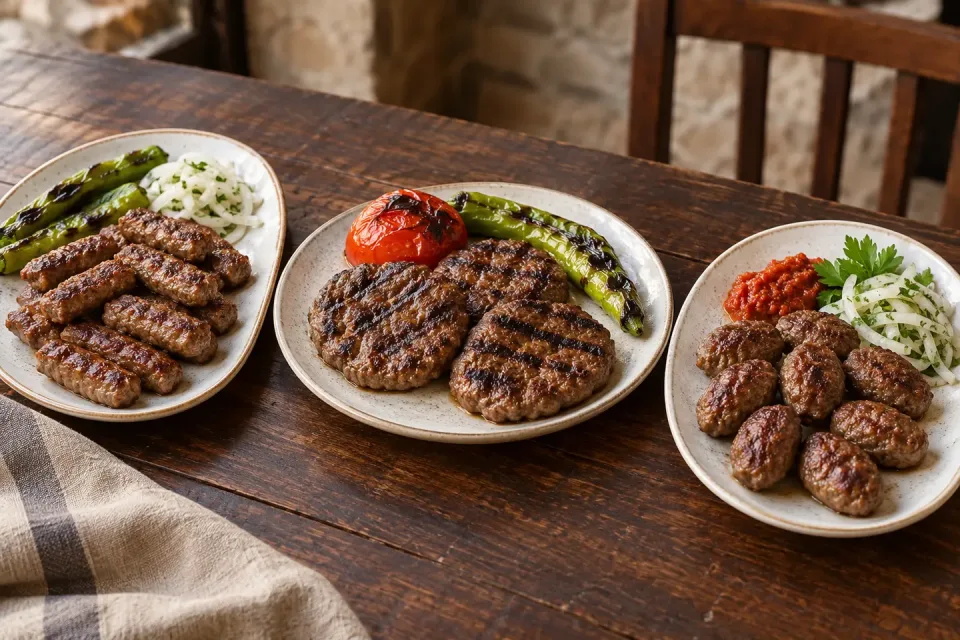
Köfte is a family of dishes, not one fixed formula
The broad term köfte can describe minced-meat mixtures shaped and cooked in many ways, but a regional name narrows the meaning. The differences are not decorative. The proportion of meat and fat, the permitted binders, the grind, resting time and fire all affect texture and flavor. That is why a general home-style Köfte recipe and a registered regional version should not be treated as interchangeable.
Geographical indications add another layer. İnegöl, Akçaabat and Tekirdağ köfte are associated with registered specifications, but a registration does not mean every family or restaurant follows one identical household recipe. Official culture records sometimes present a practical recipe while the geographical-indication document defines the commercial product more precisely. Reading both helps explain why two credible descriptions can differ without making either one a universal formula.
İnegöl keeps the seasoning restrained
The Ministry of Culture’s Bursa record links İnegöl Köftesi with a migration story from the Pazarcık district of Plovdiv in Bulgaria. Its listed recipe combines beef rib, lamb, onion, salt and bicarbonate. The meat is ground, mixed and rested for a day; it is ground again before finely chopped onion is added. That record explicitly leaves out egg and bread, producing a meat-forward style with a springy, even texture.
The registered specification, numbered 78, regulates the mixture and allows only a limited group of additions, including salt, onion, bicarbonate and, in some formulations, bread or breadcrumbs. This is a useful reminder not to reduce İnegöl köfte to a single internet rule. For a practical home version, follow one complete method from start to finish. Our İnegöl Köfte recipe is the regional route; the general Köfte recipe offers a separate everyday comparison.
Akçaabat builds flavor with garlic, bread and fat
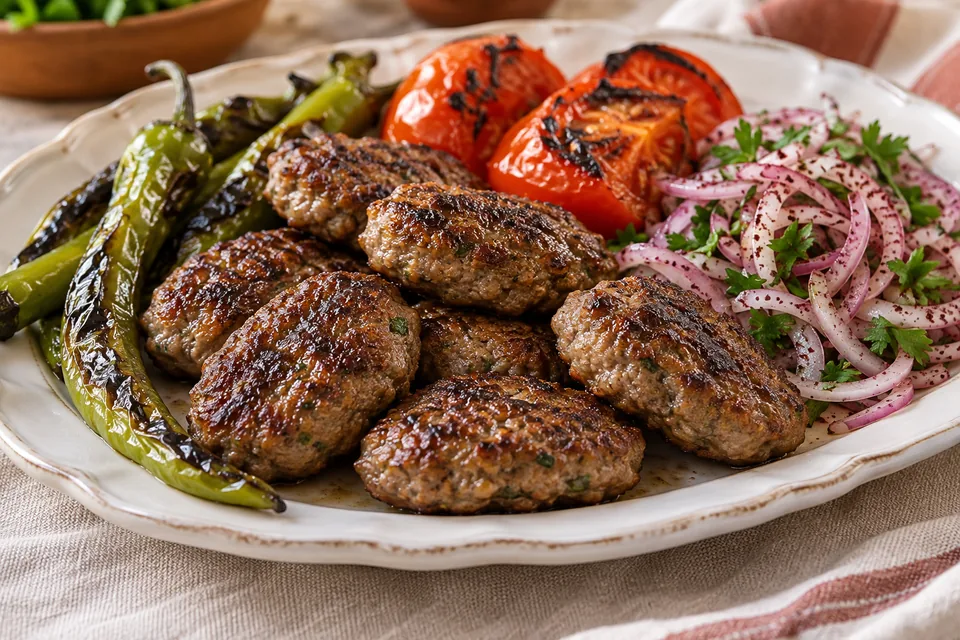
The Trabzon culture record describes Akçaabat Köfte with beef, fresh internal fat, stale bread, garlic and salt. The meat and fat are ground together, the squeezed bread and chopped garlic are mixed in, and the shaped patties benefit from several hours of rest. The patties are broad and flat rather than finger-shaped, then grilled and served with roasted tomato and green pepper.
Akçaabat Köftesi carries geographical-indication registration number 132. The registry emphasizes the connection between the product and cattle raised in the area, as well as the production skill and charcoal cooking. Its listed accompaniments can include onion, potatoes, Piyaz or Bulgur Pilavı. Those sides are useful menu ideas, not a command to place all of them on one plate. A small piyaz and grilled vegetables are enough to make the regional contrast visible.
Tekirdağ adds spice, a long rest and a composed plate
Tekirdağ Köftesi introduces a more noticeable seasoning profile. The provincial recipe combines medium-fat meat with stale bread, onion, a little garlic, cumin, black pepper, red pepper flakes, salt and bicarbonate. The mixture is ground, kneaded, ground again and rested overnight. The geographical-indication record specifies an 18–24 hour rest at 0–4°C, which helps create its homogeneous, elastic structure.
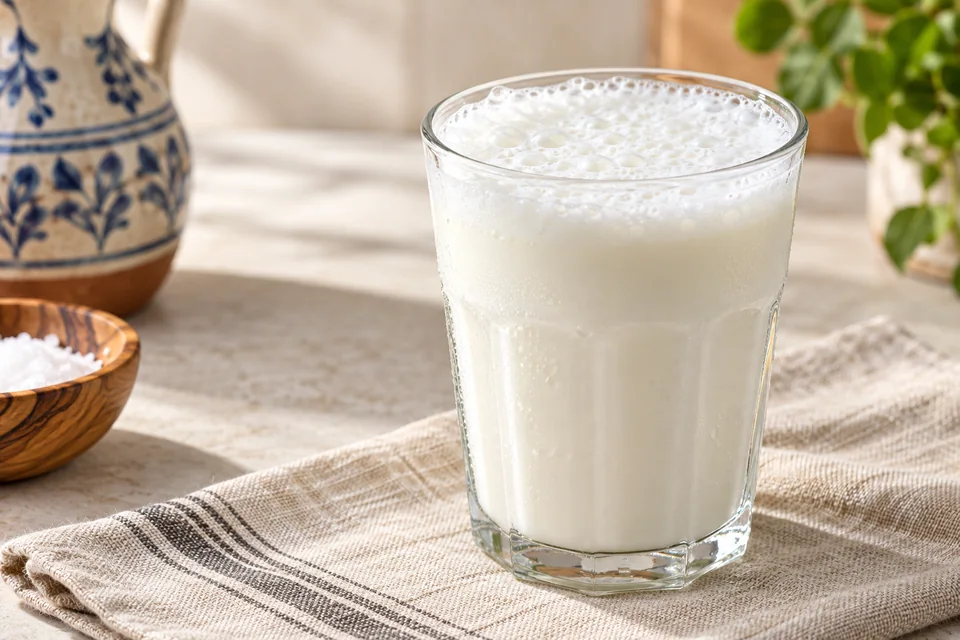
The registered serving is especially composed: small köfte are grilled while being turned, then presented with hot pepper sauce, roasted pepper and tomato, sliced onion and parsley. GoTürkiye also notes ayran as a traditional companion in Tekirdağ. At home, the most useful approach is to choose one regional identity rather than blending all three mixtures. For a tasting table, cook each according to its own recipe, keep the plates separate and let shape, seasoning and accompaniments show why köfte in Türkiye is a category, not one dish.
Recipes
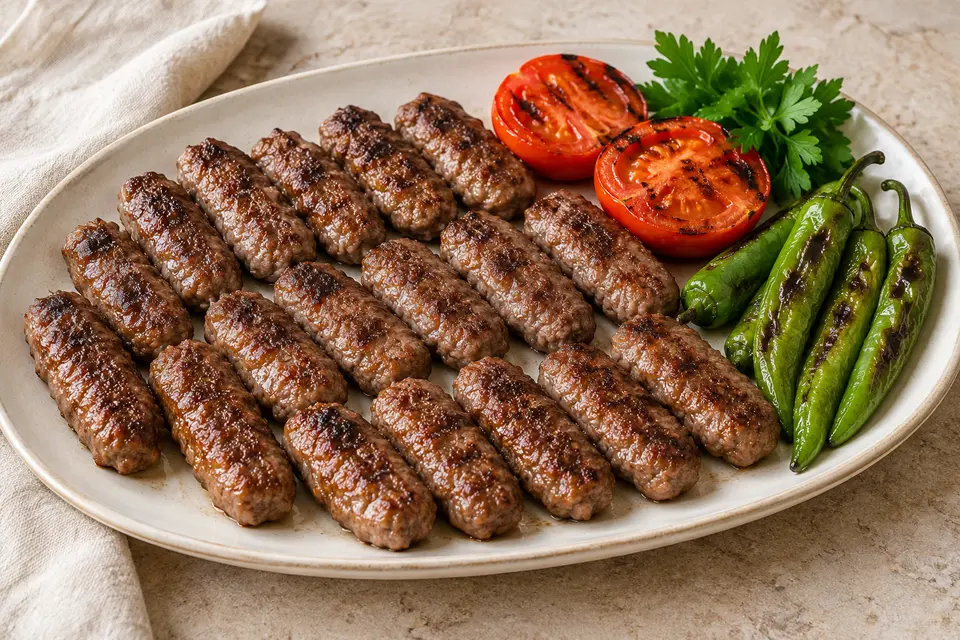
Turkish Grilled Meatballs — İnegöl Köfte
Turkish grilled beef and lamb meatballs
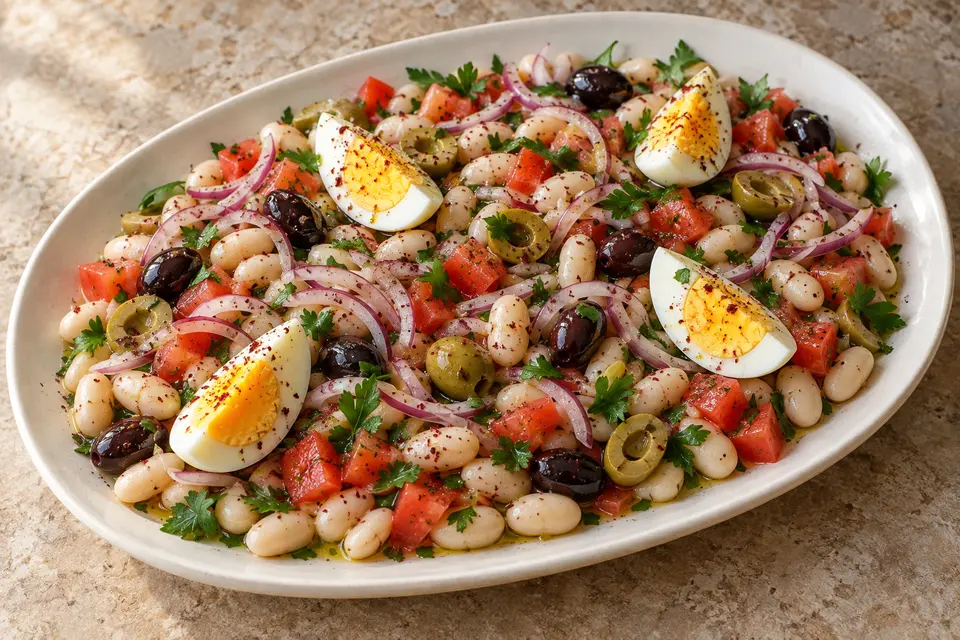
Turkish White Bean Salad — Piyaz
Turkish white bean salad with sumac onion, tomato and parsley
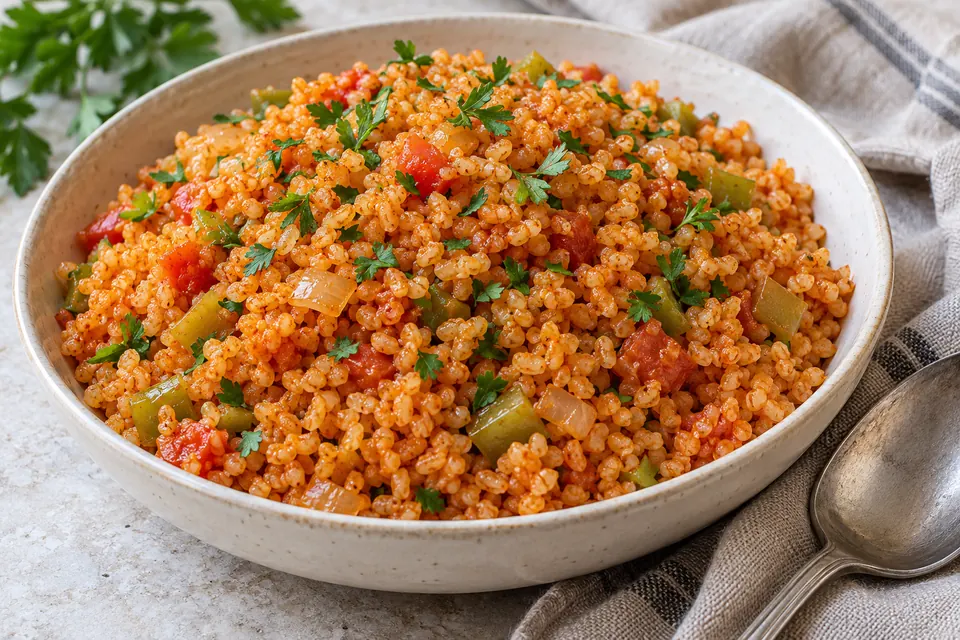
Turkish Bulgur Pilaf — Bulgur Pilavı
Turkish bulgur pilaf with tomatoes and mild green peppers
Turkish Yogurt Drink Recipe — Ayran
A cold, savory Turkish yogurt drink
Turkish Meatballs Recipe — Köfte
Turkish pan-seared meatballs