Blog
Hoşaf and Komposto in Turkish Cuisine: Fruit, Syrup and the Savory Table
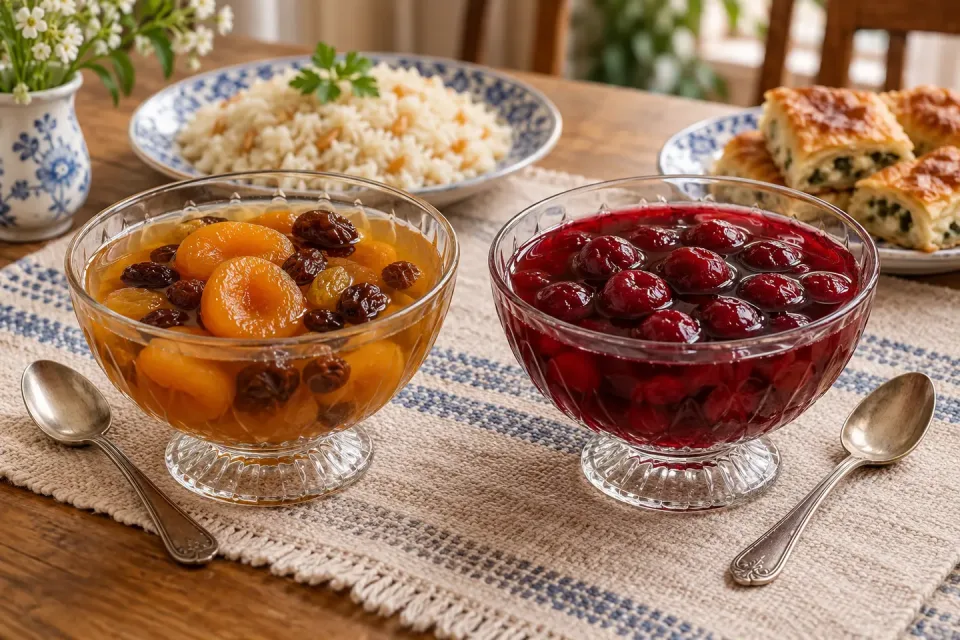
A bowl of fruit floating in cool, lightly sweet liquid can look like dessert, a drink or a side dish all at once. In Turkish cooking, the words hoşaf and komposto cover this familiar part of the table. The fruit may be fresh or dried, the sweetener may be sugar or pekmez, and the bowl may arrive beside rice or pastry rather than after the meal. Regional records also show that the two names overlap more than a simple dictionary rule suggests.
A useful distinction—but not an absolute rule
A common modern explanation says hoşaf is made with dried fruit while komposto uses fresh fruit. That distinction is helpful in the kitchen, but official regional records do not apply it with complete consistency. The Culture Portal records an Isparta cherry preparation made from fresh cherries as Kiraz Kompostosu. Yet an Artvin preparation made from fresh pears, with an optional apple, is named Armut Hoşafı. Both are cooked in sweetened water and served after cooling.
The safest way to understand the names is therefore descriptive rather than rigid. Ask which fruit is used, whether it is fresh or dried, how sweet the liquid is and how the dish is served. A family or region may preserve the name it has long used even when the ingredients challenge a neat division. For English-speaking readers, “fruit compote” can explain the form, but keeping the Turkish name preserves the local identity of the bowl.
Dried fruit connects hoşaf to the winter pantry
Dried-fruit versions make the link with stored produce especially clear. The Ministry of Culture’s Pekmezli Karışık Hoşaf combines dried plum, apple, pear and grapes. The fruit is soaked, cooked until soft and then sweetened with pekmez. The same record says the preparation is commonly made in winter in fruit-growing regions and is also known as Kifaye. Here, drying and grape molasses allow fruit flavors to move beyond the harvest season.
Regional recipes show that the sweetener can change with time and availability. An Adıyaman record for Kayısı Hoşafı says diluted pekmez syrup was used in the past, while granulated sugar became common later. That version combines dried apricots with Besni raisins. In Bitlis, Keysefe Hoşafı uses keysefe—pitted apricots dried in flat pieces—cooked until tender and served cool. These are related methods, not one fixed national formula.
Why a sweet fruit bowl sits beside savory food
Hoşaf and komposto do not have to wait for the dessert course. The Ministry’s entry for the mixed pekmez version specifically notes that it is consumed with pilaf, pies and cookies. At a Turkish table, the cool fruit and liquid can provide a sweet, refreshing contrast to warm rice or pastry. That makes Kuru Kayısı Hoşafı a logical companion to Pirinç Pilavı or Peynirli Tepsi Böreği, rather than a substitute for a baked dessert.
For a practical meal, serve the fruit with enough liquid to make the bowl refreshing but not so much that it becomes an oversized beverage. Give each person a small bowl and spoon. If the pilaf or börek is rich, keep the compote moderately sweet. Taste it cold before serving, because chilling can make sweetness seem less pronounced. Let the fruit remain visible: the point is to eat the softened fruit as well as sip or spoon the syrup.
Choosing and serving a version at home
Start with the fruit you actually have. Dried apricot, raisin, plum, apple and pear belong naturally to pantry-based versions; fresh cherry, sour cherry, apple, pear and quince appear in regional records too. Spices such as clove or cinnamon occur in some local preparations, but they are not mandatory for every bowl. Likewise, pekmez is historically meaningful in certain versions, yet it should not be presented as the only authentic sweetener.
Choose the role before choosing the recipe. With rice or börek, aim for a light syrup and a clean fruit flavor. With cookies, a less sweet bowl may balance the plate. Keep different versions labeled when serving guests, especially if one contains pekmez or added spices. Refrigerate the finished fruit preparation promptly and follow the storage guidance of the specific recipe. The most accurate Turkish table is not the one that forces every bowl into a single definition, but the one that respects its fruit, region and customary name.
Recipes
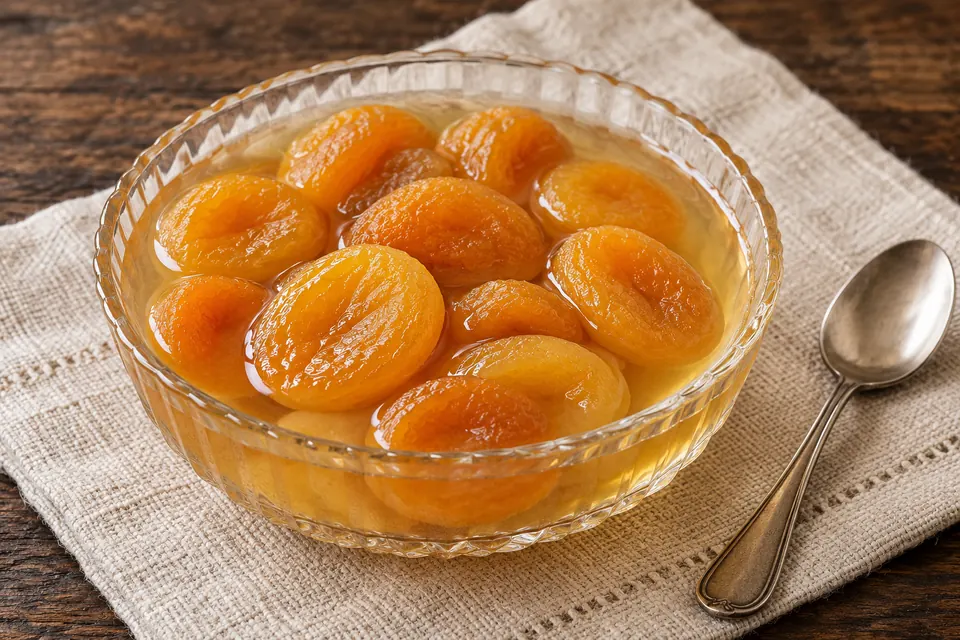
Turkish Dried-Apricot Compote — Kuru Kayısı Hoşafı
Turkish dried-apricot compote served chilled
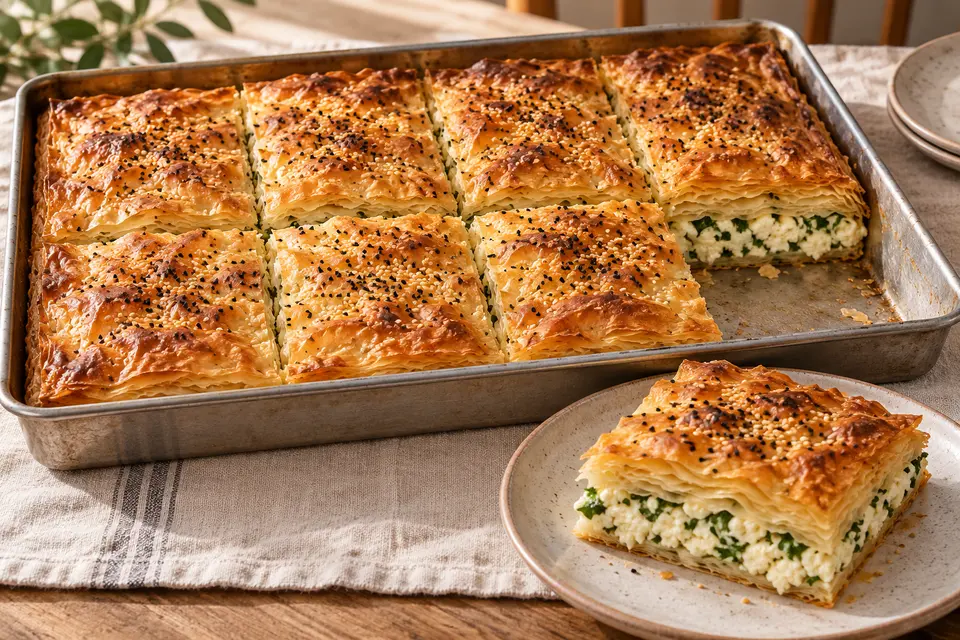
Turkish Cheese Tray Börek — Peynirli Tepsi Böreği
Turkish tray börek with white cheese and parsley
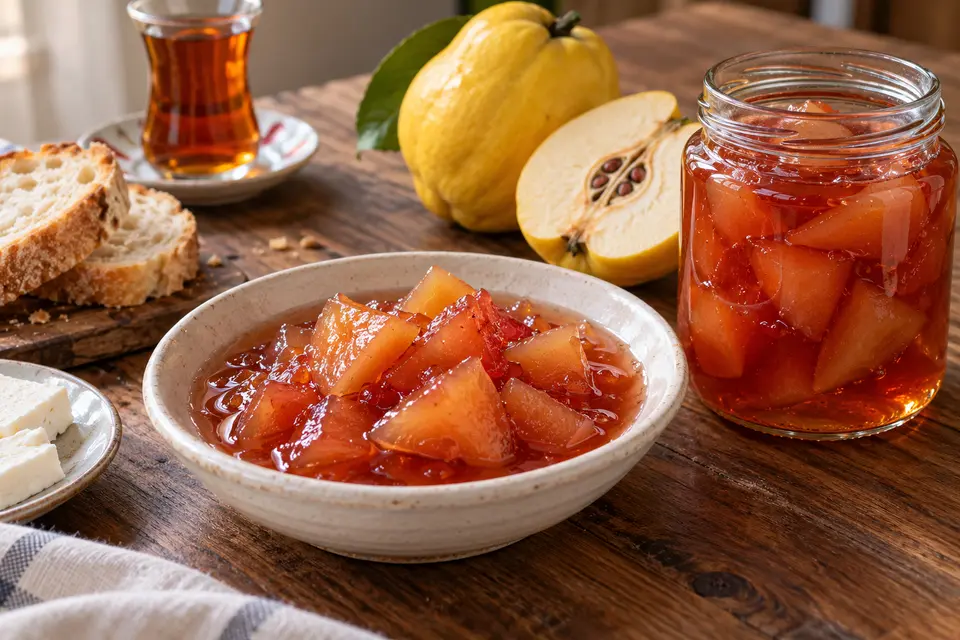
Turkish Quince Preserve — Ayva Reçeli
Turkish quince preserve with lemon
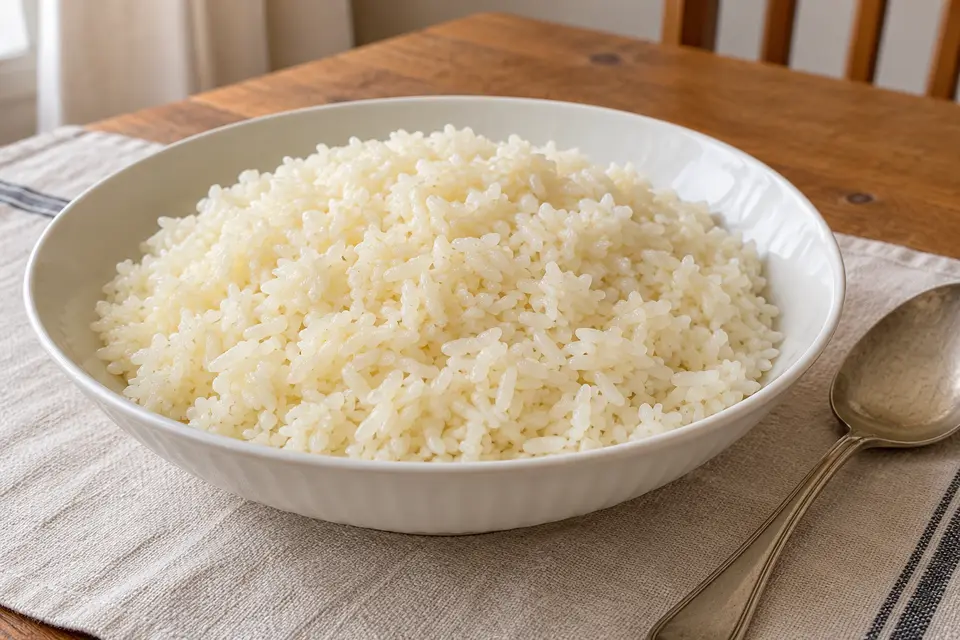
Turkish Buttered Rice Pilaf — Pirinç Pilavı
Turkish buttered rice pilaf with separate, tender grains