Blog
Yogurt at the Turkish Table: From Ayran and Cacık to Soups and Sauces
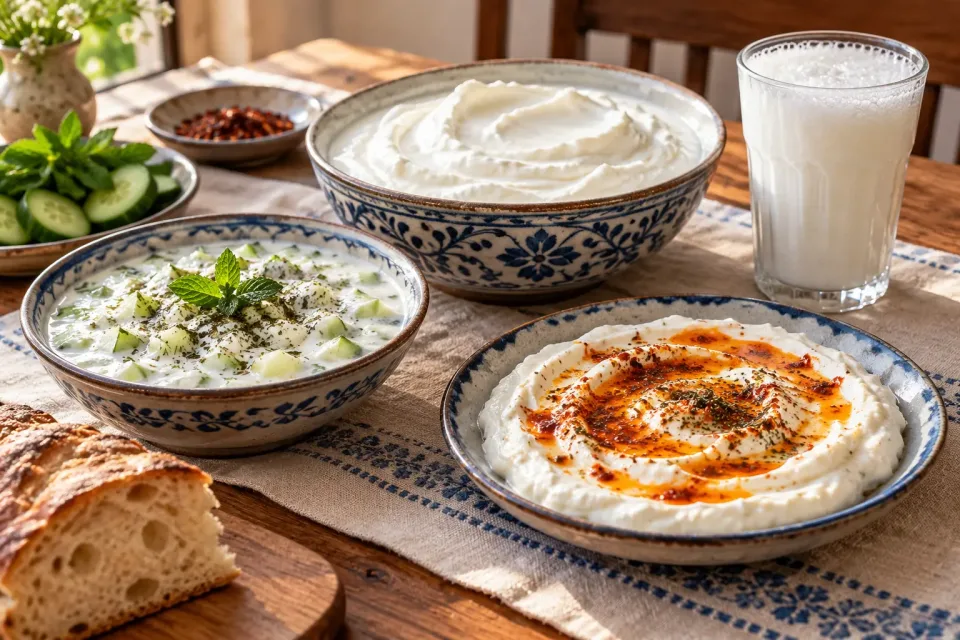
Yogurt does not have only one job on a Turkish table. It can be spooned beside a hot meal, thinned into ayran, mixed with cucumber for cacık, seasoned as a meze, or carefully cooked into soup. These forms share a pleasantly tart base, yet their textures and roles are different. Understanding those differences makes it easier to plan a balanced Turkish menu without treating every yogurt dish as interchangeable.
One ingredient, several places in the meal
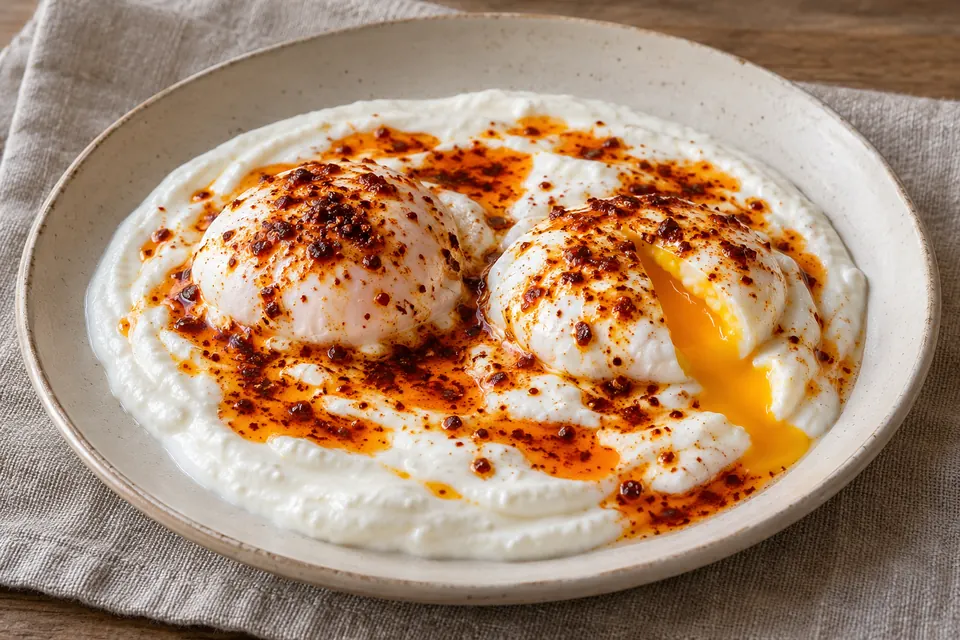
Plain yogurt is often served as a cool counterpoint to warm, savoury food. A spoonful can sit beside rice, bulgur, stuffed vegetables or a stew rather than being mixed into the pot. Garlic yogurt goes further: it becomes a sauce for vegetables, dumplings and eggs. In çılbır, for example, poached eggs rest on seasoned yogurt, so the yogurt is part of the structure of the dish rather than a garnish.
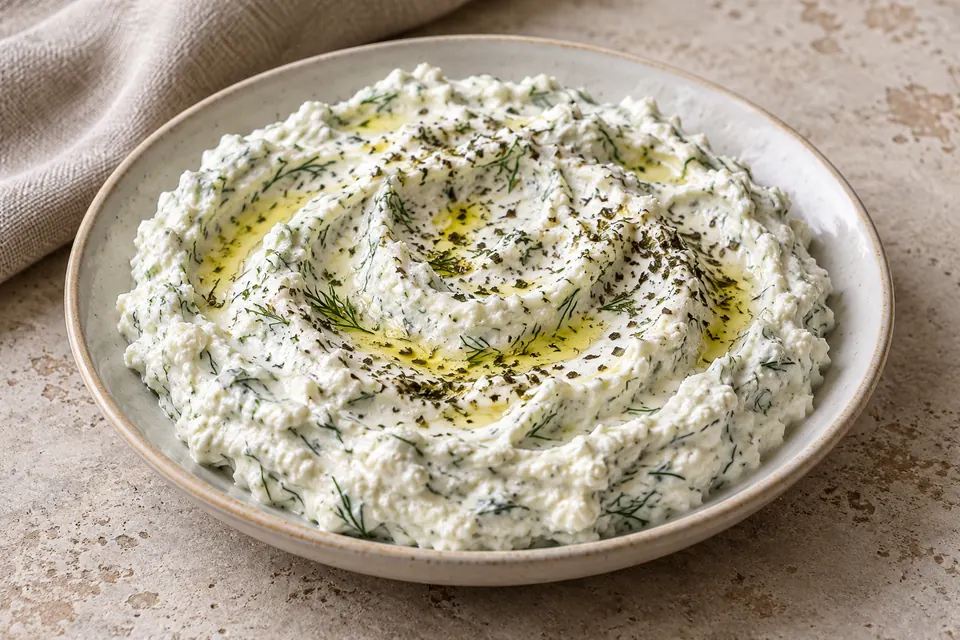
Thickness matters. Strained yogurt is useful when a preparation must hold its shape, as in haydari, while ordinary yogurt is easier to loosen for a pourable sauce. The choice is practical, not a strict hierarchy. Households and regions vary, and the same name may appear with a thicker or thinner consistency. Start with the texture required by the dish, then season gradually.
Cold, spoonable or drinkable
Cacık combines yogurt with cucumber and usually garlic and herbs. It may arrive thick enough to share as part of a meze spread or thin enough to eat with a spoon beside a meal. The Ministry of Culture and Tourism's regional archive also records Hakkari kenger cacığı, made with strained yogurt and cooked kenger, green pepper and parsley. That example shows why cacık should be understood as a family of local preparations rather than one fixed formula.
Ayran takes yogurt in another direction. Yogurt is diluted with water, salted and whisked until lightly frothy. It is a drink, not simply a thinner bowl of cacık: cucumber and garlic are absent, and the aim is a smooth, refreshing consistency. Salt levels differ, so it is sensible to taste before adding more. Serve ayran cold with grilled meat, börek, rice or a simple home-style lunch.
Cooking yogurt without losing its smooth texture
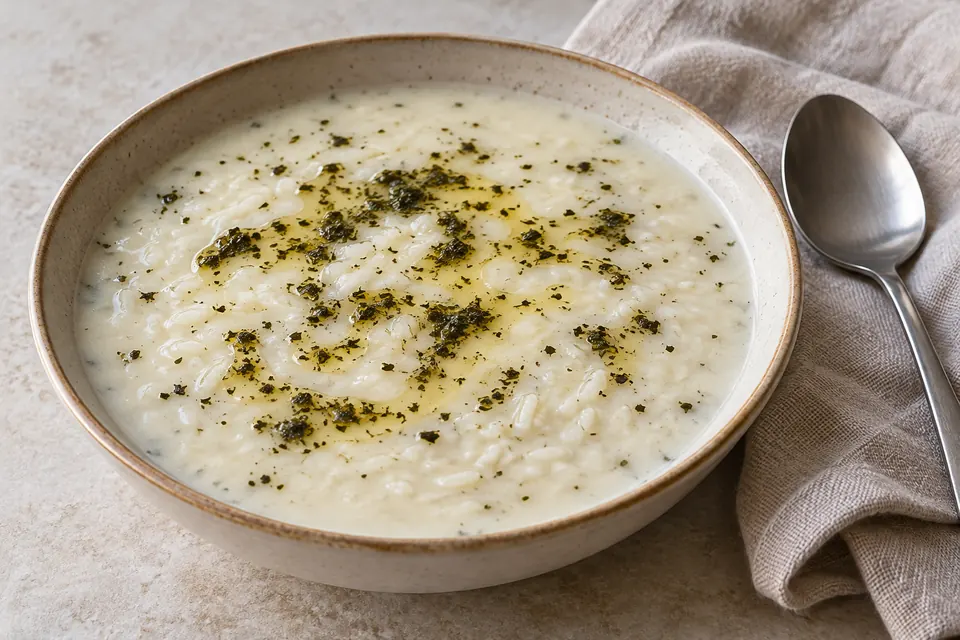
Warm yogurt dishes require more control than cold ones because sudden heat can make the mixture separate. In yayla çorbası, yogurt is commonly combined with ingredients such as egg and flour before it joins the hot liquid. A little hot broth is stirred into the yogurt mixture first; this gradual tempering narrows the temperature difference. The mixture then goes into the pot slowly while being stirred.
Keep the heat moderate and follow the recipe instead of boiling aggressively. A separated soup may still be edible, but its texture will not be as smooth. Regional soups are not all constructed in exactly the same way. GoTürkiye's Van guide, for example, describes ayran aşı with diluted yogurt, egg and flour, followed by zucchini, evelik and coriander. The technique and additions belong to that regional preparation and should not be generalized to every yogurt soup.
Building a balanced menu around yogurt
Choose yogurt dishes by function. If ayran is the drink, the table may not also need several loose yogurt sides. With a spicy or grilled main course, cool cacık can provide contrast. For a meze table, thicker haydari is easier to scoop with bread. When yogurt soup opens the meal, a fresh salad may create more variety than another yogurt-based starter.
Check the complete menu for dairy before serving guests, and ask about allergies or dietary needs. Traditional yogurt is a milk product; changing it to a plant-based alternative may alter acidity, thickness and behaviour under heat. Use a tested recipe for major substitutions. Above all, treat yogurt as a versatile cooking ingredient: its form, seasoning and temperature determine what it contributes to the Turkish table.
Recipes
Turkish Yogurt and Herb Dip — Haydari
Thick Turkish yogurt and white-cheese meze with dill and mint
Turkish Poached Eggs — Çılbır
Turkish poached eggs with garlic yogurt and pul biber butter
Turkish Yogurt Soup — Yayla Çorbası
Turkish yogurt soup with rice and dried mint butter
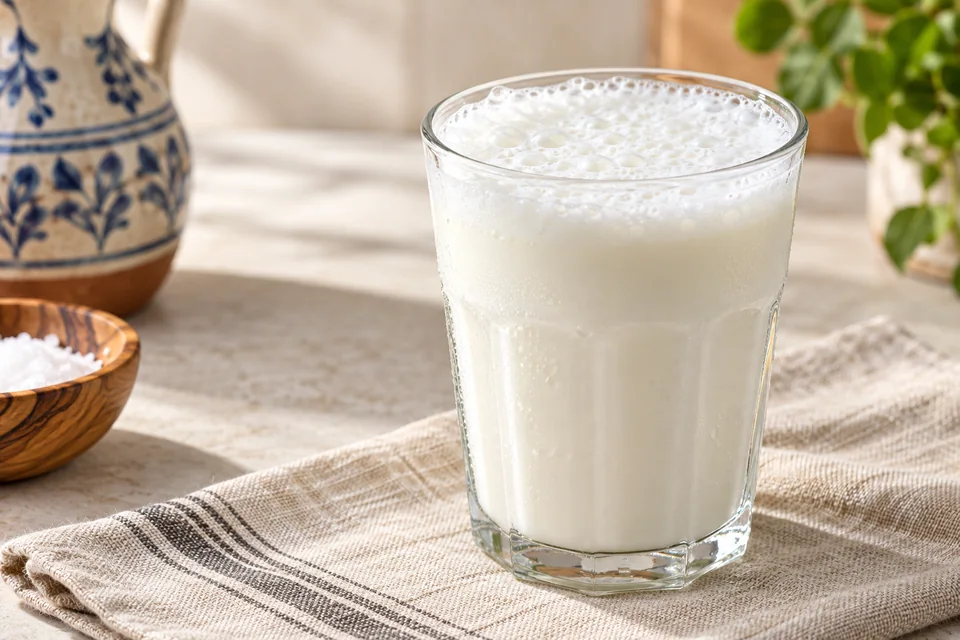
Turkish Yogurt Drink Recipe — Ayran
A cold, savory Turkish yogurt drink
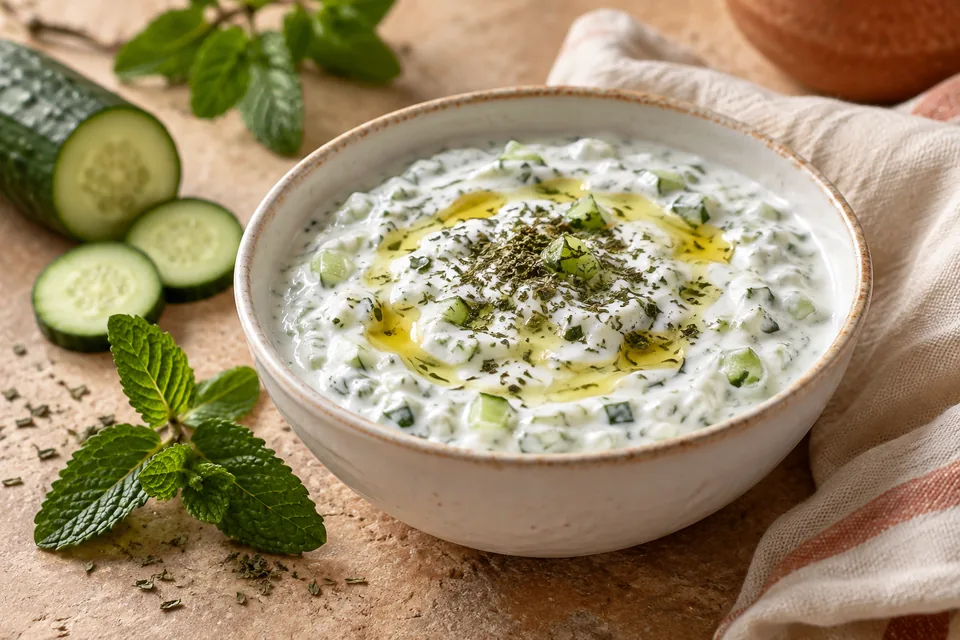
Turkish Cucumber Yogurt Dip Recipe — Cacık
Cooling cucumber & yogurt with mint