Blog
Tahin in Turkish Cooking: Roast, Bread and Savory Sauce
A jar of tahin can lead toward a sweet bakery counter or a savory bean lunch. That flexibility is part of its interest in Turkish cooking. Rather than treating sesame paste as one uniform flavor, it helps to look at how a particular place prepares it and what a particular dish asks it to do. Fethiye, Bursa and Antalya offer three useful examples: a distinctive roasted product, an open sweet bread and a generous sauce.
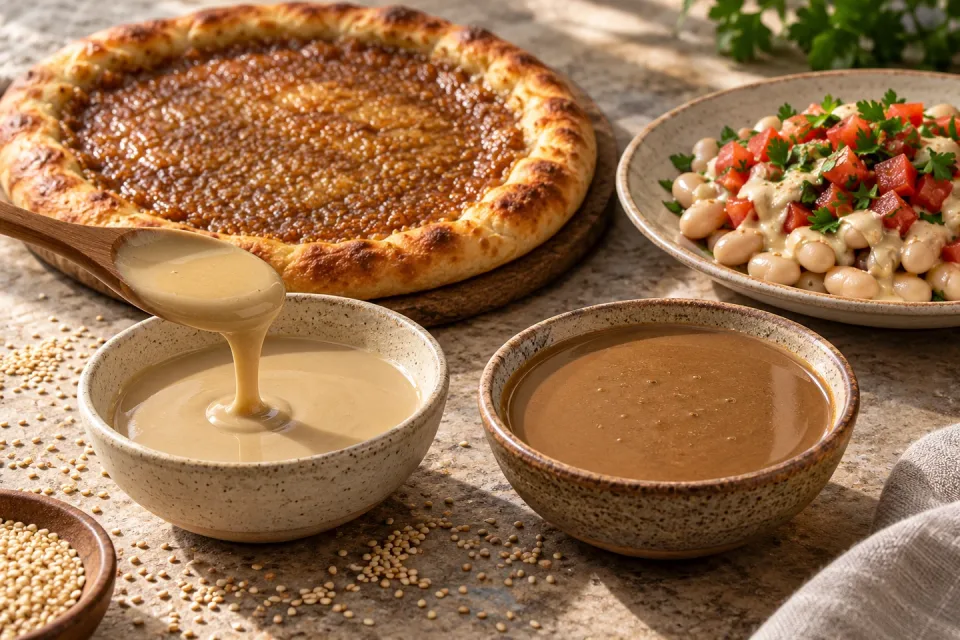
Fethiye: a place-specific roast
The Culture Portal describes Fethiye Tahini as a brown, oily paste made with light-colored golden sesame grown in Fethiye and Seydikemer. Double roasting is one of its defining features. Its geographical indication therefore refers to more than a generic jar of sesame paste: the seeds, the named growing area and the production method belong together. The same description records a change from water-powered mills to electrically operated machinery.
For a home cook, this is a useful reason to read the jar before deciding how to use it. A pale paste and a deeply roasted brown paste should not be assumed to taste identical. Color alone, however, cannot prove that a product is Fethiye Tahini. Treat the protected name as a specific product identity, and describe an ordinary dark tahin by its own label rather than borrowing a regional name.
Bursa: tahin held inside a bread rim
Bursa's tahinli pide gives sesame paste a different job. In the provincial Culture Portal version, a soft yeasted dough is shaped into individual rounds with folded edges. The middle receives tahin mixed with sugar and water, while the rim is brushed with egg yolk. Baking turns these separate elements into a sweet bread with a browned border and a concentrated sesame center.
This is an important distinction when reading a bakery menu. Pide does not automatically mean a savory, meat-topped bread, and tahinli does not identify one universal shape. Here the surrounding dough holds the filling in place. Thinking about that structure makes the name easier to understand than translating it simply as sesame bread, which might suggest only seeds scattered on the outside.
Antalya: sesame paste becomes a savory sauce
In Antalya piyazı, tahin joins garlic, lemon and vinegar in a tarator sauce poured over cooked small beans. The official product description treats the result as a bean dish eaten as a main course locally, rather than assuming the role of a small side salad. Tomato and parsley finish the plate; onion and boiled egg are listed as optional.
Even this apparently precise dish allows a documented difference in practice. Some piyaz makers incorporate a little cooked bean into the sauce, while others leave it out because it makes the dressing denser. The shared identity lies in the whole preparation, not in a claim that every cook must use exactly the same thickness. Nor should every white-bean piyaz elsewhere be presumed to contain tahin.
Reading the table through the ingredient
These examples suggest a practical way to explore tahin without turning dinner into a tasting marathon. Choose one setting: a Bursa-style sweet bread with coffee, or a savory bean plate with plain bread. Let the contrast between roasted sesame, sweetness and acidity guide the rest of the meal. The linked bean-salad recipe is a starting point for comparison; check its own ingredients rather than treating it automatically as the Antalya specialty.
Keep the terms separate as you shop and cook. Sesame seeds on a loaf, plain tahin in a bowl and a prepared tahin sauce are related but different things. A finished bread or dressing also contains ingredients beyond the paste itself. Reading those details preserves the character of the regional example and makes the next purchase, menu choice or cooking project more deliberate.
Recipes
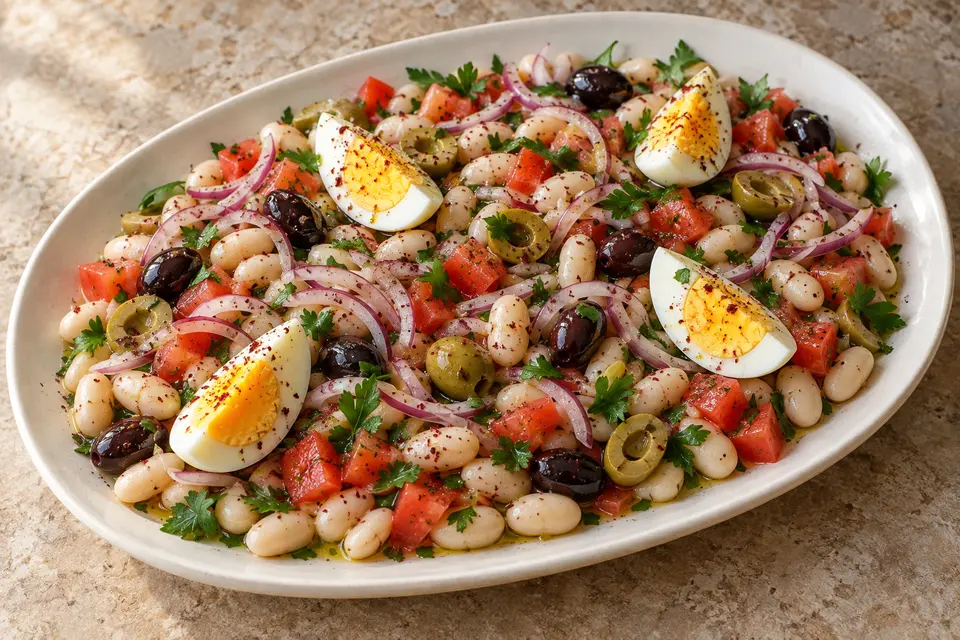
Turkish White Bean Salad — Piyaz
Turkish white bean salad with sumac onion, tomato and parsley
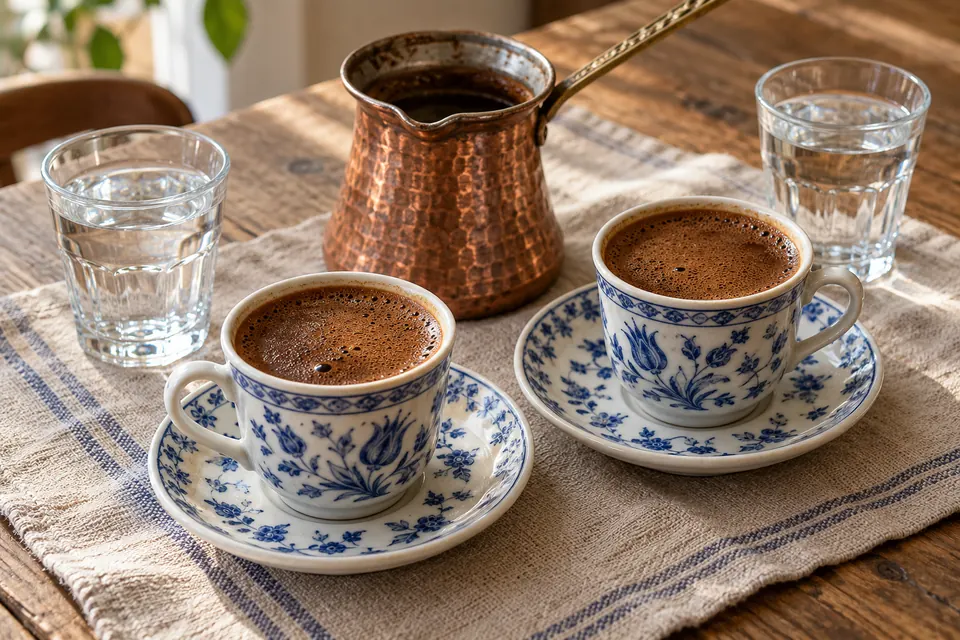
Turkish Coffee Recipe — Türk Kahvesi
Unfiltered Turkish coffee brewed slowly in a cezve
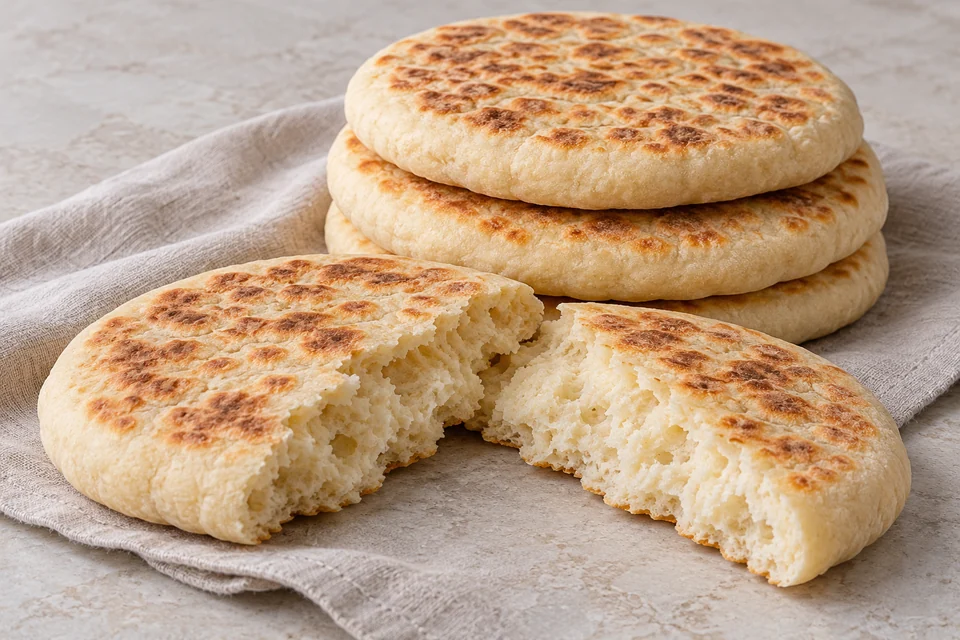
Turkish Flatbread Recipe — Bazlama
Soft Turkish skillet flatbread