Blog
Şerbet at the Turkish Table: Purple Basil and Regional Traditions
An aromatic drink can give a Turkish menu a clear point of focus without adding another dish to cook. Reyhan şerbeti, made with basil, offers an inviting place to begin. Its vivid color draws attention, but its ingredients, regional context and place beside food tell a more useful story than color alone.
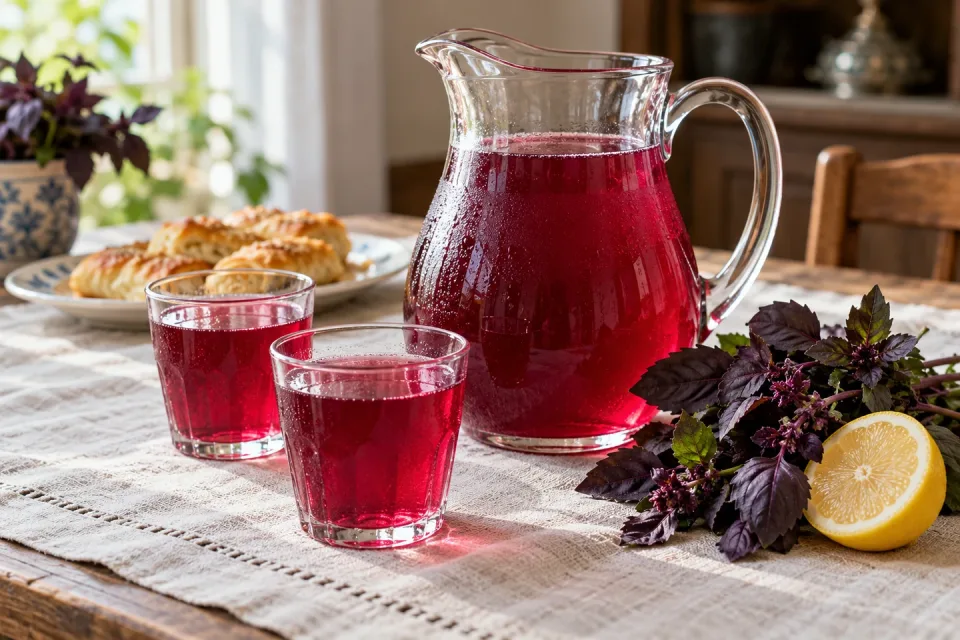
Begin with the drink on the menu
GoTürkiye presents şerbet among the drinks enjoyed on hot summer days. For a reader planning a meal, the useful starting point is the word’s context: here it identifies a beverage poured into a glass. The purple basil version linked below is a complete drink recipe, with its own quantities and preparation instructions.
Choose the drink before shopping for the rest of the menu. Read its ingredient list alongside the food recipes, count the portions and check which equipment each needs. A pitcher that looks generous in a photograph may not serve every guest. Water should also be available so the aromatic drink remains a choice rather than the only option.
A wider family of flavors
The Ministry of Culture and Tourism’s beverage overview places rose syrup, sumac sherbet and tamarind sherbet within a broader Ottoman-influenced drinks culture. These examples show a range of floral, tart and fruit-based directions; they do not establish a single formula for every şerbet.
Use that variety as a reason to describe the actual flavor when serving. Tell guests that this pitcher contains purple basil and the ingredients in the selected recipe. A familiar pink or red color does not identify a drink reliably. Avoid promising a particular sweetness or spice level until you have followed and tasted your chosen preparation.
Konya and Arapgir offer different local frames
The official Konya Reyhan Şerbeti specification describes water, sugar, basil, citric acid and lemon peel, followed by cooling and straining. Arapgir Municipality, meanwhile, highlights its purple basil sherbet in the context of Ramadan tables. Together, these records show more than one local setting for basil-based şerbet.
Neither example requires every home version to be presented as the same regional product. If you change ingredients, describe the change plainly. A household adaptation can be useful without claiming to reproduce a registered local specification. Regional names carry information; keep them attached to the preparation they actually describe.
Pair one pitcher with a manageable spread
For a small gathering, consider reyhan şerbeti with cheese pastry rolls and lentil patties. This is a suggested home menu, not a claim that the combination is a universal Turkish custom. The rolls supply a crisp element, while the patties bring a different texture. Use the linked recipes to plan quantities and decide whether this is a snack or the beginning of a larger meal.
Keep the serving arrangement simple: glasses beside the pitcher, separate utensils for shared dishes and enough space for guests to set down their plates. Check dietary requirements against the complete recipes. Cheese pastry contains dairy and wheat; lentil patties commonly include bulgur. The drink does not make the rest of the menu suitable for every guest.
Let aroma lead the presentation
Follow the drink recipe’s cooling and storage guidance, and taste it at the serving temperature before guests arrive. Have the glasses ready so there is no need to finish several tasks at once. Fresh basil and lemon beside the pitcher can explain the flavor visually, but decorative ingredients should never replace a clear description.
A short introduction is enough: name the drink, explain the basil and point out any adaptation. There is no need to invent a palace origin or a family story to make the glass interesting. A carefully described şerbet can connect regional food culture with an achievable meal at home.
Recipes
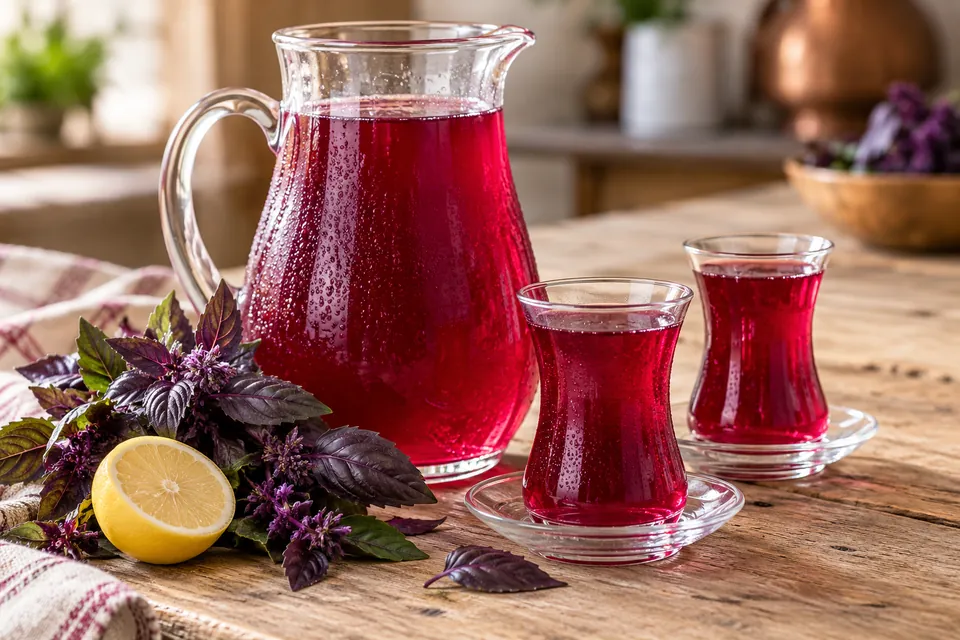
Reyhan Şerbeti — Turkish Purple Basil Sherbet
Turkish purple basil sherbet infused with lemon
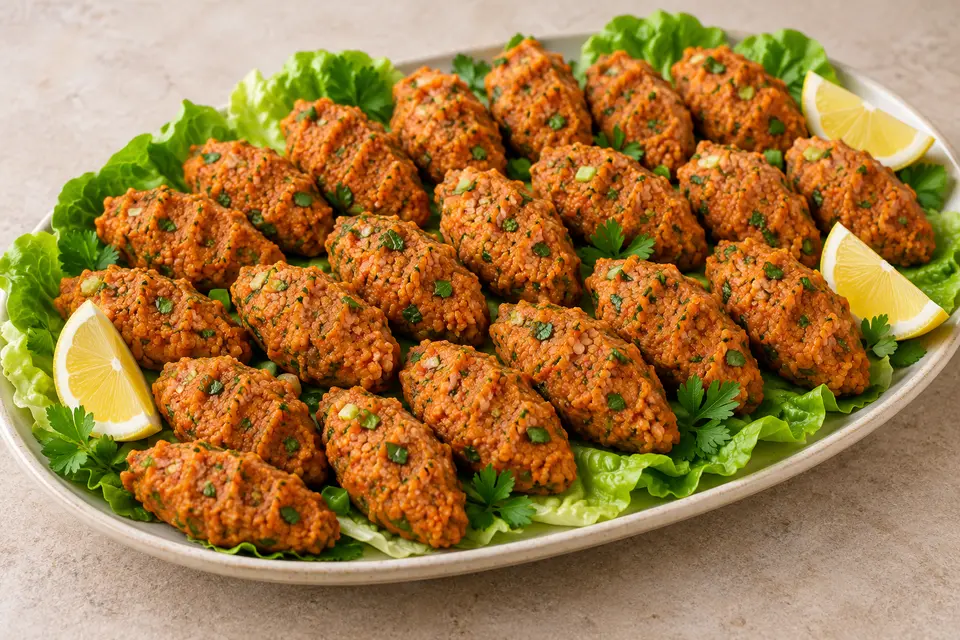
Turkish Lentil Patties — Mercimek Köftesi
Turkish red lentil and bulgur patties with fresh herbs
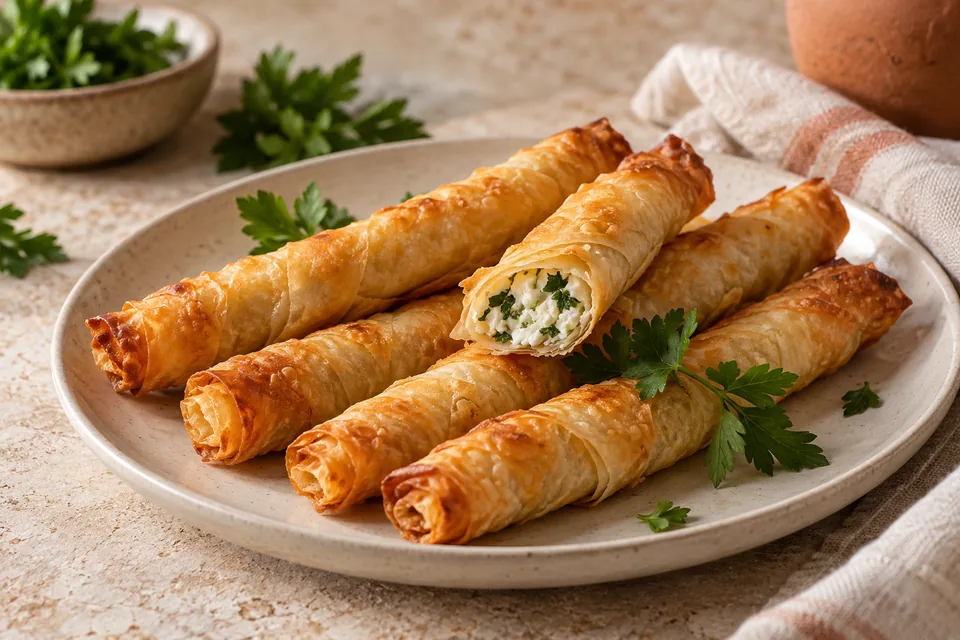
Turkish Cheese Rolls Recipe — Sigara Böreği
Crisp cheese & parsley pastry rolls