Blog
Salep in Turkish Winter Culture: İstanbul, Bucak and the Cup
Salep turns a small cup into a winter pause. Pale, warm and softly thick, it is familiar in Turkish food culture as a milk drink finished with cinnamon. The name also refers to the orchid-tuber powder used to make it, so understanding salep means looking beyond the café cup. İstanbul offers one setting for drinking it; Bucak supplies a distinct regional product story; cultivation raises questions that matter when choosing what to buy.
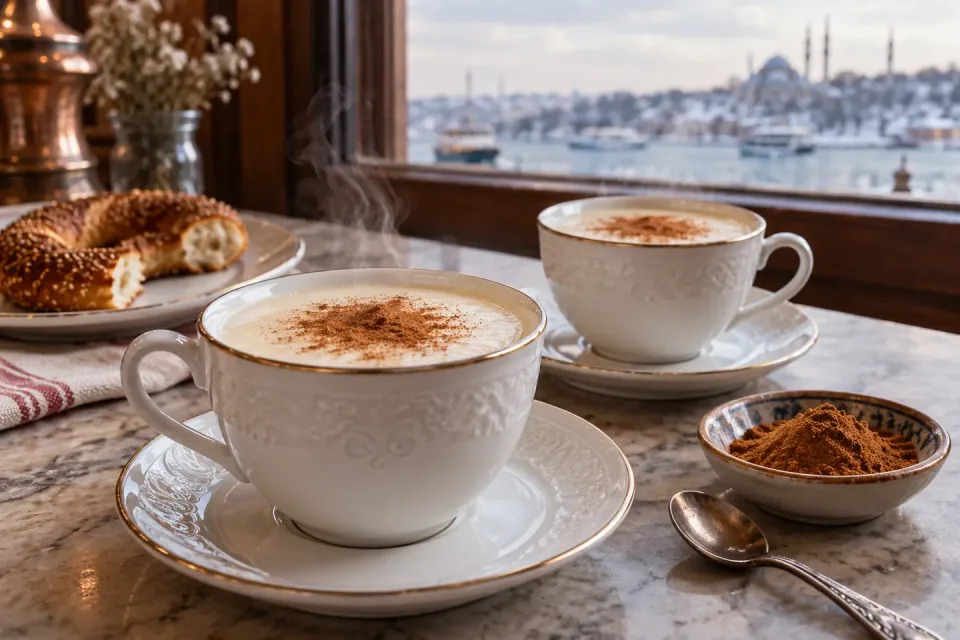
İstanbul: warmth, cinnamon and a place to linger
GoTürkiye places salep among İstanbul’s characteristic winter drinks and connects its street-vendor history with the Ottoman period. That is useful cultural context, without requiring a precise invention date or a single birthplace. The familiar contemporary cup combines milk, sugar and salep powder, with cinnamon scattered over the surface.
The same guide suggests Bosphorus neighbourhoods such as Üsküdar and Ortaköy as settings for enjoying the drink. At home, the transferable idea is simpler than recreating a city view: give the drink its own moment. Serve a modest cup, let it cool to a comfortable drinking temperature and notice the texture before adding more cinnamon. It is a slow sip rather than a hurried glass of cold milk.
Bucak: an ingredient with a regional identity
The Culture Portal describes Bucak Salebi, from Burdur, as dried and milled terrestrial-orchid tubers, packaged as a powder for drinks and ice cream. It records geographical-indication registration in 2021. The regional name therefore identifies a specific product and production tradition, not merely every sweet drink sold under the word salep.
Its published preparation illustrates why powder and finished beverage are different things: the powder is combined with sugar, added gradually to milk and cooked gently until thick. The drink may be served plain or with cinnamon. This cultural guide is not a universal formula; follow the instructions for the particular product you have. A ready-made drink mix and a concentrated ingredient cannot be assumed to behave identically by the spoonful.
The orchid behind the powder
Salep’s botanical source deserves attention alongside its flavour. Kastamonu’s agriculture directorate describes a field-cultivation project intended to reduce pressure from collection in the wild. A further official notice issued in October 2026 explains supervised food-use cultivation and documentation of planting material. Together, these accounts show that the ingredient has an agricultural future as well as a traditional image.
For a household shopper, a sensible response is to ask a supplier about traceable cultivated sourcing and to read the ingredient list. Do not dig up wild orchids or treat an unlabelled powder as proof of authenticity. A regional name alone does not establish a particular packet’s sourcing. This is a buying principle, not a claim that a café’s drink has been independently certified sustainable.
A restrained salep table at home
Choose a labelled food product, check its milk and other allergen information, and follow its preparation and storage directions. Milk is part of the familiar version described here; a plant-based adaptation should be identified as an adaptation. If a product uses other thickeners, its label can explain the texture more reliably than the name on the front.
Keep accompaniments small. A piece of simit offers a savoury, sesame-coated contrast; a cheese poğaça can make the break more substantial. These are practical menu suggestions, not fixed salep rituals. The related recipes let you build that table without adding another very sweet dessert automatically. Put cinnamon on the side, offer teaspoons and allow guests to choose their own finishing touch. The pleasure lies in a warm cup, a clear ingredient story and time to enjoy both.
Recipes
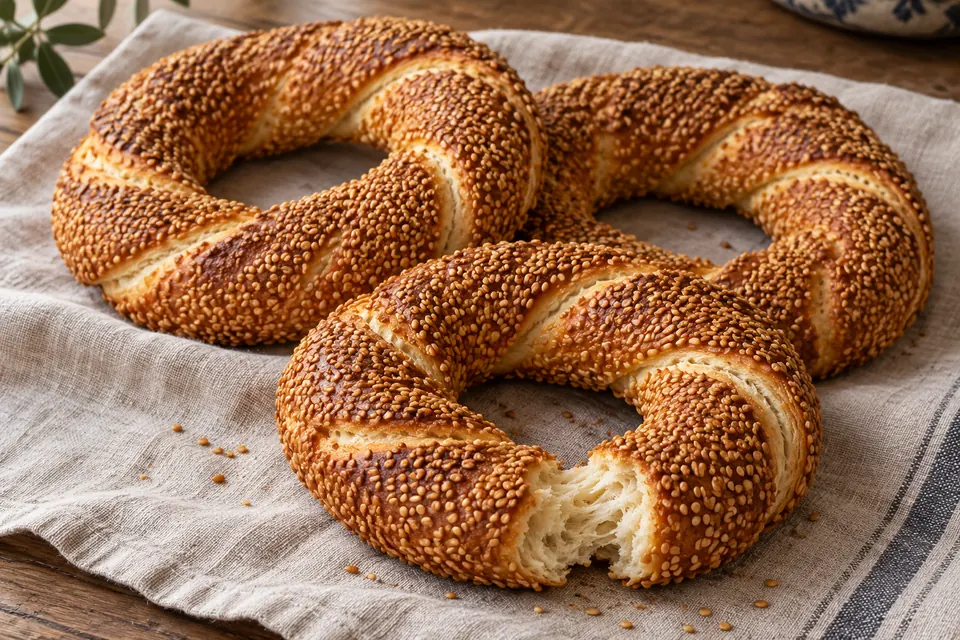
Turkish Sesame Bread Rings — Simit
Turkish twisted bread rings with grape molasses and sesame
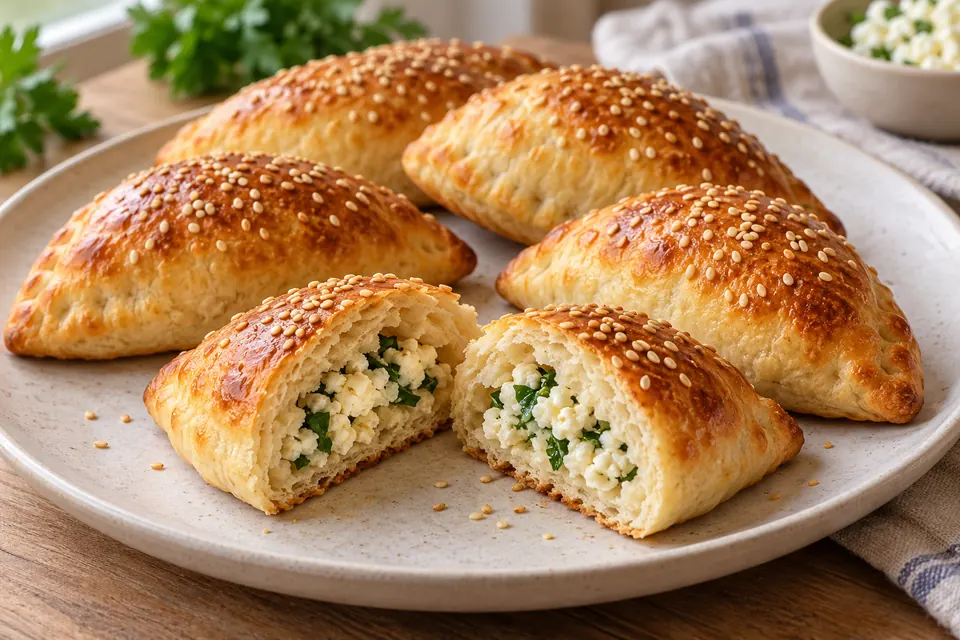
Turkish Cheese Pastries — Peynirli Poğaça
Soft Turkish yeast-raised pastries with white cheese and parsley