Blog
Saffron and Zerde: Colour, Place and Celebration in Turkish Cooking
A bowl of golden zerde invites a closer look at Turkish food culture. Its colour may suggest saffron, but the name alone does not identify every ingredient or serving custom. Following the dessert from Safranbolu to Konya and Şanlıurfa reveals why a regional description matters. The useful questions are simple: what colours the rice, how is it served, and what occasion brings it to the table?
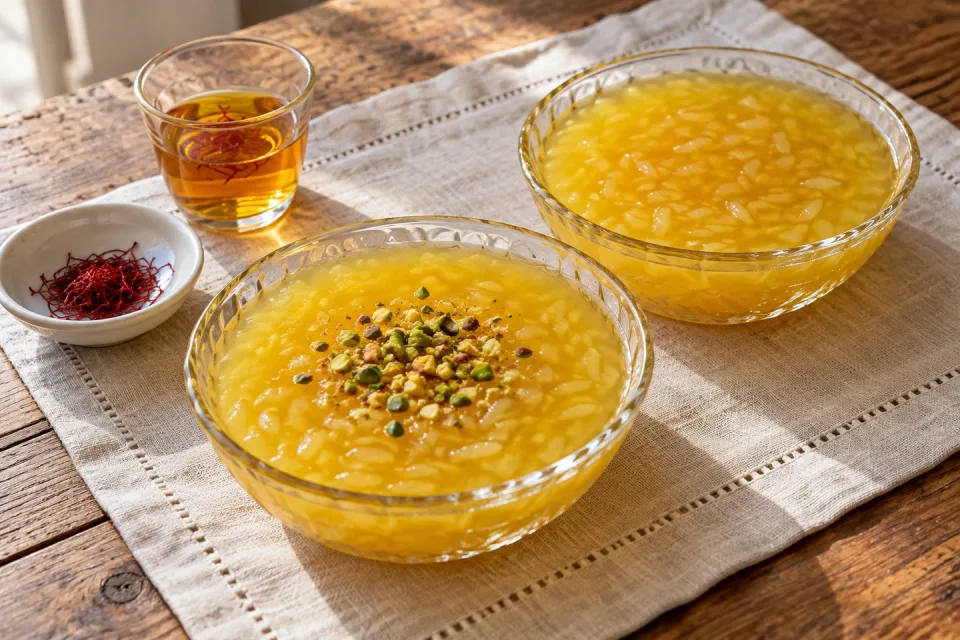
Saffron has a place as well as a colour
GoTürkiye connects Safranbolu with saffron cultivation and describes flowering in October and November. That autumn rhythm adds an agricultural dimension to an ingredient often encountered only as dried threads in a small jar. A place name can open a conversation about growing and harvesting rather than functioning merely as an attractive label.
For the home cook, separate the origin of the ingredient from the identity of the finished dish. A saffron dessert is not automatically a Safranbolu specialty, and a product associated with the town need not contain saffron. Read the ingredient list and the regional description together. This approach leaves room for curiosity without turning every yellow sweet into the same story.
Zerde changes from one regional account to another
The Culture Portal’s Karabük example uses saffron, rice and starch, with pistachios as a finish. GoTürkiye’s local account describes a cooled zerde offered at religious holidays, circumcision celebrations and mevlit gatherings. These records connect a modest bowl with occasions when food is prepared for others.
Konya’s registered description offers a different emphasis: saffron-scented sweet rice is traditionally served with pilaf at weddings and celebrations, and its documented method serves it warm. Temperature is therefore worth asking about rather than assuming. A cold bowl and a warm serving can belong to the same broad dessert family while retaining their own local context.
A yellow dessert does not always mean saffron
Urfa Zerdesi uses haspir, identified as Carthamus tinctorius, rather than the Crocus sativus saffron named in the Konya description. Its registered specification excludes nuts and fruit during preparation and decoration. Adding pistachios to every bowl would erase this particular distinction, even though they appear in the Karabük example.
The comparison is a reminder to treat garnishes as information. Before adding a familiar topping, ask which version you intend to present. If you adapt it, describe the adaptation plainly. A home interpretation can be enjoyable without being presented as the specification of a named regional product. Clear naming is more useful than chasing a single appearance for all zerde.
Bring the comparison to a home table
Start with the site’s Zerde recipe and read its own ingredients and method before planning the rest of the meal. Choose one dessert rather than assembling a tasting of every Turkish sweet. Fırın Sütlaç offers a separate route into rice desserts on another occasion; comparing the two recipes can help readers notice how liquid, texture and flavour define a dish.
Keep the cultural comparison practical: note the named colouring ingredient, the intended serving temperature and any garnish. When sharing the dessert, explain what is actually in your bowl and check the complete recipe for allergens. The image here illustrates a saffron zerde with a pistachio finish, not Urfa’s specification. Regional food becomes easier to understand when these small details remain visible.
Recipes
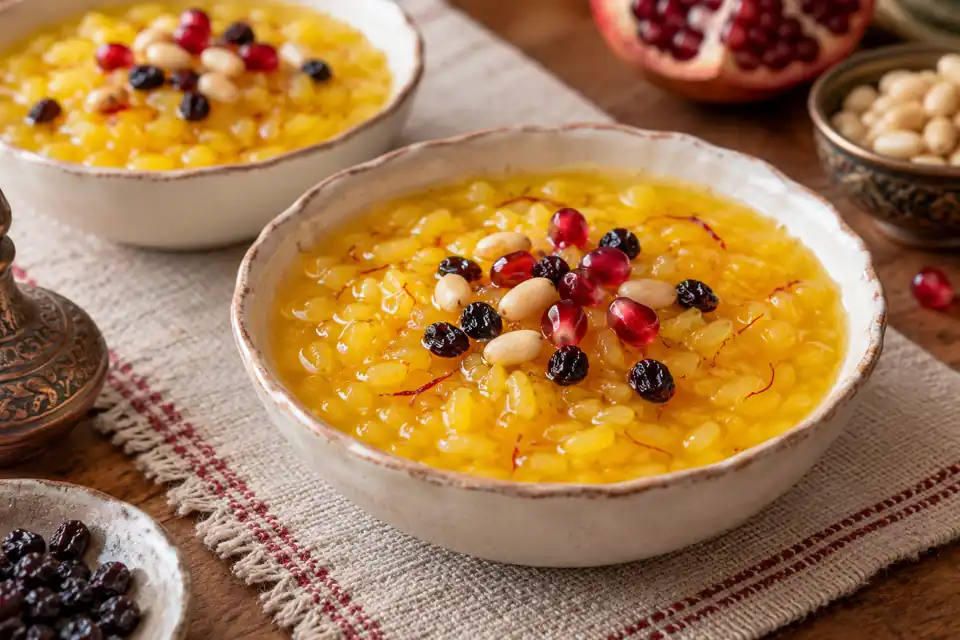
Turkish Saffron Rice Dessert — Zerde
Turkish saffron rice dessert with rose water and festive garnishes
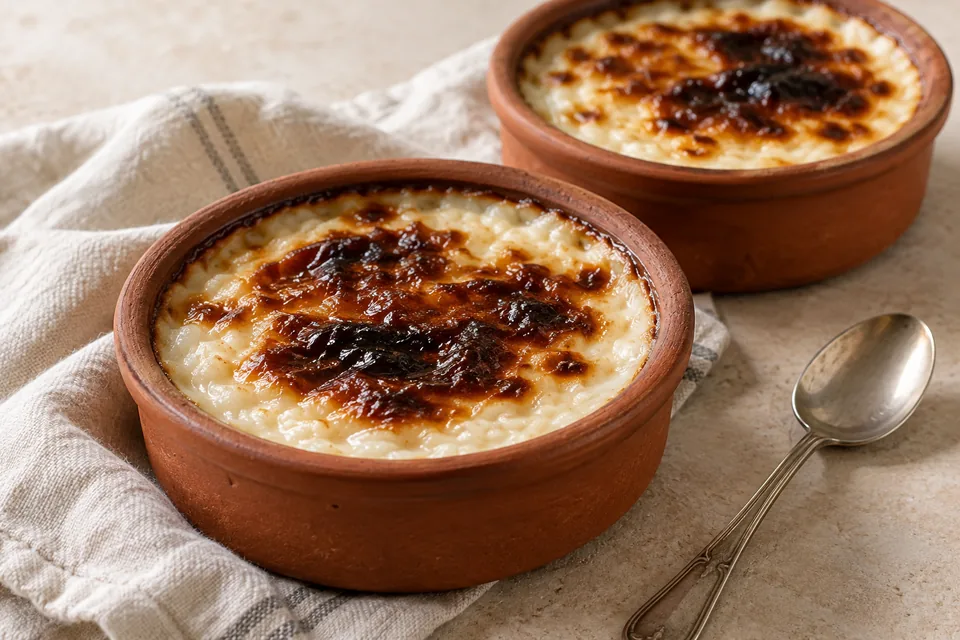
Turkish Baked Rice Pudding Recipe — Fırın Sütlaç
Turkish baked rice pudding