Blog
Quince in Turkish Cooking: Preserves, Desserts and Savory Stuffing
Quince, called ayva in Turkish, can lead to very different dishes. A small spoonful of preserve, a generous half-fruit dessert and a savory stuffed quince all ask something different of the same ingredient. Looking at documented examples from Artvin, Bursa, Aksaray and Manisa gives a clearer picture than treating quince as simply a fruit for jam. It also offers a useful way to read a Turkish menu: notice the preparation after the ingredient’s name.
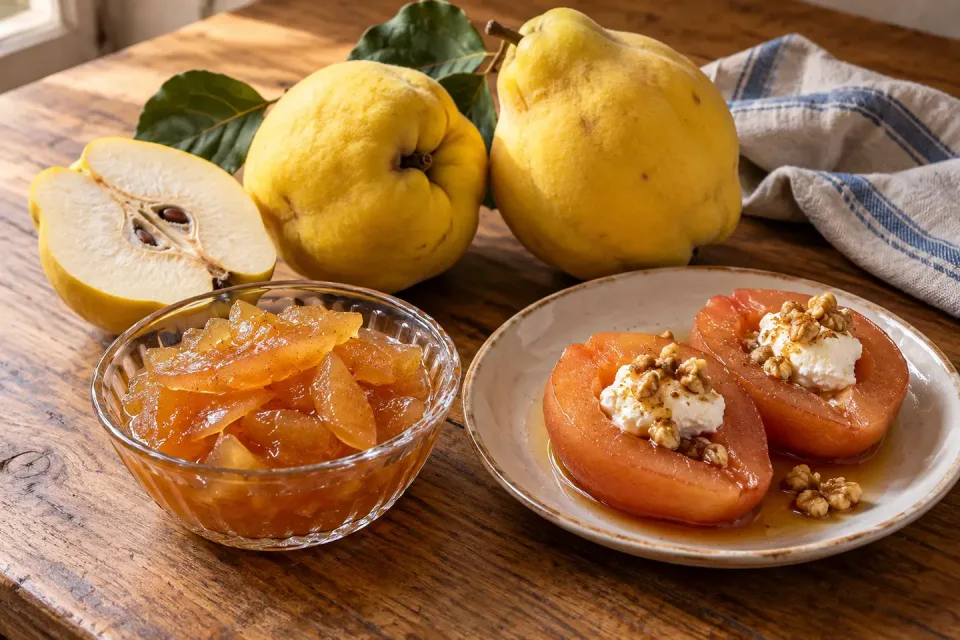
Artvin: fruit pieces in a preserve
The Culture Portal’s Artvin account describes sliced quince cooked with sugar, water and lemon juice. This is ayva reçeli, a fruit preserve. Its small pieces make a different presentation from a dessert built around a large portion of fruit.
For a breakfast spread at home, offer a little quince preserve in a separate dish rather than spreading it across every plate in advance. That lets guests choose how much sweetness they want alongside bread and cheese. Our linked Ayva Reçeli recipe provides a specific cooking method; the Artvin example here supplies regional context. Do not transfer quantities, cooking times or storage instructions from one version to another merely because both carry the same name.
Bursa: quince becomes the dessert itself
Bursa’s documented ayva tatlısı uses large pieces cooked in sweetened water, an oven stage, and kaymak with walnuts. Here the fruit keeps a recognizable shape and becomes a plated dessert rather than a condiment.
The useful contrast is one of scale and structure. Preserve can be spooned in a small amount; a quince half gives each diner a distinct portion. Kaymak supplies a creamy element while walnuts add another texture. When describing a menu, retain the name ayva tatlısı and explain the actual serving instead of translating it loosely as quince jam. The Bursa account is a local example, not a requirement that every quince dessert in Türkiye must use the same finish.
Aksaray: a savory filling changes the role
The Aksaray ayva dolması recorded by the Culture Portal combines hollowed quince with minced meat, onion, walnuts, butter and pekmez. It puts fruit and a savory filling into the same dish. The word dolma points to filling, not to one compulsory vegetable or grain mixture.
This is a helpful distinction for readers who know only stuffed peppers. A familiar technique can move to a different edible container, changing the shape and balance of the meal. Our Etli Biber Dolması link offers a separate example of the stuffed-food vocabulary; it is not a substitute recipe for Aksaray’s quince. Ask what is inside a dolma rather than assuming it contains rice, is meat-free, or has the same ingredients as another dish with that word in its name.
Manisa and a practical tasting menu
The Manisa food-culture account records quince absorbing grape must during pekmez preparation and being eaten as a sweet. That example connects the fruit with a regional grape preparation rather than another jar of preserve. Together, these accounts show several culinary uses without establishing one national origin story for all of them.
For a simple introduction, choose one quince preparation and make its place in the meal clear. Serve the preserve with breakfast, or present a fruit dessert after a savory main. If planning a comparison, offer small portions and name what changes: sliced preserve, a large sweet piece, or a filled fruit. These are suggested ways to organize a tasting, not fixed Turkish table rules. The linked baked rice pudding offers a contrasting dessert texture, while each recipe remains the place to check quantities, allergens and storage.
Recipes
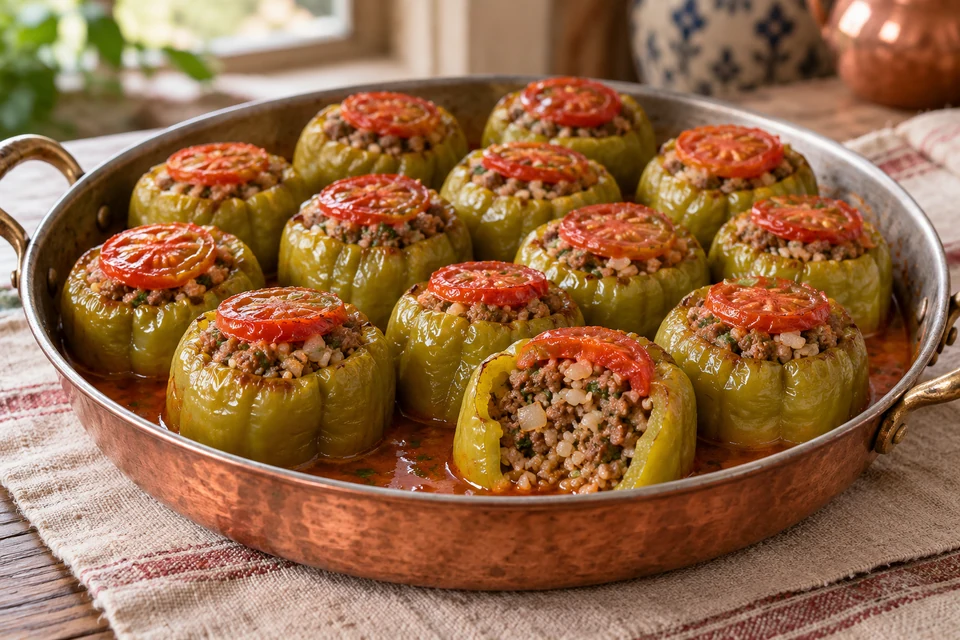
Turkish Meat-Stuffed Peppers — Etli Biber Dolması
Turkish green peppers stuffed with beef, rice and herbs
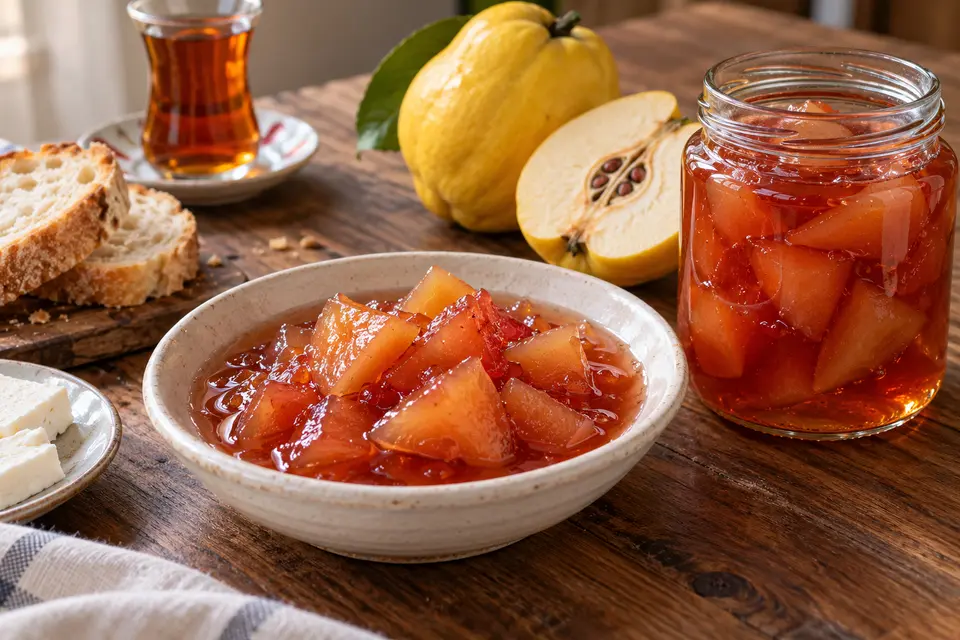
Turkish Quince Preserve — Ayva Reçeli
Turkish quince preserve with lemon
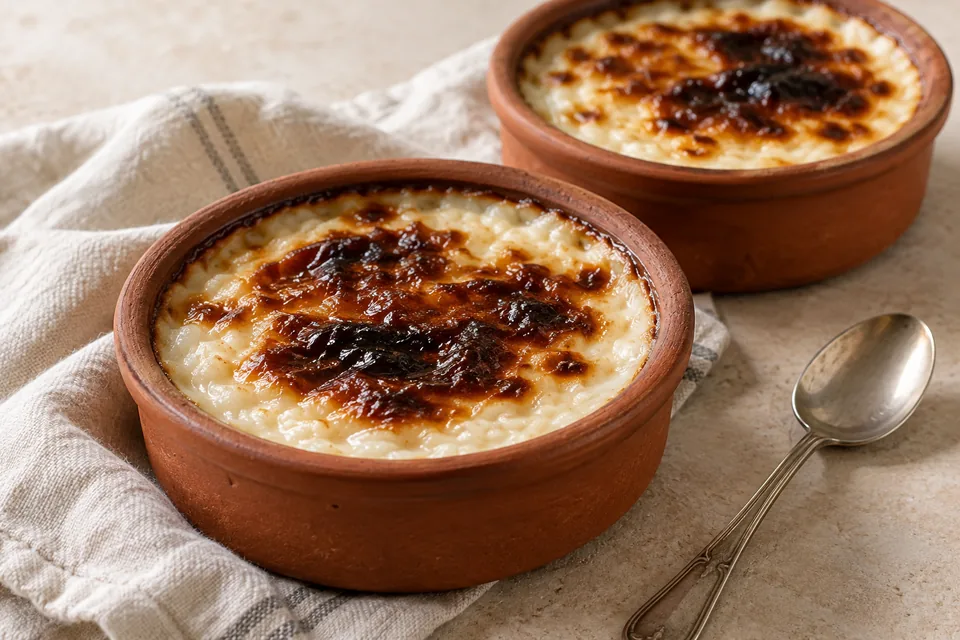
Turkish Baked Rice Pudding Recipe — Fırın Sütlaç
Turkish baked rice pudding