Blog
Onions in Turkish Cooking: Kilis Salad, Denizli Stew and Bitlis Dolma
An onion can disappear into the beginning of a meal, chopped finely and cooked beneath other ingredients. But several Turkish regional dishes give it a much more visible role. In Kilis it can be a sharply defined salad; in Denizli, small onions share a pot with meat and chickpeas; in Bitlis, their softened layers become wrappers. Looking at these three preparations together makes an everyday ingredient easier to understand and use deliberately.
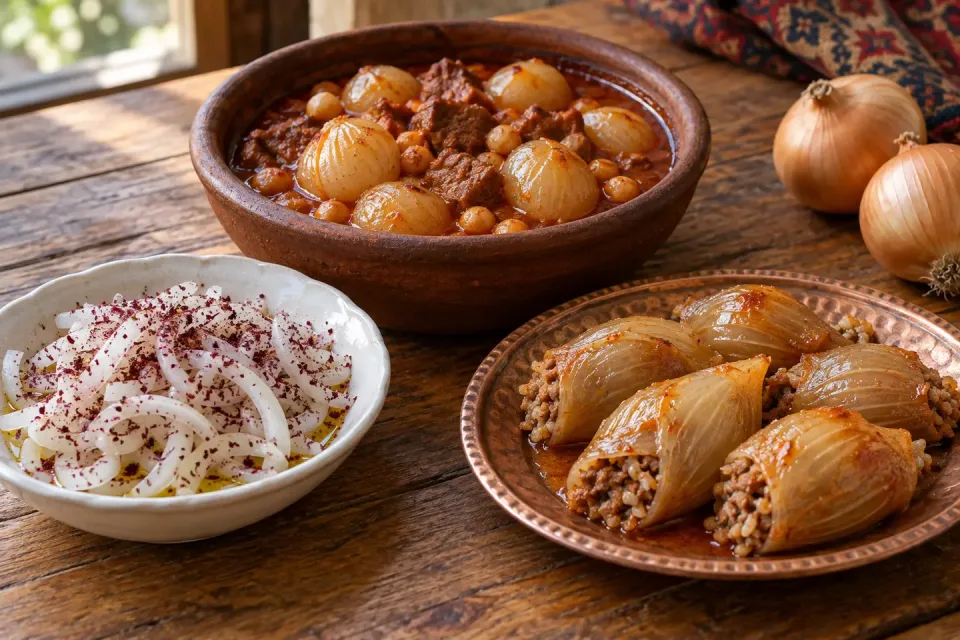
Kilis: a salad built around the raw onion
The Ministry of Culture and Tourism's Kilis entry for kuru soğan salatası lists onion, salt, sumak ekşisi and olive oil. The onion is sliced into thin half-rings and dressed before serving. This is a compact preparation in which the onion remains the main ingredient, rather than a small aromatic addition to a larger chopped salad.
The practical distinction is texture. Thin, separate slices make a different mouthful from large chunks, and the dressing reaches them more evenly. At home, a small portion can provide a fresh, tart contrast beside the site's köfte. That pairing is a menu suggestion, not a claim that the Kilis record prescribes a particular meat dish. Keep the salad modest so its raw-onion character complements the rest of the plate.
Denizli: small onions become part of the main dish
Denizli's documented soğan aşı combines small onions with cubed meat, chickpeas, tomato paste and ground red pepper. The meat is browned, the chickpeas join the liquid, and the peeled onions are added to the simmering pot. The onion is therefore something to eat in its own right, alongside the other substantial ingredients, rather than a seasoning that is expected to disappear.
This changes how to think about the shopping basket. Small onions suit a dish whose identity depends on recognizable pieces. Replacing them with a finely chopped large onion may provide flavor, but it changes the structure of the meal. Follow a complete recipe for cooking times and chickpea preparation; the short cultural entry is evidence of a regional combination, not a substitute for detailed instructions.
Bitlis: the layers themselves become wrappers
The Bitlis account of soğan dolması asks for onions to be cut and boiled until their layers can be separated without tearing. These layers hold a filling of minced meat, rice, vegetables, pastes and herbs. Sumac water enters both the filling and the cooking liquid, giving this particular version an acidic element alongside the softened onion.
Here, a good onion is useful for its shape as well as its flavor. Broad, intact layers are easier to wrap than broken fragments. The site's stuffed-onion recipe develops this idea into a full cooking method, including room for the rice to expand. Do not assume that another region's onion dolma has the same filling or souring ingredient: the place name helps identify which version is being discussed.
Choose the onion's job before building the menu
These examples suggest a useful question for a home cook: should the onion stay crisp, become a tender piece in broth, or hold a filling? Answering it before cutting helps preserve the intended texture. The three dishes are not stages of one recipe, and they need not appear at the same meal. Their value together is that they show distinct ways of making an ordinary vegetable central.
For an approachable starting point, choose either soğan aşı or soğan dolması as the main dish and add a simple accompaniment according to the full recipe. On another day, use a small onion salad beside köfte. This is a practical route through the site's recipes, rather than a fixed regional menu. Let the named preparation guide the cut, cooking method and serving role instead of treating every onion as interchangeable.
Recipes
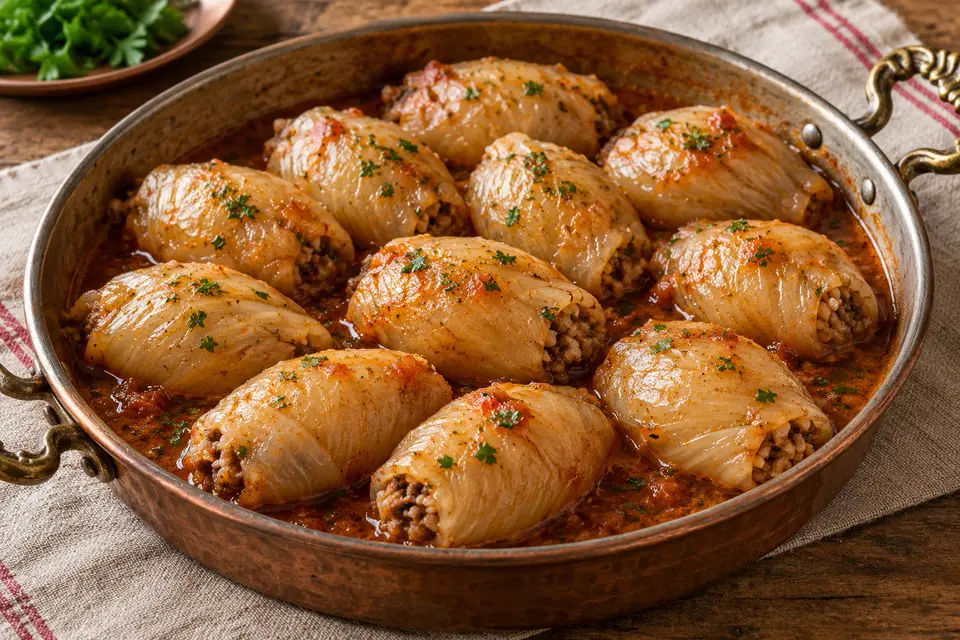
Turkish Stuffed Onions — Soğan Dolması
Bitlis-Style Stuffed Onions with Beef, Rice and Sumac
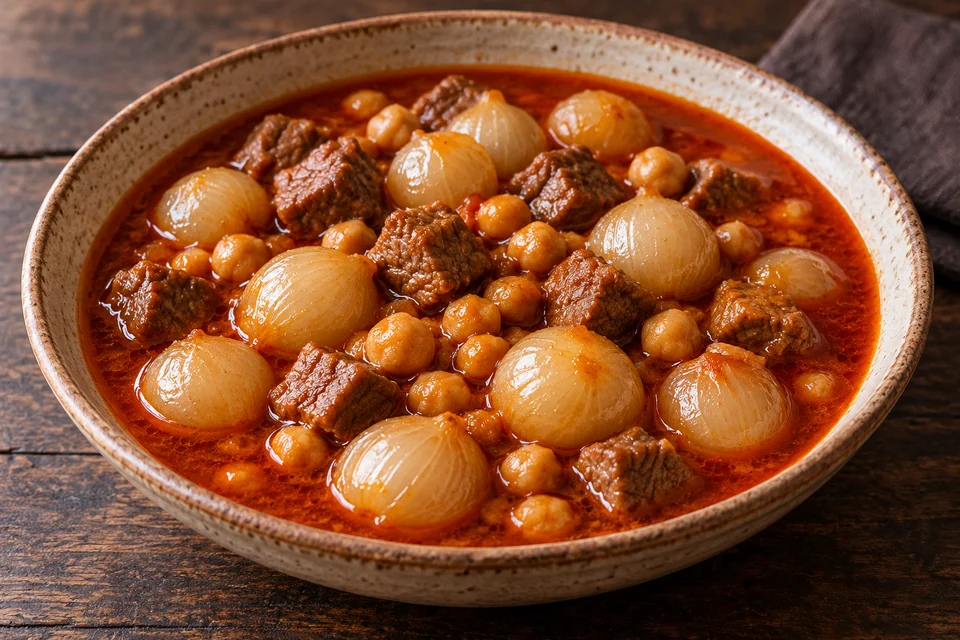
Turkish Pearl Onion and Chickpea Stew — Soğan Aşı
Denizli-style meat, whole onion and chickpea stew
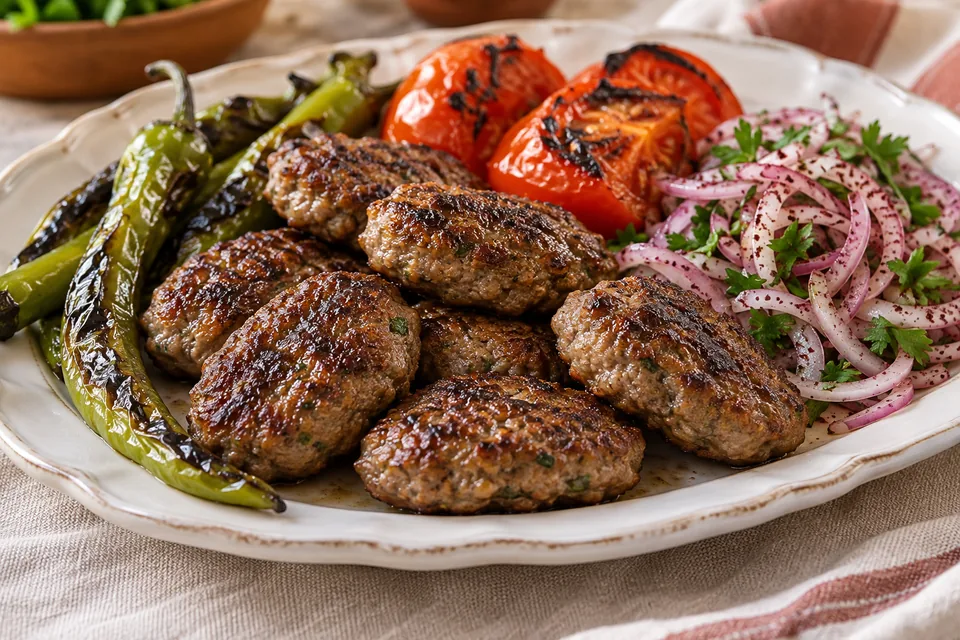
Turkish Meatballs Recipe — Köfte
Turkish pan-seared meatballs