Blog
Malatya Apricots: From Sun-Drying to the Turkish Table
A bag of Turkish dried apricots can open a conversation about place, preservation and the way a pantry becomes a meal. Malatya offers a particularly useful starting point. Here, kayısı is both a fruit and a thread connecting orchards, market stalls and household cooking. Understanding a few words on the packet helps you choose the fruit more thoughtfully and recognise its different roles at the table.
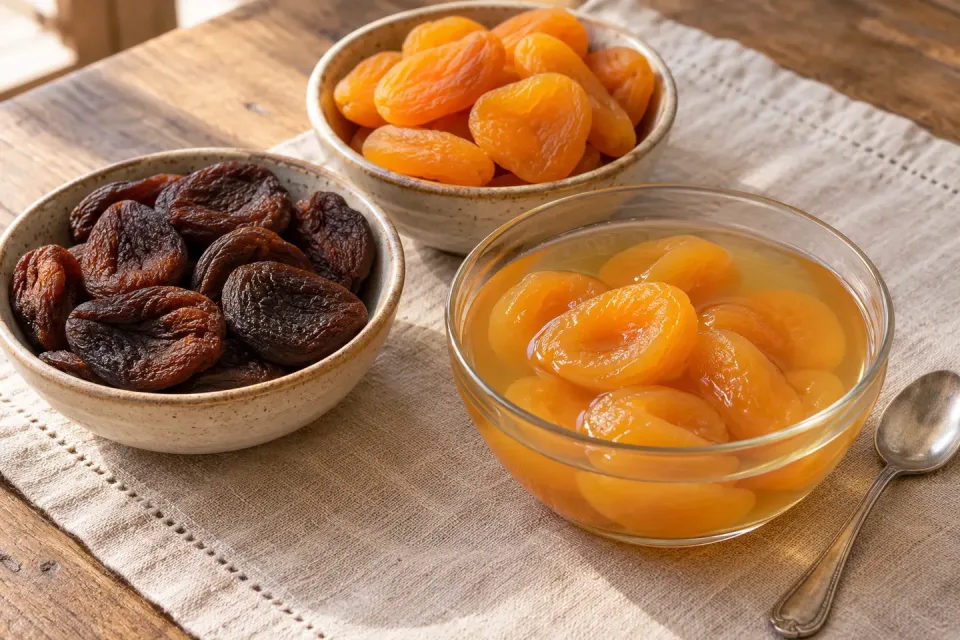
Read the colour, then read the label
Brown gün kurusu apricots are dried without the sulphuring treatment used for the familiar yellow or orange dried fruit. The Ministry of Agriculture's account explains that sulphuring helps retain colour and supports storage. This distinction describes processing rather than a separate fruit species. Both forms belong to Malatya's dried-apricot story, so a display of golden fruit should not be dismissed as somehow outside the tradition.
At the shop, compare the ingredient lists as well as the appearance. Look for the stated origin, processing information and storage instructions. Colour alone cannot tell you the variety, the producer or how carefully a batch was handled. For a small tasting, keep two labelled examples separate and notice chewiness, aroma and sweetness before deciding which you prefer for eating or cooking.
A market identity built around the fruit
The Culture Portal identifies Şire Pazarı as a place associated with buying apricots in Malatya. Its account describes dried fruit alongside apricot jam and other apricot sweets. The market connection is a useful reminder that kayısı culture extends beyond an orchard photograph: preserving, packing, selling and giving the fruit all contribute to the way a place is known through food.
When choosing an edible gift, a clearly labelled packet can be more informative than an elaborate basket. Keep the producer's details and preparation terms with the fruit, especially if the recipient is unfamiliar with Turkish labels. Explain whether the packet is meant to be eaten as it is or used in cooking, following its instructions. Avoid promising a particular flavour merely because a regional name appears on the front.
Summer fruit in the winter pantry
Malatya's official culinary overview places dried apricots for hoşaf among the foods prepared in summer for winter use. It also names apricot jam and kaymaklı kayısı tatlısı, an apricot dessert with clotted cream. These examples show different destinations for the same fruit: a preserve, a spoonable fruit accompaniment and a richer sweet. They should not be treated as interchangeable versions of one dish.
For home cooking, choose one role before opening the packet. Fruit intended to remain recognisable in a bowl needs different handling from fruit that will become a smooth preserve. Follow the chosen recipe's soaking, cooking and cooling directions rather than assuming all dried apricots behave identically. Size and dryness vary, so texture is a more useful guide than colour when checking whether the fruit has softened sufficiently.
Give hoşaf a place beside the meal
The linked dried-apricot hoşaf is a practical introduction to this pantry tradition. Serve it in small bowls with both fruit and liquid, and let it remain a distinct part of the meal. The linked plain rice pilaf offers a simple pairing to try at home; this is a menu suggestion rather than a claim that every Malatya household follows the same combination. Keep the rest of the table modest so the apricot's flavour remains easy to notice.
For a comparison without cooking, set out small separate dishes of brown and golden dried apricots and retain their labels. For a fuller meal, choose the hoşaf instead of adding several unrelated sweets. Follow the packet's storage directions for dry fruit and the recipe's refrigeration advice once it is cooked. That small distinction between a dry pantry ingredient and a prepared dish matters as much as knowing the regional vocabulary.
Recipes
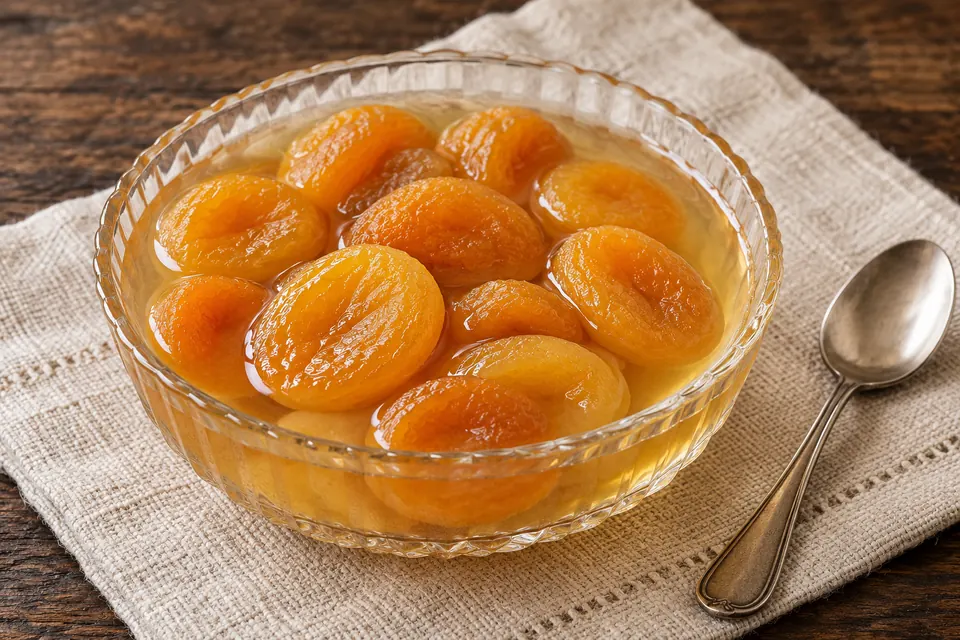
Turkish Dried-Apricot Compote — Kuru Kayısı Hoşafı
Turkish dried-apricot compote served chilled
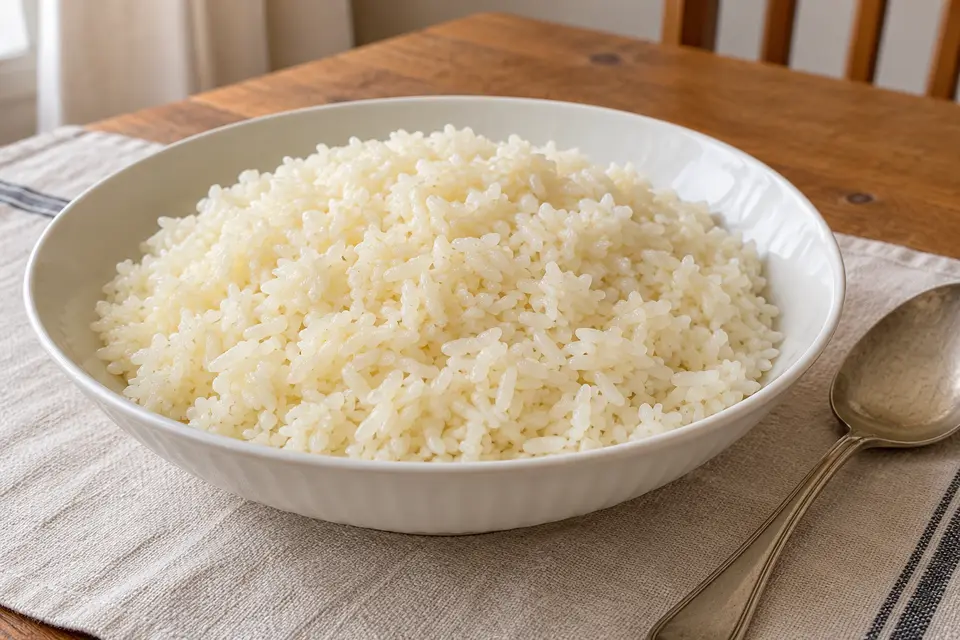
Turkish Buttered Rice Pilaf — Pirinç Pilavı
Turkish buttered rice pilaf with separate, tender grains