Blog
Hazelnuts on the Black Sea Table: Ordu, Giresun and Kadayıf
A hazelnut can be a snack, a spoonable paste or the finishing crunch on a dessert. Around Ordu and Giresun, it also provides a useful way into Black Sea food culture. Following the nut from orchard product to table reveals regional specialties without reducing a varied cuisine to a single ingredient.
Two neighboring places, many different foods
Giresun’s provincial culture directorate describes hazelnut orchards reaching from the coast toward higher villages and names several local types, including tombul and sivri. Those names matter when shopping: a regional origin, a variety and a finished product describe different things. A packet of whole kernels and a jar of sweetened paste are not interchangeable simply because both carry the word fındık.
GoTürkiye places hazelnuts within Giresun’s wider economic and cultural life, while also describing greens, seafood, village cheeses and breads. Ordu’s official food guide similarly presents hazelnut paste, hazelnut pastry and honey-and-hazelnut sweets alongside beans, fish and vegetable dishes. The nut belongs to that larger table; it does not define every meal served in either province.
From kernels to ezme
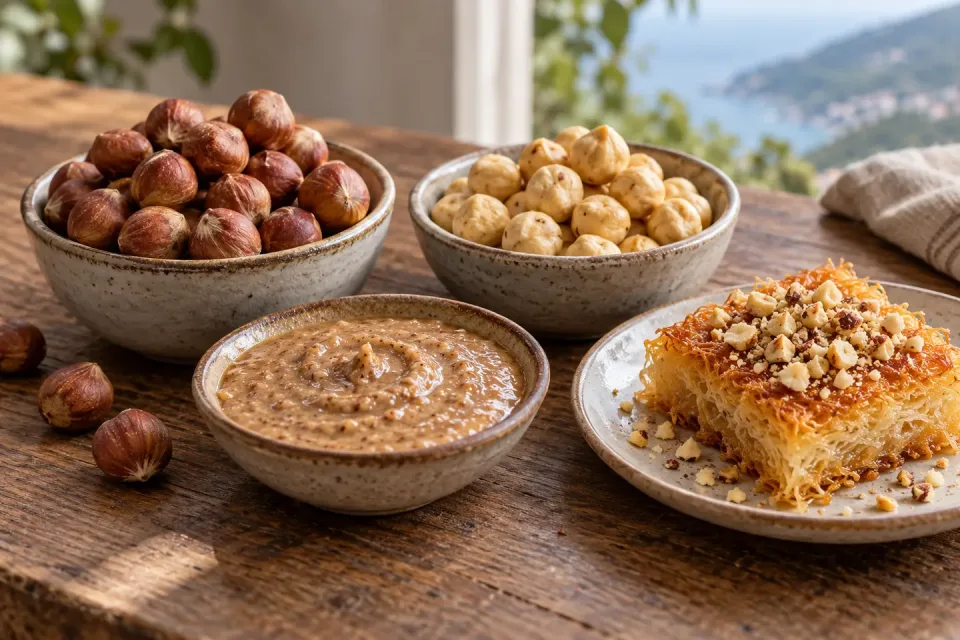
Fındık means hazelnut, while ezme describes something crushed or ground. In a shop, look beyond the front label to understand what a particular fındık ezmesi contains. Some products emphasize the nut itself, while others include sugar or additional ingredients. A sweet confection and an unsweetened nut paste serve different purposes even when their colors look similar.
For a small tasting at home, set out plain roasted kernels and a little paste in separate dishes. Try each before adding bread or another sweet food. Whole kernels emphasize bite and texture; paste spreads the flavor across the palate. This is a suggested tasting arrangement, rather than a claim that every Black Sea household serves hazelnuts in this order. Keep packaging available when guests need to check ingredients.
Kadayıf gives the nut another texture
Giresun’s culture directorate describes a local kadayıf tradition that began in connection with Ramadan and combines fine pastry strands, milky syrup and Giresun hazelnuts. It offers a useful example of how an agricultural ingredient becomes a recognizable local sweet. The crisp or softened pastry, syrup and chopped nut each contribute a different texture.
That description should not be turned into a rule for all Turkish kadayıf. Syrups, fillings and finishes differ between recipes and places. Nor should hazelnuts automatically replace the nuts in another region’s named specialty. When choosing a dessert, identify the version you are serving and follow its own recipe rather than treating every shredded-pastry sweet as the same dish.
A modest serving for a home table
One practical finish to a meal is Turkish coffee with a few plain hazelnuts, or a small portion of hazelnut kadayıf when you want dessert. The coffee recipe linked here explains the drink itself. Our baked rice pudding provides a separate dessert option; adding chopped hazelnuts would be an optional home garnish, not a claim about the pudding’s traditional identity.
Serve the nuts separately so guests can decide whether to add them. Hazelnuts are tree nuts, and pastry or paste may contain other allergens, so check the actual ingredients before offering a shared plate. A short menu needs little else: one drink, one sweet choice and enough space to notice the nut’s flavor. That approach makes the regional connection clear without turning a cultural article into an improvised recipe.
Recipes
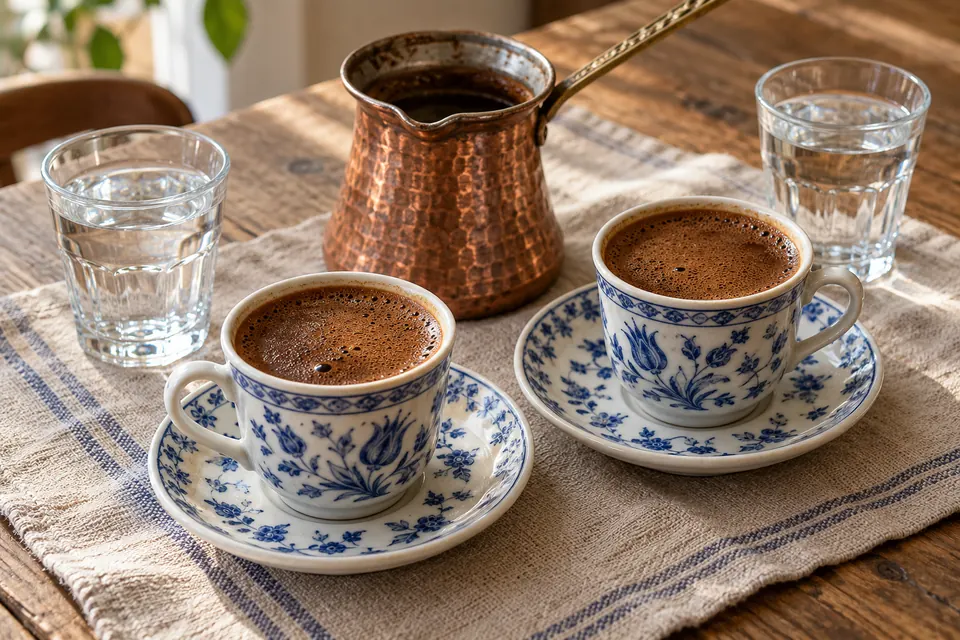
Turkish Coffee Recipe — Türk Kahvesi
Unfiltered Turkish coffee brewed slowly in a cezve
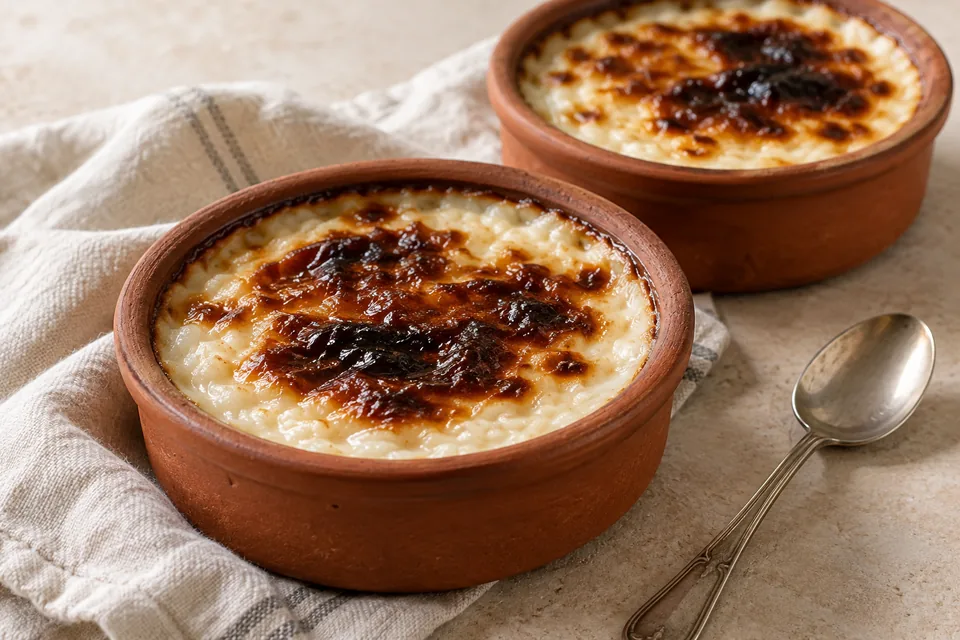
Turkish Baked Rice Pudding Recipe — Fırın Sütlaç
Turkish baked rice pudding