Blog
Güveç and Çömlek: Clay Pots in Turkish Food Culture
A Turkish clay pot carries more than a meal. It connects the person who shapes the vessel with the cook who fills it and the people who gather around the finished dish. Looking at güveç and çömlek through regional examples reveals a food culture shaped by workshops, ovens and local ingredients, rather than a single national recipe.
Start with the vessel
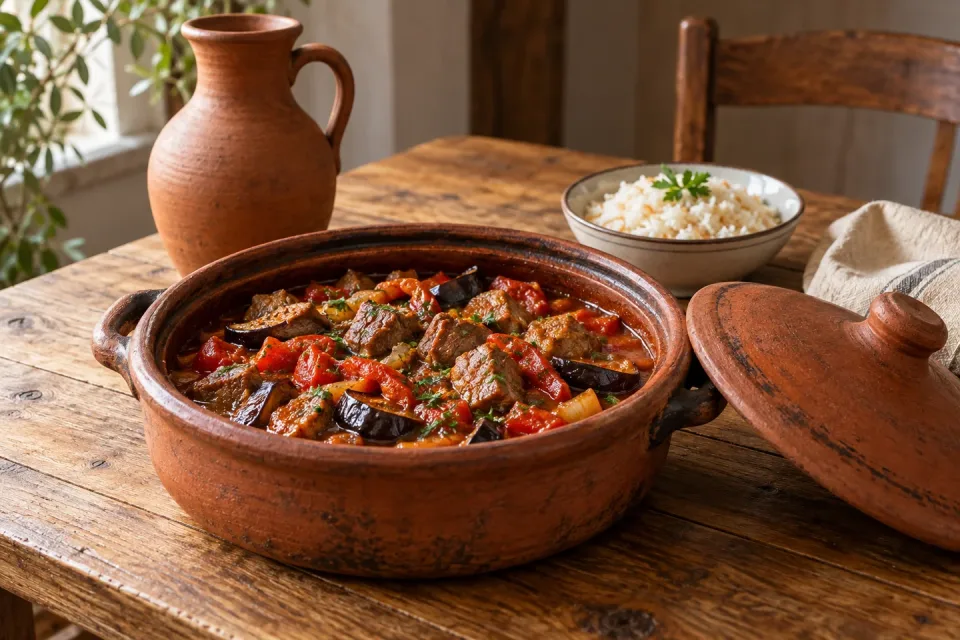
In culinary use, güveç can point to an earthenware cooking vessel as well as a dish associated with it. Çömlek is another pottery term encountered in food names; the Ministry of Culture’s account of Şanlıurfa’s Frenk Çömleği describes its vessel as a wide-mouthed earthen cooking pot. These words give clues about preparation, but they do not supply a complete ingredient list.
That distinction helps when reading a menu. Ask what the pot contains, how it is cooked and whether the name identifies a particular regional preparation. A vegetable casserole, a meat dish and beans may share an earthenware setting while offering quite different meals. The vessel is part of the story; the contents still deserve their own description.
Avanos: pottery alongside the kitchen
Avanos, in Cappadocia, is closely associated with pottery workshops. The municipality’s account places the craft alongside local foods including güveç, white beans and oven-cooked meat in pottery, now commonly presented in restaurants as testi kebabı. Craft and cooking appear together in the town’s cultural identity, rather than occupying separate worlds.
GoTürkiye describes testi kebabı as a preparation slow-cooked in a sealed clay pot, with the vessel opened by breaking it for service. Its account also connects the pots with Avanos and the cooking with a tandır oven. This distinctive presentation should not become a rule for all Turkish clay-pot meals: a reusable casserole with a removable lid belongs to a different kind of service.
Different places, different clay-pot traditions
Pottery for the kitchen extends beyond Cappadocia. In Gökeyüp, in Manisa’s Salihli district, the Culture Portal documents women making the cooking vessels known as güveç. Including this example changes the view from a famous restaurant presentation to the makers whose work equips kitchens. A pot can be an everyday tool and a regional craft object at the same time.
Şanlıurfa offers a different culinary example. Frenk Çömleği combines local lamb, tomatoes and fresh red Şanlıurfa pepper with other ingredients and is cooked in a regional stone oven. Here frenk refers to tomato. The description is specific about ingredients and place; calling any tomato-and-meat casserole Frenk Çömleği would erase those distinctions. Shared earthenware does not make regional names interchangeable.
Bring the idea to a home table
For a home meal inspired by these traditions, choose one substantial main and give its sauce room on the plate. Pirinç Pilavı provides a simple accompaniment, while Bazlama offers another way to enjoy the juices. A separate bowl of Cacık introduces a cool contrast. These are practical pairing suggestions, not a claim that every region serves the same menu.
You can explore similar comforting flavors through Kuru Fasulye without presenting it as a replica of a particular Cappadocian dish. If cooking in pottery, use a vessel explicitly intended for food and the planned heat source, following its maker’s instructions. Decorative pottery and cookware are different purchases. A suitable conventional pot is also a useful starting point: learning the dish, the place and the craft matters more than recreating a restaurant’s pot-breaking moment.
Recipes
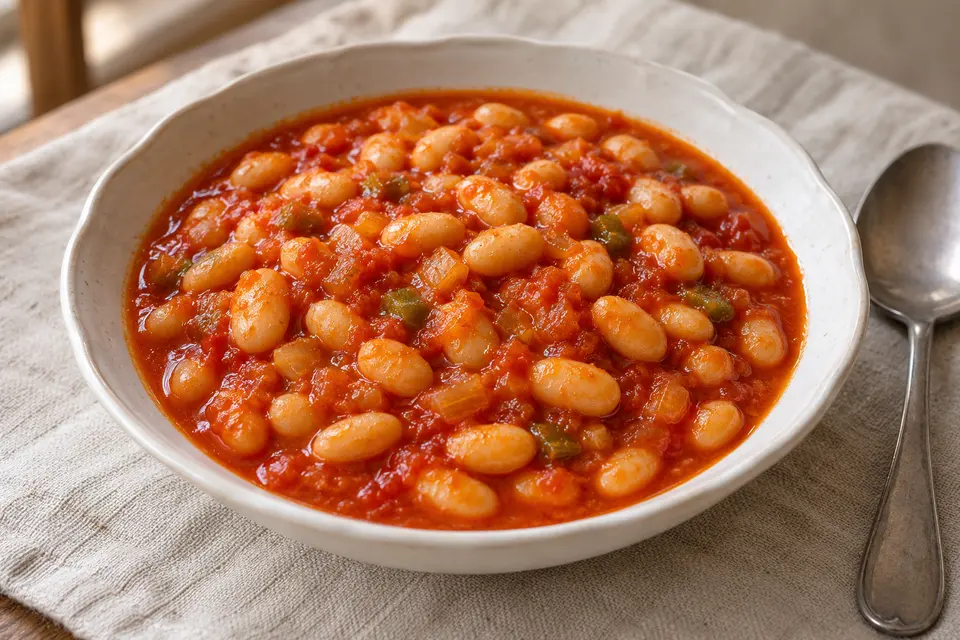
Turkish White Bean Stew — Kuru Fasulye
Turkish white bean stew in a tomato and pepper-paste sauce
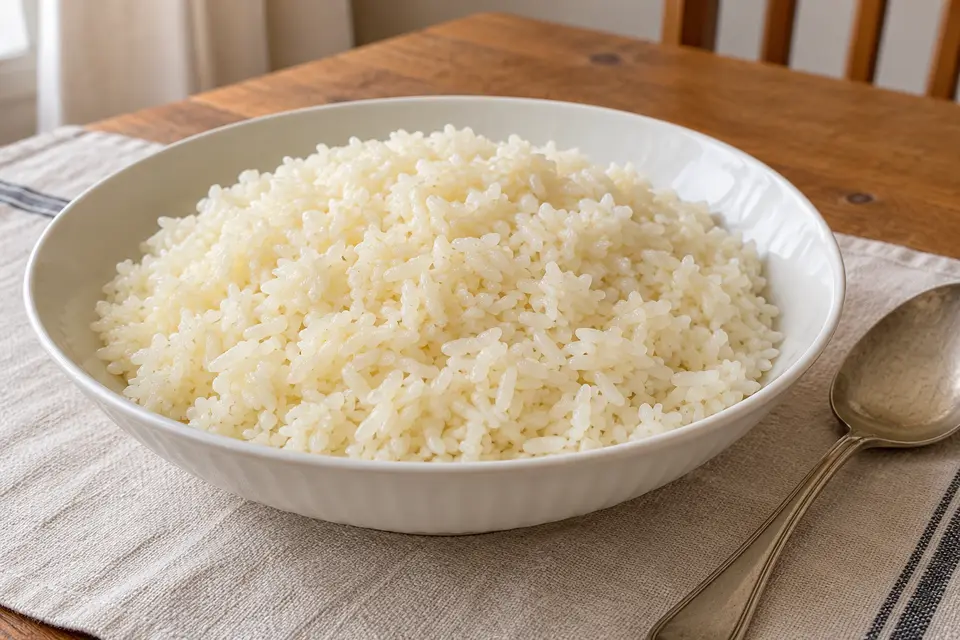
Turkish Buttered Rice Pilaf — Pirinç Pilavı
Turkish buttered rice pilaf with separate, tender grains
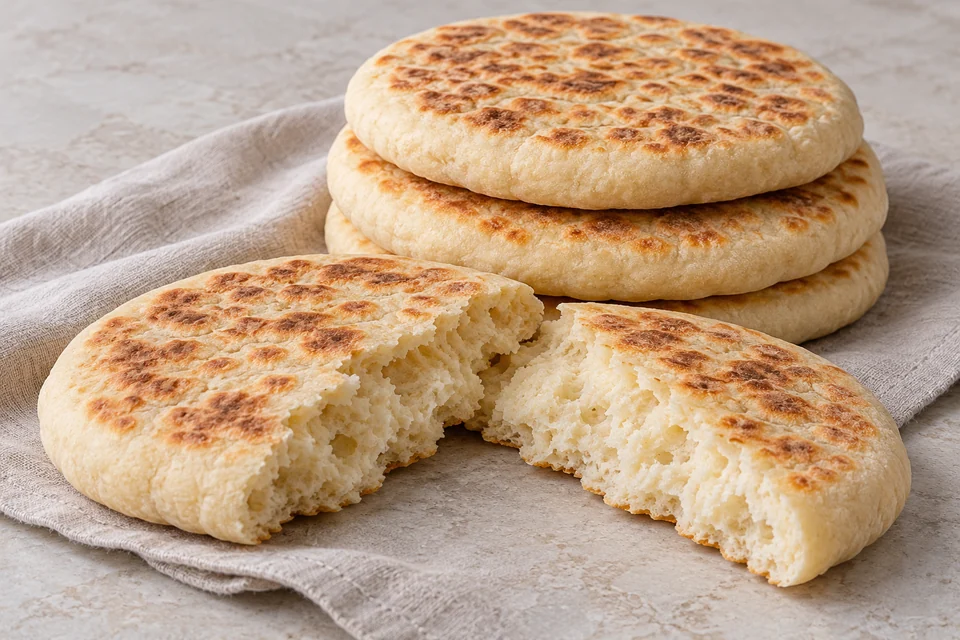
Turkish Flatbread Recipe — Bazlama
Soft Turkish skillet flatbread
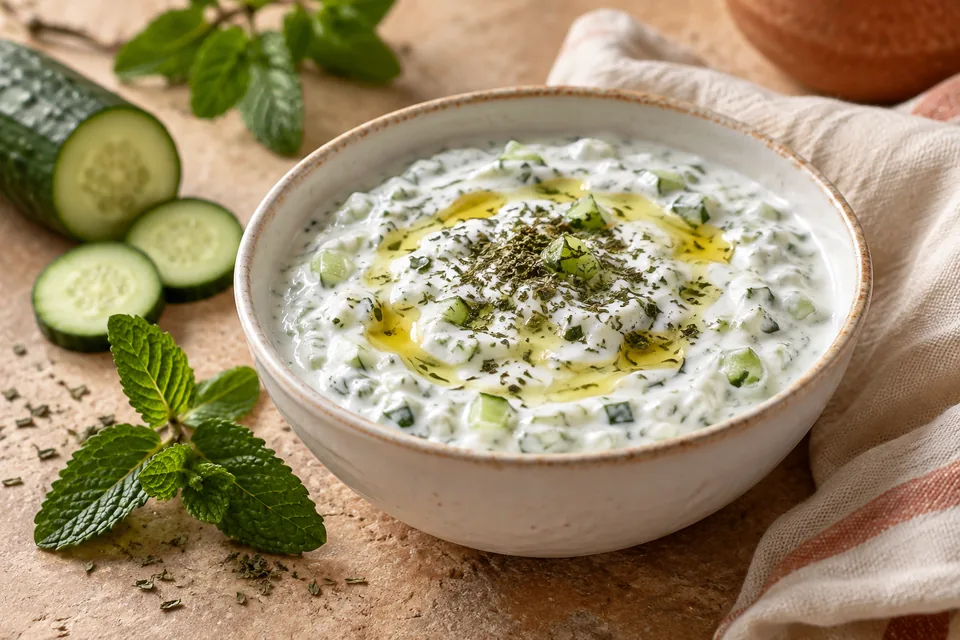
Turkish Cucumber Yogurt Dip Recipe — Cacık
Cooling cucumber & yogurt with mint