Blog
Figs at the Turkish Table: Aydın Sarılop and Bursa Black Figs
A plate of figs can tell two quite different stories. Pale dried fruit points toward the pantry, while a dark fresh fig invites a simpler, seasonal serving. In Turkish food culture, Aydın and Bursa offer useful starting points for understanding that difference. Looking at regional names and the form of the fruit makes shopping more informative and a small home tasting more interesting.
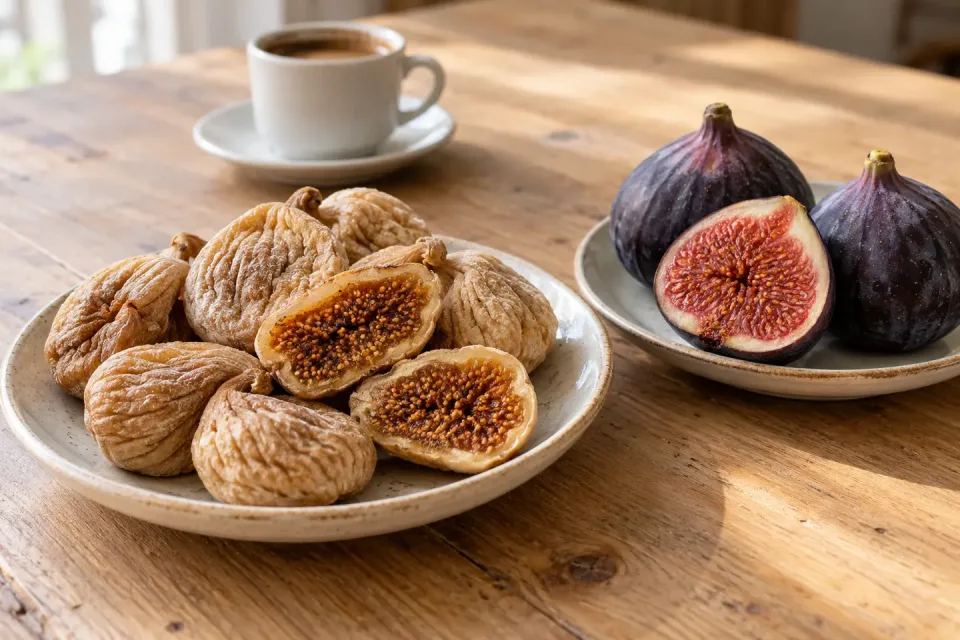
Aydın: a name, a variety and skilled work
The Ministry of Culture and Tourism identifies Aydın İnciri with the Sarılop variety used for drying. Its account also emphasizes skills passed between generations, from caring for trees to careful harvesting and drying. The regional name therefore carries a connection to agricultural work, rather than describing any pale dried fig from any place.
When buying, read the origin and product description separately. İncir means fig; kuru incir means dried fig. A regional name, a variety and a processing method answer different questions. If a shop sells fresh fruit and a packet of dried fruit side by side, check both labels instead of assuming they are simply two stages of the same named product.
Bursa: meet the fresh black fig
GoTürkiye’s Bursa guide includes the black fig among the region’s agricultural specialties, describing its deep purple skin and honey-like sweetness. Set it beside a pale dried fig and the visual contrast is immediate. One has a fresh, tender interior; the other offers a more compact bite. The comparison is about different products, not a contest to choose a single best Turkish fig.
For a tasting, describe the fruit you actually have. If the package does not establish a Bursa origin, call it a fresh black fig rather than assigning a regional identity by appearance. Likewise, do not assume every pale dried fig is Aydın İnciri. Names can guide curiosity, but they should not replace the information supplied by the grower or seller.
Place figs within a wider regional table
Aydın’s official food guide places figs alongside olives, herb dishes, pide and other foods. That broader picture matters: a province known for one crop still has a varied cuisine. A fig plate can introduce a regional ingredient without pretending to represent a complete Aydın meal.
At home, keep the tasting small. Offer a few pieces of fresh fruit and dried fruit on separate plates, without syrup or a rich topping at first. Notice the skin, the seeds and how the texture changes as you chew. This is a suggested arrangement for exploring the ingredient, not a fixed Turkish ceremony or a claim about how every family serves figs.
A simple pairing, with room for choice
Turkish coffee is one possible companion when you want a short finish to a meal. The linked coffee recipe explains the drink; the figs need no invented dessert name. For a bread-based snack instead, our bazlama recipe provides a separate option. Neither link is a fig recipe, and neither establishes a required regional pairing.
Serve modest portions and let guests choose fresh, dried or both. Keep the fruit separate from any optional cheese or other additions so that its flavor remains easy to compare. Follow the seller’s storage guidance for the product you buy, especially once a packet is opened. A clear label, two small plates and one drink are enough to turn an everyday ingredient into a thoughtful introduction to regional food culture.
Recipes
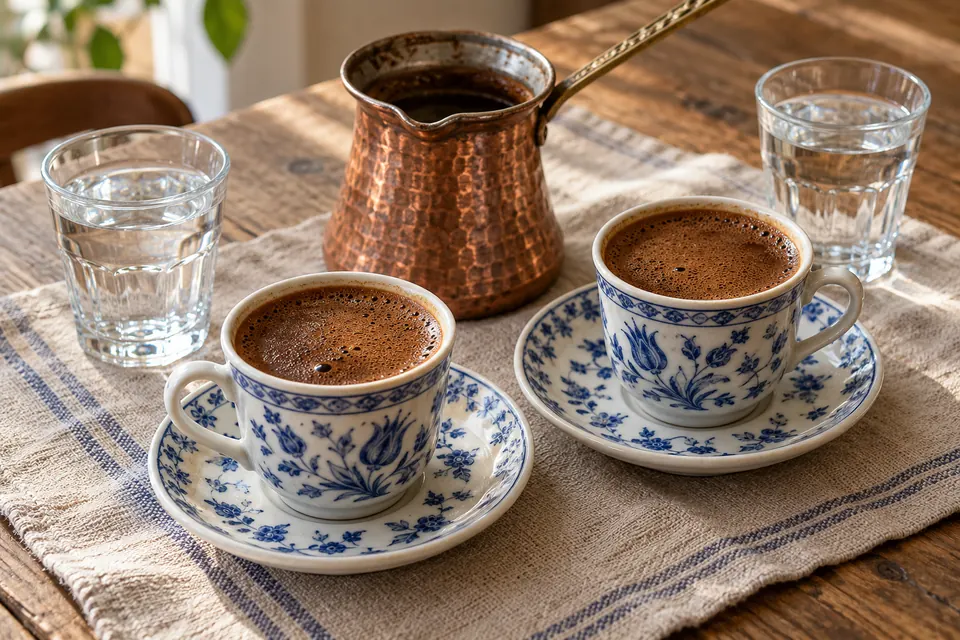
Turkish Coffee Recipe — Türk Kahvesi
Unfiltered Turkish coffee brewed slowly in a cezve

Turkish Flatbread Recipe — Bazlama
Soft Turkish skillet flatbread