Blog
Erişte: Turkish Home-Cut Noodles from Winter Pantry to Table
A bowl of erişte begins long before the water boils. These home-cut Turkish noodles connect the work of rolling and slicing dough with the practical business of feeding a household. Their interest lies as much in preparation, shape and regional vocabulary as in the sauce that eventually coats them.
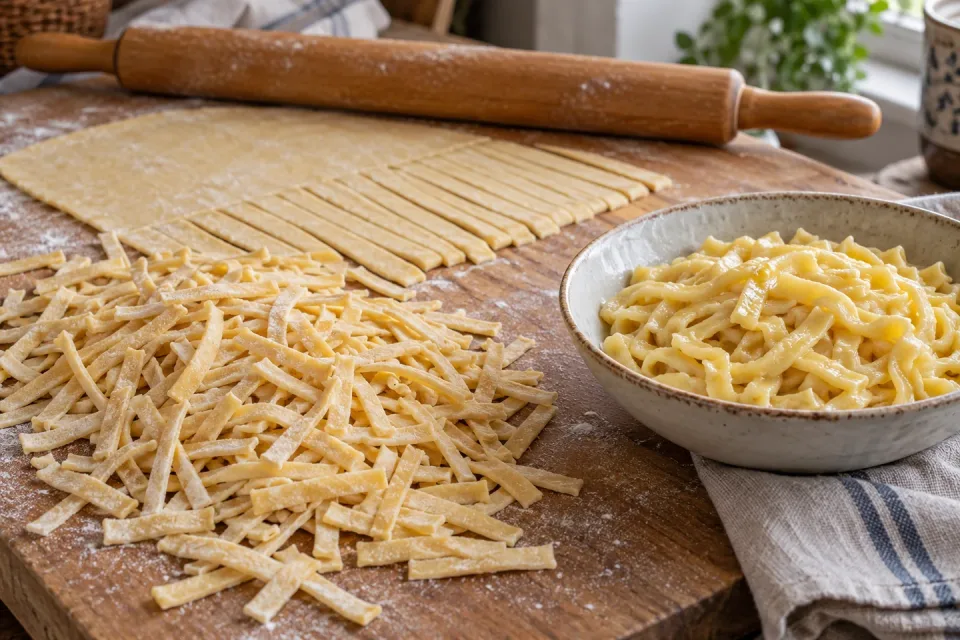
A pantry project made together
Niğde’s provincial culinary record describes erişte as a summer preparation for winter meals. Neighbours gather through imece, a system of shared work, to knead, roll and cut dough. The resulting supply serves both noodle dishes and soups. This is a useful way to understand the tradition: one concentrated period of labour creates an ingredient that can later support many different meals.
Kırıkkale’s official account likewise describes a large batch made with eggs, water, salt and flour, followed by resting, rolling, cutting and drying. These are regional records, not a single national formula or a modern preservation specification. For a home kitchen today, use a reliable recipe and its storage instructions; a cultural description alone does not establish that homemade egg noodles are safe to store at room temperature.
The cut carries local meaning
Erişte is often pictured as short flat strips, but that image leaves out much of its variety. Kütahya’s cultural account distinguishes small square pieces called dökme erişte from longer pieces called kıyma erişte. Both begin with rolled dough, yet their names and shapes point to different local uses. Here, kıyma refers to a cut form; it does not by itself mean that the noodles contain minced meat.
Niğde’s account also separates pasta-sized cuts from much smaller soup pieces. The broader lesson for a shopper is to look at the noodles themselves rather than relying only on the label. Width, thickness and whether they are fresh or fully dried will affect cooking. A delicate strip and a sturdy homemade piece should not automatically share one cooking time.
From a soup ingredient to the main plate
Afyonkarahisar’s Sakala Çarpan soup combines green lentils with homemade erişte, onion and broth, finishing with mint in butter. The noodles share the bowl with pulses instead of becoming a separate pasta course. The official version uses meat stock, a reminder that a lentil-and-noodle dish is not necessarily vegetarian simply because its most visible ingredients are plants.
Kütahya records several other directions: plain butter, garlic yogurt, tomato preparations and minced-meat sauces. These possibilities show the adaptability of the same basic dough. For practical cooking, choose the sauce and the role of the dish together. A buttery noodle plate can be the centre of lunch; a small helping in broth can introduce a meal with a different main course.
Building a table around erişte
For a simple Turkish meal at home, let the noodles supply the soft, substantial element and add contrast through another dish. Çoban salatası brings crisp vegetables and acidity; an olive-oil vegetable dish adds a different texture. A small bowl of haydari can introduce a cool, tangy accompaniment when the noodles themselves are served without yogurt. These are menu suggestions, not rules shared by every region.
Read ingredient labels as carefully as the shape. Wheat is common, eggs are frequent, and butter, yogurt or meat broth may enter during cooking. Ask about the exact version when dietary requirements matter. Appreciating erişte means recognising this combination of household skill and local variation: familiar ingredients cut into forms that can move from the winter pantry to a soup pot or a generous shared plate.
Recipes
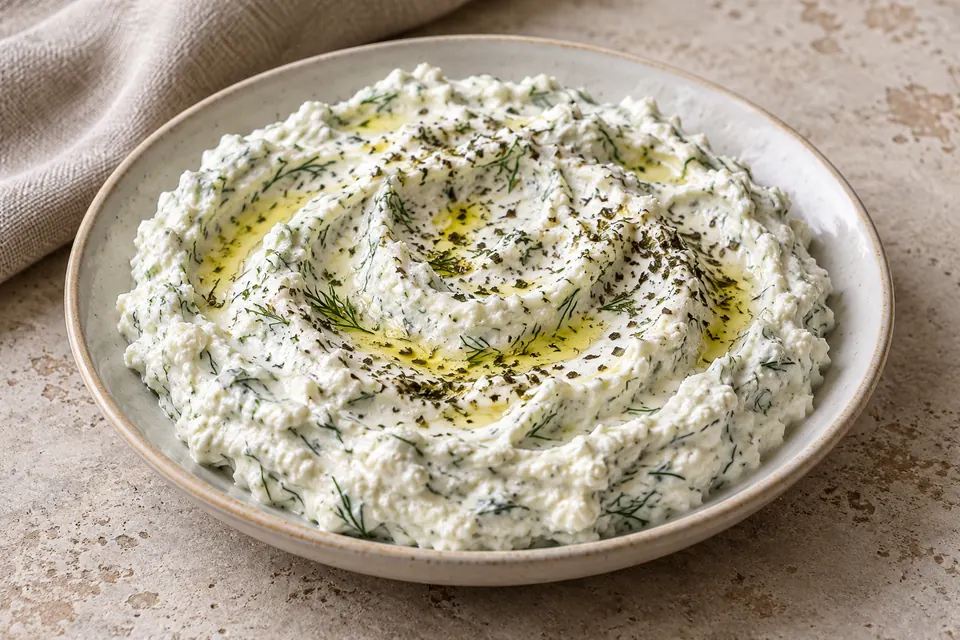
Turkish Yogurt and Herb Dip — Haydari
Thick Turkish yogurt and white-cheese meze with dill and mint
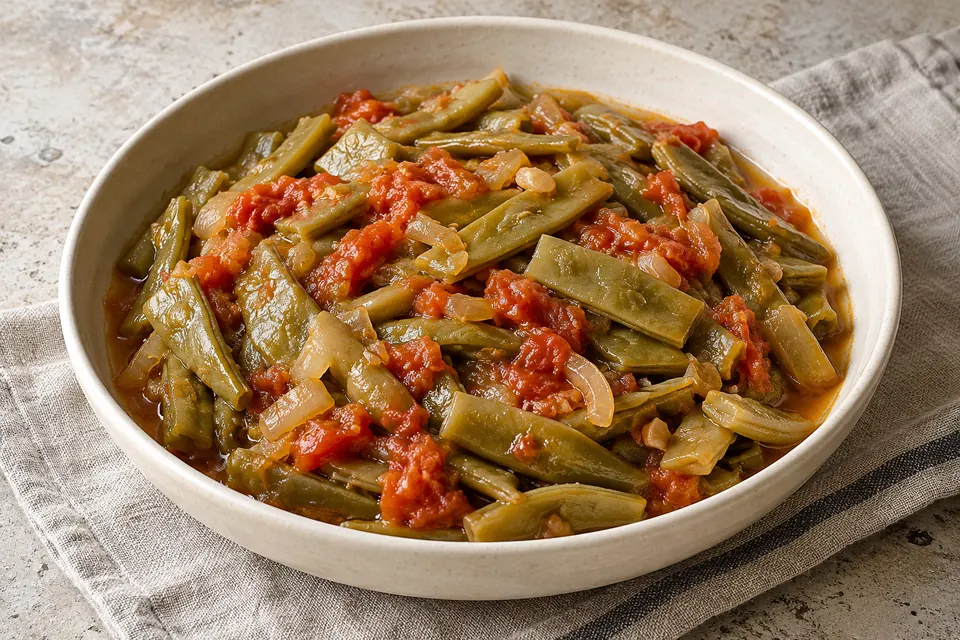
Turkish Olive-Oil Green Beans — Zeytinyağlı Taze Fasulye
Turkish green beans braised with tomatoes, onion and olive oil
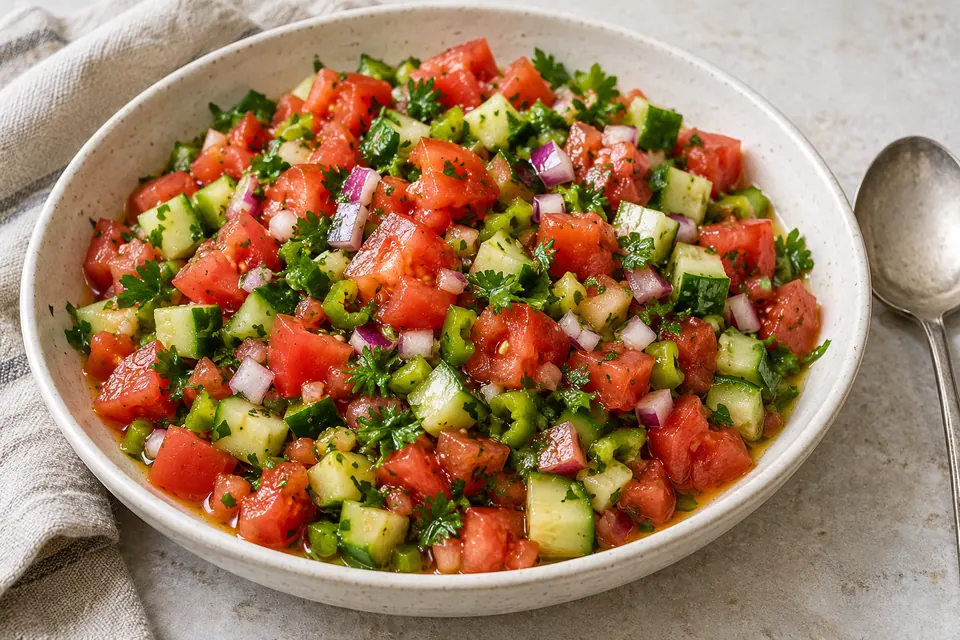
Turkish Shepherd Salad — Çoban Salatası
Turkish chopped tomato and cucumber salad