Blog
Bread on the Turkish Table: Yufka, Bazlama and Simit
Bread on a Turkish table is not a single shape or texture. A thin sheet of yufka, a soft round of bazlama and a crisp sesame-coated simit may all accompany familiar foods, but they are made differently and do different jobs. Knowing those distinctions makes it easier to choose the right bread for breakfast, a shared meal or a quick snack without treating every flat or ring-shaped loaf as interchangeable.
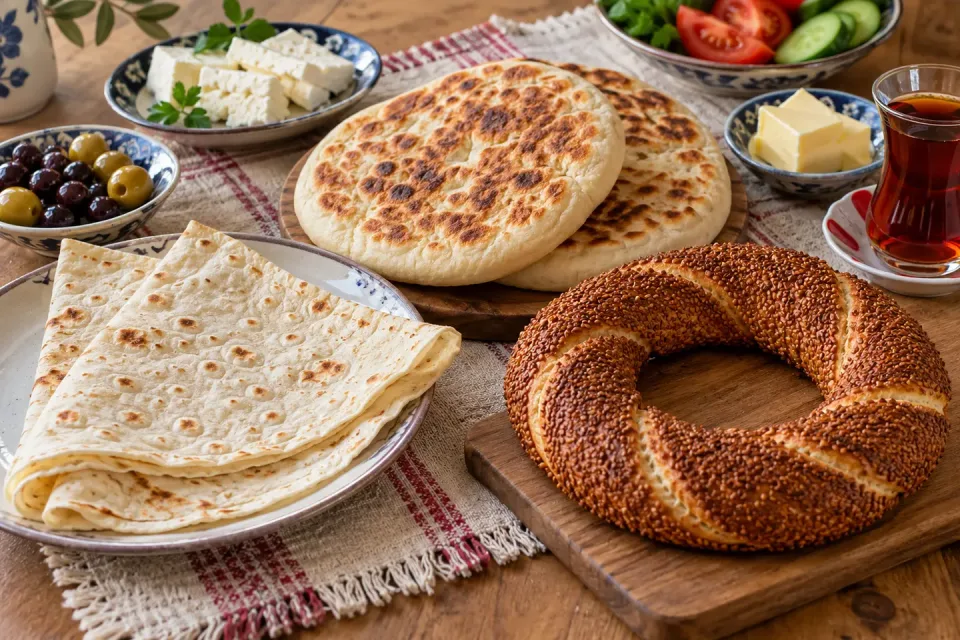
Three breads, three different structures
Yufka is a very thin, usually unleavened wheat bread rolled with a long pin and cooked on a sac, a convex metal griddle. The Turkish Ministry of Culture and Tourism distinguishes it from lavash in its heritage account: in Türkiye, yufka is described as unleavened, while lavash is leavened and traditionally baked in a tandır. Names and methods can still vary by household and region, so the distinction is a useful guide rather than a reason to correct every local usage.
Bazlama is thicker and generally leavened. It is shaped into a round and cooked on a hot griddle, giving it browned patches and a soft interior that can be split, torn or used to gather food from a plate. Simit follows another path: it is a ring of firmer dough, commonly coated with a grape-molasses mixture and sesame before baking. Its crust and chew make it closer to a portable bakery bread than to either yufka or bazlama.
Why yufka is also a culture of sharing
In 2016, UNESCO added the multinational tradition of making and sharing lavash, katyrma, jupka and yufka to the Representative List of the Intangible Cultural Heritage of Humanity. The inscription covers Azerbaijan, Iran, Kazakhstan, Kyrgyzstan and Türkiye; it should not be presented as belonging to only one country. The cultural practice includes the knowledge, cooperation and social meaning around the bread, not merely a list of ingredients.
The Turkish cultural record describes neighbours gathering for collective bread making, especially for winter preparation and occasions such as weddings, holidays and funerals. Experienced participants handle kneading, rolling and baking while younger people learn through smaller tasks and observation. Thin yufka can be made dry for longer keeping and softened when needed. That practical method helps explain why a bread-making day could supply a household beyond the day of baking.
Bazlama and simit change from place to place
A Kırıkkale bazlama record uses a yeasted dough shaped by hand and cooked on a sac, then served with butter and cheese. Other regional and household versions may differ in size, flour mixture or cooking surface. The important visual and practical cues are its thickness, soft crumb and griddle-browned surface. Warm bazlama suits a leisurely breakfast, but it also works beside saucy dishes such as menemen or kuru fasulye because pieces can be torn and dipped.
Simit also has strong regional identities. Ankara Simidi, for example, is officially described as thinner, smaller, darker and crisper than many other simits. Its deep brown colour comes from a concentrated grape-molasses treatment rather than burning, and its sesame is roasted before baking. This is why one city's simit should not be used as the fixed standard for every bakery in Türkiye. A general simit recipe can introduce the form, while regional names signal more specific expectations.
Choosing and serving the right bread
For a quick breakfast, simit is easy to break and share with white cheese, olives, tomatoes, jam or tea. Bazlama is softer and more substantial; warm it briefly, then serve it with butter, cheese, eggs or a stew. Yufka can be folded around simple fillings or laid beside a meal, but check what you have bought: a dry traditional bread, a soft ready-to-eat flatbread and thin pastry sheets sold for börek do not always need the same handling.
Serve only as much bread as the table is likely to use, then protect the rest from drying out. Fresh bazlama and simit benefit from short reheating rather than prolonged heat, while dry yufka should be kept dry until it is intentionally softened. Above all, let the menu decide the bread. A crisp ring, a pillowy griddle bread and a flexible thin sheet create different experiences even when the same cheese, olives or cooked dish sits beside them.
Recipes
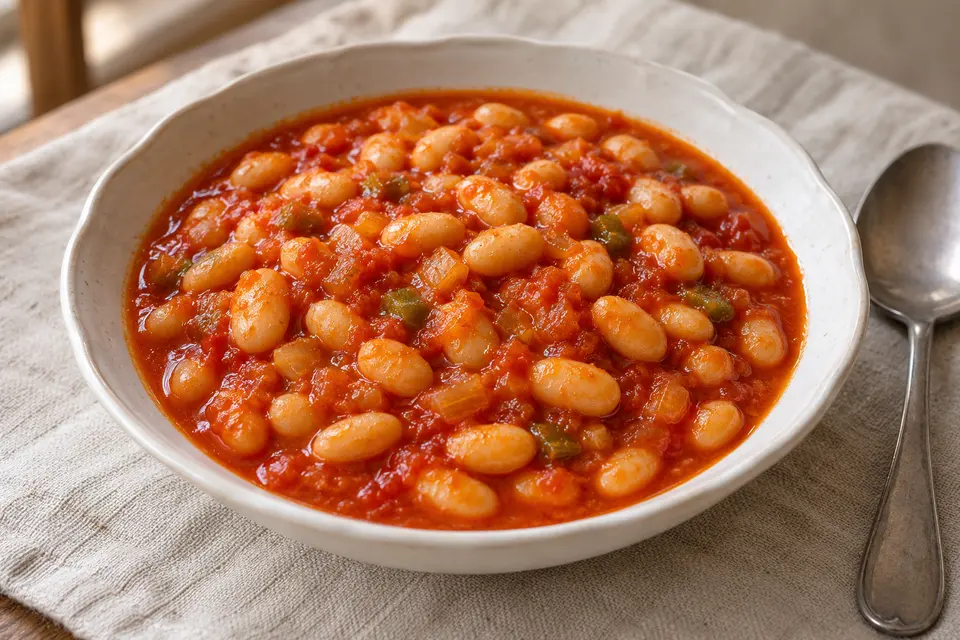
Turkish White Bean Stew — Kuru Fasulye
Turkish white bean stew in a tomato and pepper-paste sauce
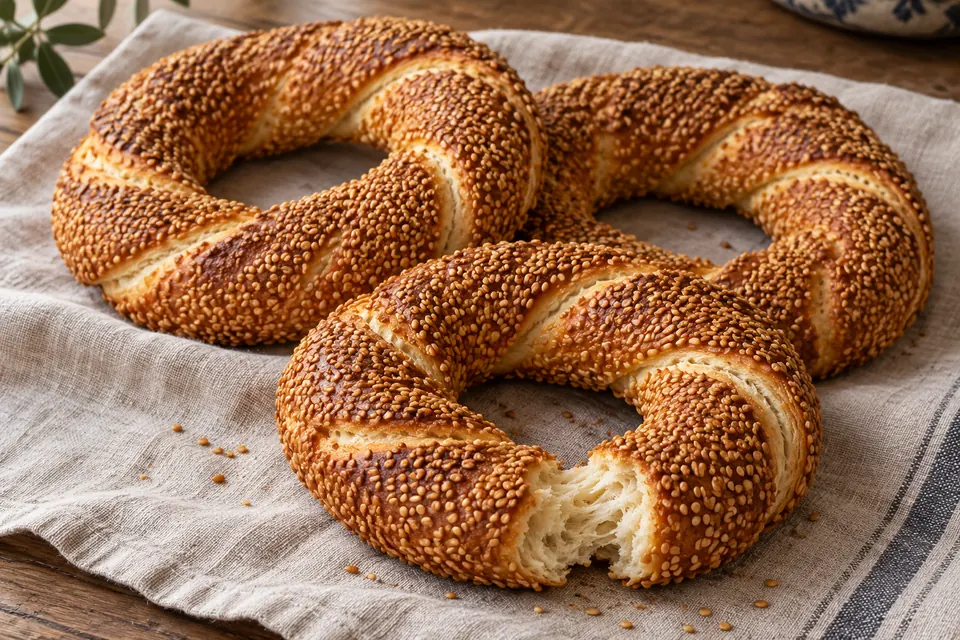
Turkish Sesame Bread Rings — Simit
Turkish twisted bread rings with grape molasses and sesame
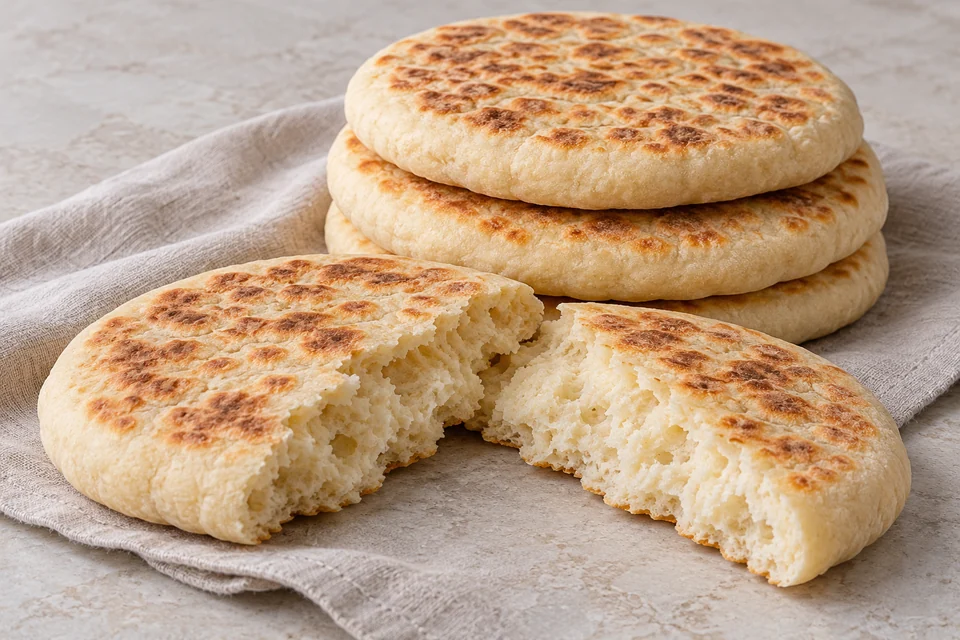
Turkish Flatbread Recipe — Bazlama
Soft Turkish skillet flatbread
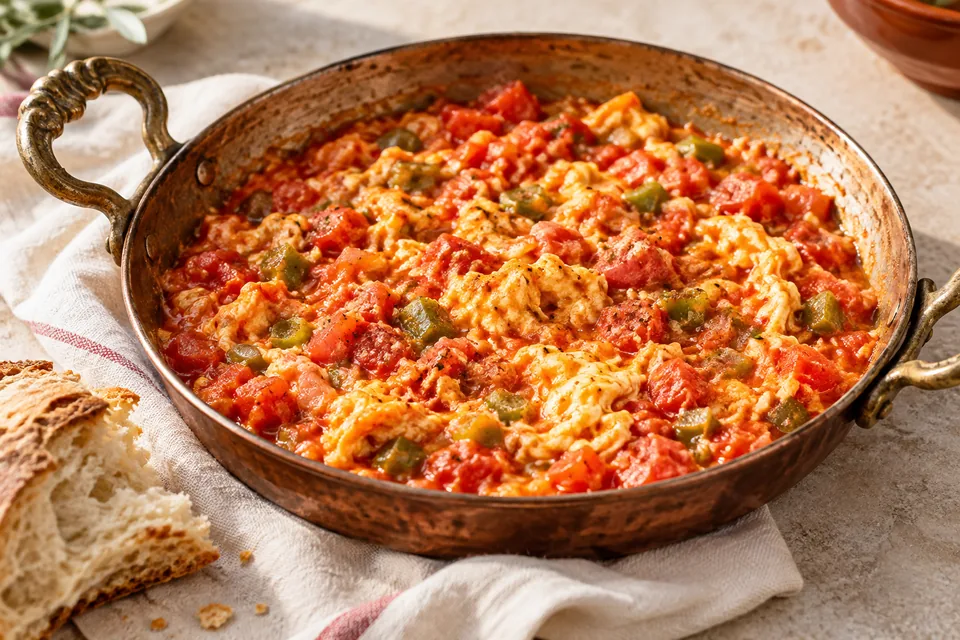
Turkish Scrambled Eggs Recipe — Menemen
Turkish eggs with tomatoes & peppers