Blog
Soup at the Turkish Table: From Breakfast to Dinner
In Turkish cooking, soup is not restricted to one course or one hour of the day. A bowl may open a family meal, become a quick lunch, or appear at breakfast in a regional tradition. Mercimek çorbası, yayla çorbası and tarhana show how legumes, grains, yogurt, dried preparations and aromatic finishes can all lead to very different results. Understanding those differences is more useful than looking for a single soup that represents every Turkish table.
More than a starter
Soup often begins a meal, and historical descriptions of Ottoman family dining also place it before meat, pilaf and other courses. That sequence still feels familiar in many homes and restaurants, but it is not a fixed modern rule. A smooth lentil soup can be a small first course, while a substantial soup with grains, legumes or meat may be the meal itself.
The Turkish Ministry of Culture and Tourism's folk-food record gives soup an especially broad place: it notes that soups were sometimes consumed with the idea of şifa, or comfort and restoration, and that they could be important at breakfast. GoTürkiye likewise presents soup as something eaten before a main course or at other times of day. These sources describe a wide habit, not a claim that every household serves soup every morning.
One category, many foundations
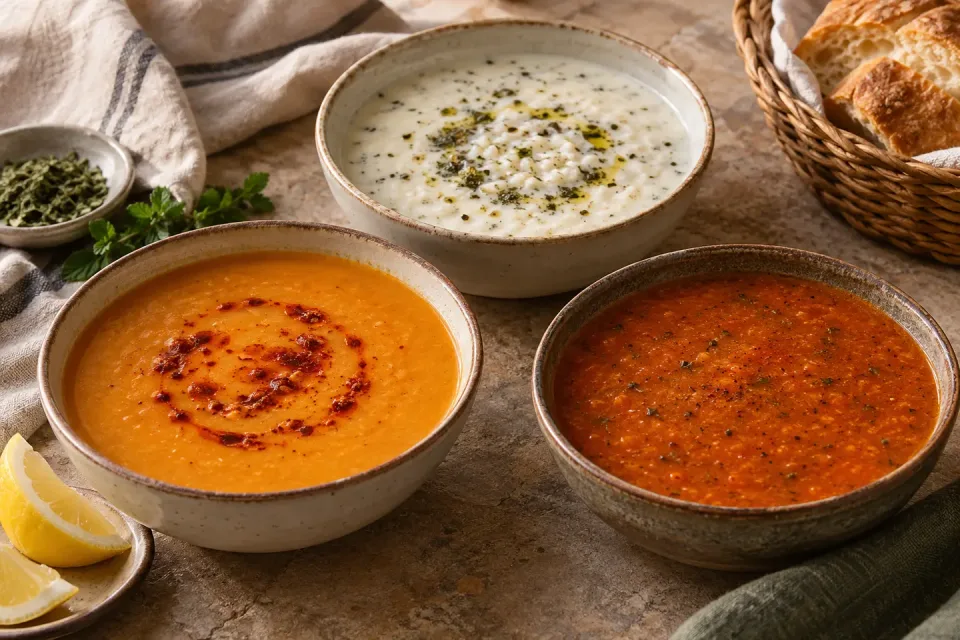
Mercimek çorbası builds body from lentils, usually with onion and a restrained range of seasonings. It is commonly served smooth, with lemon offered at the table and sometimes a red-pepper butter on top. Yayla çorbası follows a different method: yogurt, rice and often flour create a pale, gently tangy soup, while dried mint in warm fat provides the familiar aromatic finish. The two bowls should not taste or look interchangeable.
Tarhana introduces another idea. A mixture based on yogurt, grain or flour and other ingredients is fermented, dried and later dissolved for soup. Its exact composition is not uniform across Türkiye. Noodle soups, broths, offal soups and regional combinations of legumes and grains expand the category further. The word çorba therefore describes a place in the meal as much as it describes one cooking technique.
Regional names need regional context
A regional name is often a clue to texture and method. The Culture Portal's Konya record describes a particularly plain, silky mercimek çorbası that keeps the focus on lentils rather than adding a crowd of vegetables. That is a useful Konya example, not a national rule. Other cooks may include carrot, potato, tomato paste or different spice finishes and still recognize the bowl as mercimek çorbası.
Muğla's official tarhana account makes the point even more clearly. It distinguishes a pale, coarse tarhana made with yogurt and cracked wheat from a red version containing a broader mixture of grains, legumes, tomato and pepper. One may be substantial enough to serve as a main dish, while another is associated with breakfast. Both are called tarhana, yet their preparation, texture and role at the table differ.
How to build a meal around soup
Start by deciding whether the soup is a first course or the center of the meal. For a starter, serve a modest bowl and follow it with a vegetable dish, pilaf or a main such as tavuk sote. For a light meal, a fuller portion of mercimek çorbası with warm bazlama and a simple salad may be enough. Yayla çorbası works well when the rest of the menu is not dominated by another creamy or yogurt-based dish.
Keep the finishing touches specific to the bowl. Put lemon beside lentil soup rather than squeezing it into every soup automatically. Add mint butter to yayla çorbası shortly before serving so its aroma remains clear. Reheat yogurt-thickened soups gently and stir them to restore an even texture. Most importantly, use the recipe and regional name as a guide: Turkish soup culture is richest when its differences are kept visible.
Recipes
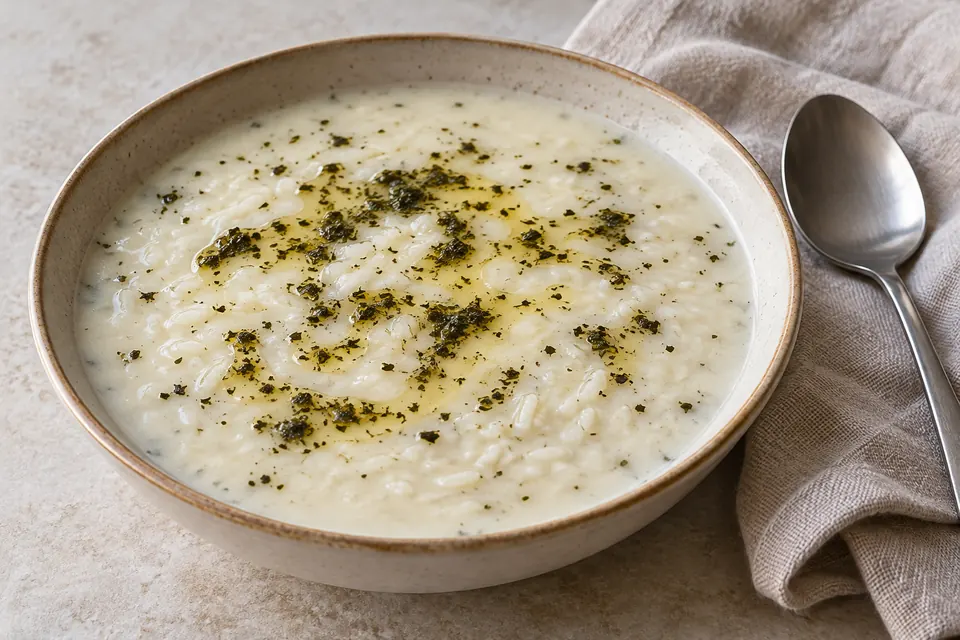
Turkish Yogurt Soup — Yayla Çorbası
Turkish yogurt soup with rice and dried mint butter
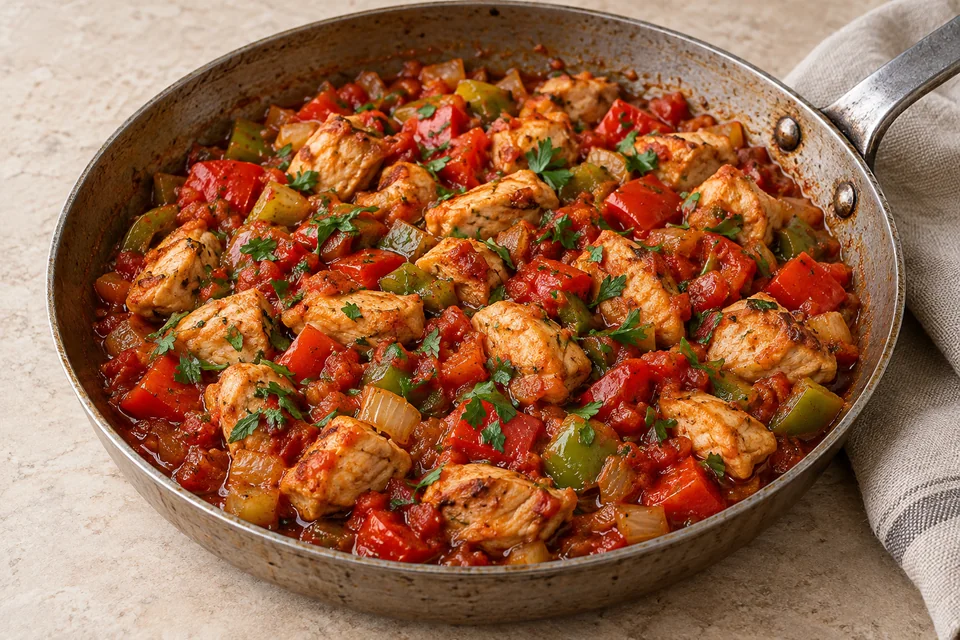
Turkish Chicken Sauté Recipe — Tavuk Sote
Turkish chicken sauté with tomatoes and peppers
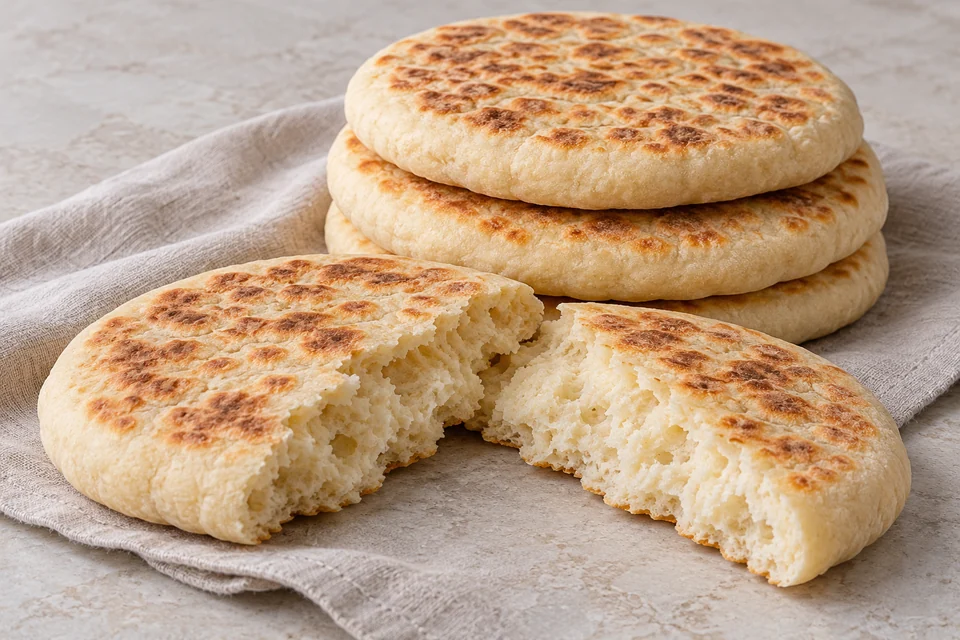
Turkish Flatbread Recipe — Bazlama
Soft Turkish skillet flatbread
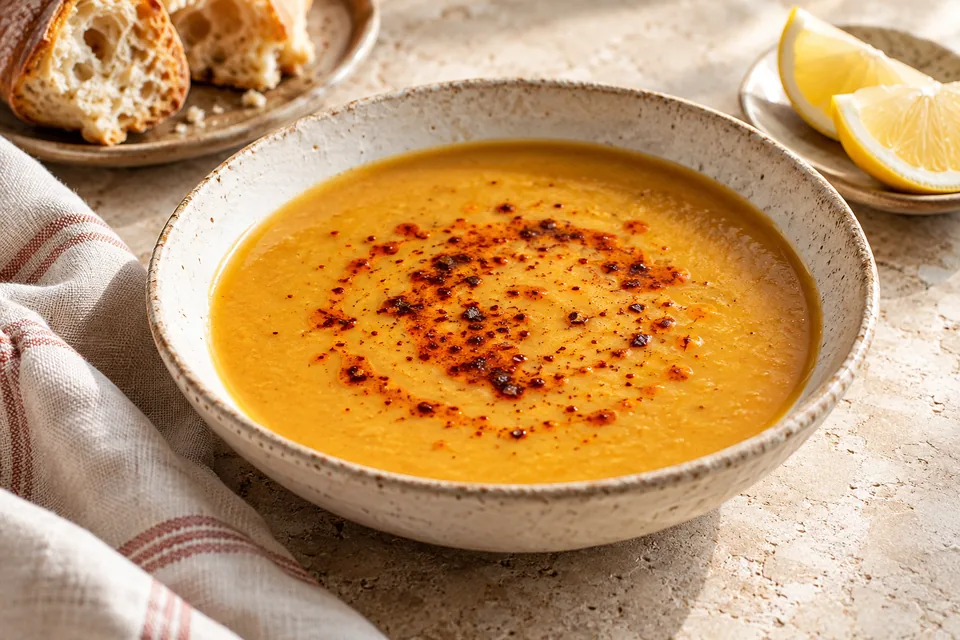
Turkish Red Lentil Soup Recipe — Mercimek Çorbası
Silky Turkish red lentil soup