Blog
Purslane in Turkish Cooking: Isparta, Amasya and Gaziantep
Purslane can enter a Turkish meal as a cool salad or become part of a substantial cooked dish. Its familiar Turkish name is semizotu; regional accounts also use pirpirim. Following the plant through three documented preparations reveals more than a list of ingredients. It shows how one green can change its role, texture and place at the table without losing its identity. These examples are regional reference points, rather than a single national formula.

Isparta: a green held in yogurt
The Culture Portal’s Isparta example combines purslane with strained yogurt, olive oil and salt. It is a concise preparation in which the green remains the focus. The recorded version does not require cucumber or garlic.
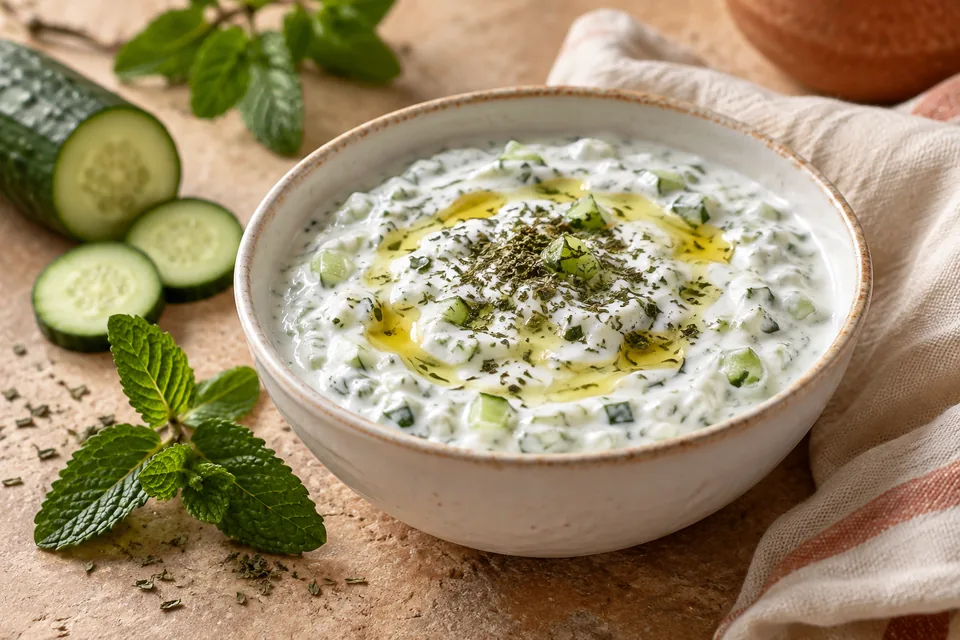
That distinction is useful when planning a meal. A yogurt-coated green offers a different eating experience from a loose bowl of leafy salad. Give it its own small dish so guests can choose how much to take, and tell them that the white dressing contains milk. If you already plan to serve cacık, consider choosing one yogurt dish rather than filling the table with very similar textures. This is a menu suggestion, not a rule about how people in Isparta must eat.
Amasya: pirpirim becomes a cooked dish
The Amasya account cooks pirpirim with minced meat, onion, rice and salça. It also records a separate preparation called pirpirim kavurması, made with fine bulgur and butter. The same green therefore appears in more than one local form.
For a reader meeting these names on a menu, the practical question is what accompanies the purslane in the pot. Rice, bulgur and meat change the substance of the dish and how much else the meal needs. Ask about those ingredients instead of assuming that every vegetable name describes a light side plate. When choosing a home recipe, check whether its starting quantities refer to whole bunches or cleaned greens; trimming can make those measurements quite different.
Gaziantep: a pantry of pulses around the green
Gaziantep’s registered pirpirim aşı uses fresh or dried purslane with chickpeas, green lentils, black-eyed peas and bulgur. Sumac souring, salça and mint help define it; the specification also permits meat versions. Fresh and dried purslane have separate quantities and preparation methods.
This is a good reminder to read beyond a dish’s photograph. A green stew may contain wheat, pulses or meat that are not obvious at first glance. At home, select a complete recipe matching the purslane you actually have. Do not exchange fresh bunches and dried greens by equal weight or copy only the final cooking stage. The earlier soaking and cooking instructions belong to the preparation too.
Bring the comparison to a home table
Buy culinary purslane from a food seller and use its name when asking for it. This article is not a guide to identifying wild plants. Before cooking, follow your chosen recipe’s cleaning and trimming instructions, and keep washed greens separate from raw meat. A loose bunch on the counter can help you understand the ingredient, but it does not replace a reliable recipe.
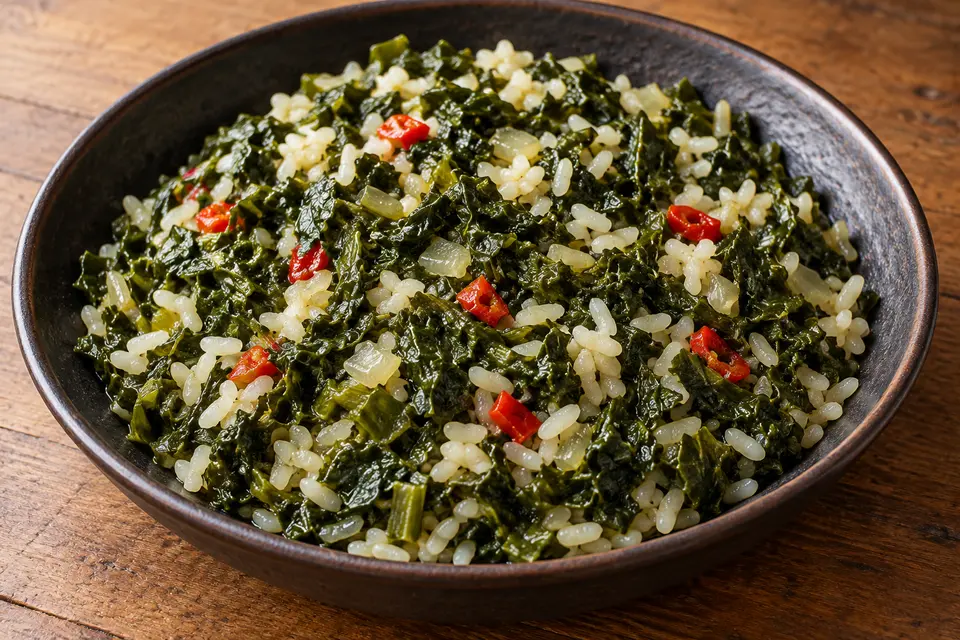
For a small meal, choose either a cool purslane salad or a substantial warm preparation as the main point of interest. Bazlama can provide bread alongside it. Our Karalahana Diblesi offers a separate comparison of greens cooked with rice; it is a collard-green dish, not a substitute purslane recipe. Taste and compare the roles of the greens rather than treating them as interchangeable. One clearly named dish, a sensible companion and an explanation of the ingredients can make an unfamiliar vegetable feel approachable.
Recipes
Turkish Collard Greens and Rice — Karalahana Diblesi
Giresun-Style Collard Greens and Rice

Turkish Flatbread Recipe — Bazlama
Soft Turkish skillet flatbread
Turkish Cucumber Yogurt Dip Recipe — Cacık
Cooling cucumber & yogurt with mint