Blog
Kaygana Across Türkiye: Trabzon, Aksaray and Isparta
A familiar dish name can lead to an unfamiliar plate. Kaygana is a useful example: the name appears in regional accounts for preparations that share eggs and pan cooking but differ in structure and sweetness. Following three documented versions gives a practical way to read menus, choose a recipe and explain a dish to guests. These are local examples, rather than a claim that every household in each province cooks identically.
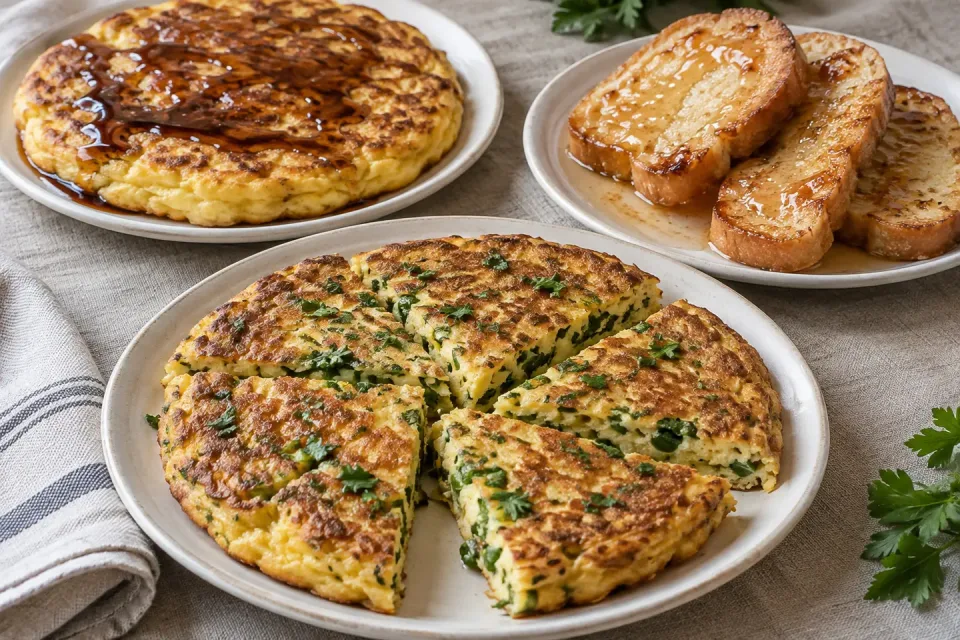
Trabzon: herbs in the pan
The Culture Portal’s Trabzon kaygana combines eggs and wheat flour with parsley and spring onion. A pourable mixture is fried on both sides, either across the pan or in smaller portions.
For menu planning, think about the place this savoury pancake will occupy. Its browned surface and herbs can be the centre of a light meal. A fresh, simply dressed salad provides a different texture without requiring another substantial hot dish. Cut a large round into wedges before taking it to the table so guests can share it easily. Our herb Kaygana recipe offers a complete starting point for home cooking; the cultural comparison here does not replace its ingredient list or cooking instructions.
Aksaray: the topping changes the direction
Aksaray’s recorded kapama/kaygana uses eggs, milk and flour cooked in butter. It may be served with honey or pekmez; some homes add kaymak.
This makes a useful distinction when asking what a menu name means. Is sweetness already part of the plate, or is a sweet accompaniment offered separately? Keeping a topping in a small jug lets guests decide how much to add and makes it easier to compare the plain egg mixture with the finished serving. That is a home serving suggestion, not a prescribed regional custom. If you want a savoury meal, ask about the preparation before ordering rather than assuming that every egg dish belongs to the same part of the menu.
Isparta: bread becomes a dessert
Isparta’s kaygana starts with sliced bread dipped in beaten egg and fried. The slices receive cooled sugar syrup, and walnuts are optional. The account classifies it as a dessert.
Here the bread itself gives the dish its structure. When introducing it at home, name that ingredient clearly so guests know what they are tasting. A small dessert portion after a simple meal will communicate its role more clearly than a large plate presented as an unspecified egg breakfast. If walnuts are included, mention them separately. A photograph alone cannot reliably reveal an egg coating, the ingredients in the loaf or an optional nut topping, so the description matters as much as the appearance.
Use the regional name as a conversation starter
Three questions help with all these versions: which region does this preparation follow, does it use a batter or bread, and how is it finished? Those questions invite a concrete answer without turning regional variation into a competition over one correct recipe. The shared name is a reason to look more closely at the food.
For a small home comparison, choose two contrasting preparations rather than cooking all three at once. Write down the exact recipe names, keep their ingredient lists separate and explain the difference before serving. Our Çılbır provides another egg-based point of comparison, with a different method and texture; it is a companion reading suggestion, not another name for kaygana. Check the chosen recipes for egg, wheat, milk and any toppings relevant to your guests. The point of a comparison is to make each preparation easier to recognize and enjoy.
Recipes
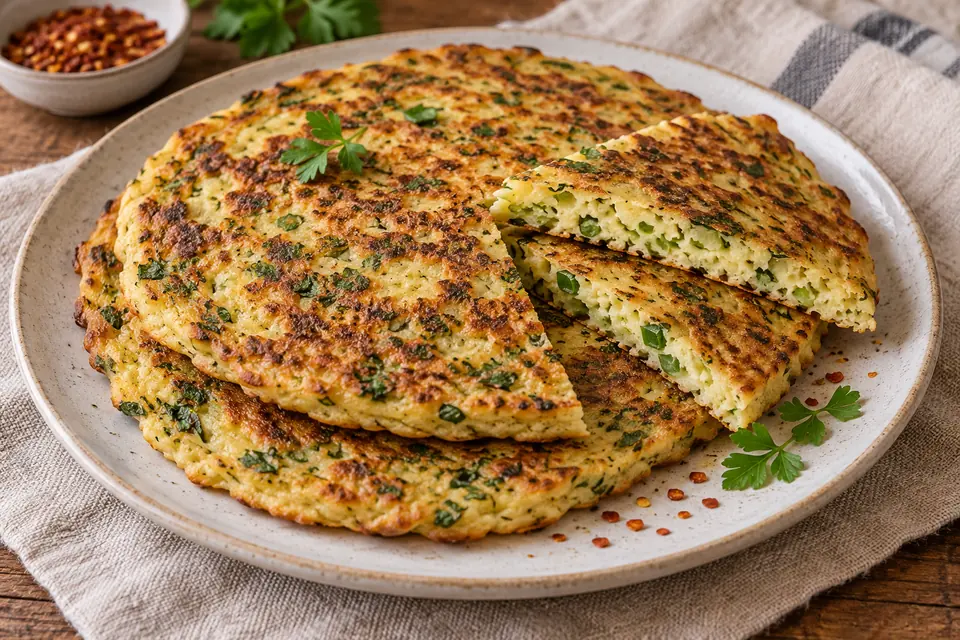
Turkish Herb Pancakes — Kaygana
Savory Turkish egg pancakes with parsley and spring onions
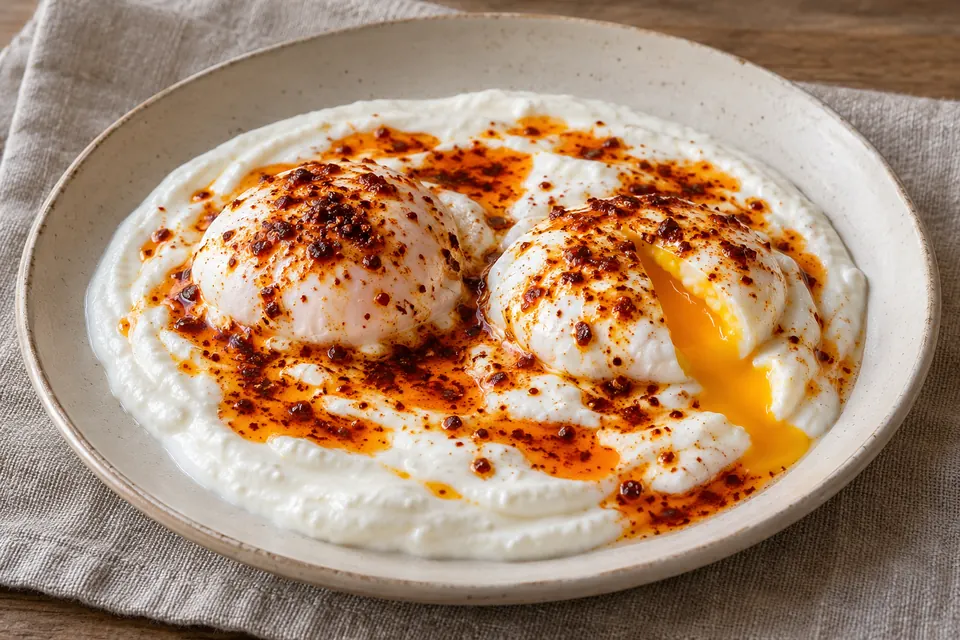
Turkish Poached Eggs — Çılbır
Turkish poached eggs with garlic yogurt and pul biber butter