Blog
Honey at the Turkish Table: Anzer, Pervari and Muğla
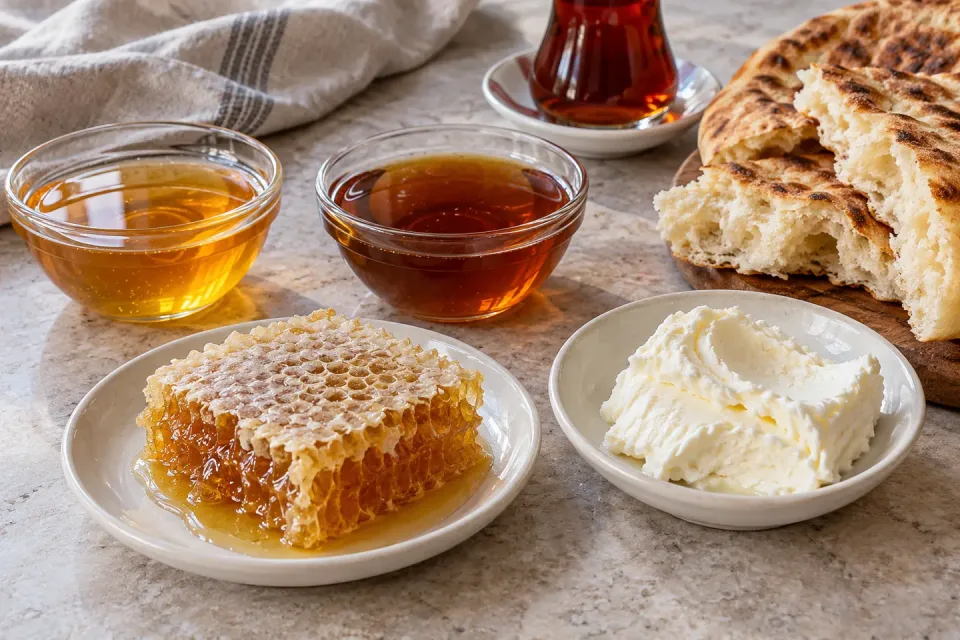
A Turkish breakfast may bring honey to the table in a jar, a small dish or a piece of comb. Those presentations reveal only part of its story. A regional name can describe a landscape, while words such as süzme and petekli describe how the honey is presented. Anzer, Pervari and Muğla offer a useful introduction to both questions: where does the honey come from, and what exactly is being served?
Anzer and Pervari begin with flowering landscapes
The Culture Portal places Anzer, also called Ballıköy, in Rize's İkizdere district and connects its honey with the plateau's flowers. Its Pervari entry describes nectar gathered from the mountain and plateau flora of that Siirt district. These are two distinct places, not interchangeable labels for any Turkish mountain honey. Preserving the place names makes a conversation about provenance more precise.
When choosing a jar, ask who produced it and where the honey was harvested. Keep the label available during a tasting so guests can connect the name with the product in front of them. A familiar regional name is a starting point for those questions; tasting a spoonful alone cannot establish that a honey came from a particular plateau.
Muğla's pine honey tells a different story
Muğla Çam Balı is a honeydew honey. Its registered specification explains that bees collect sugary secretions produced by Marchalina hellenica insects feeding on Turkish red pine. It therefore differs from honey made from flower nectar. The specification describes a dark colour and woody, balsamic aromatic character. These are characteristics of the named product, rather than a promise about every dark honey on a shop shelf.
For a comparison, put the honeys in identical small dishes and taste each before adding bread or cream. Notice aroma, texture and the finish as well as sweetness. Avoid turning the tasting into an authenticity test based on colour or thickness. The production story and traceable label add information that appearance by itself cannot provide.
Comb, extracted honey and the word karakovan
Pervari's official description distinguishes karakovan honey, comb honey and extracted honey. In its karakovan production, bees build the comb themselves; the described petekli version uses prepared comb, while süzme is separated from the comb. The terms therefore answer different practical questions from a regional name. Comb is a form of presentation and production, not a synonym for one floral origin.
At a counter, ask whether you are buying a piece of comb or a jar of extracted honey, and what the seller means by karakovan for that product. At home, keep each example separate and give it its own utensil. This makes serving easier and allows the texture of the comb to remain part of the comparison.
Make honey one part of breakfast
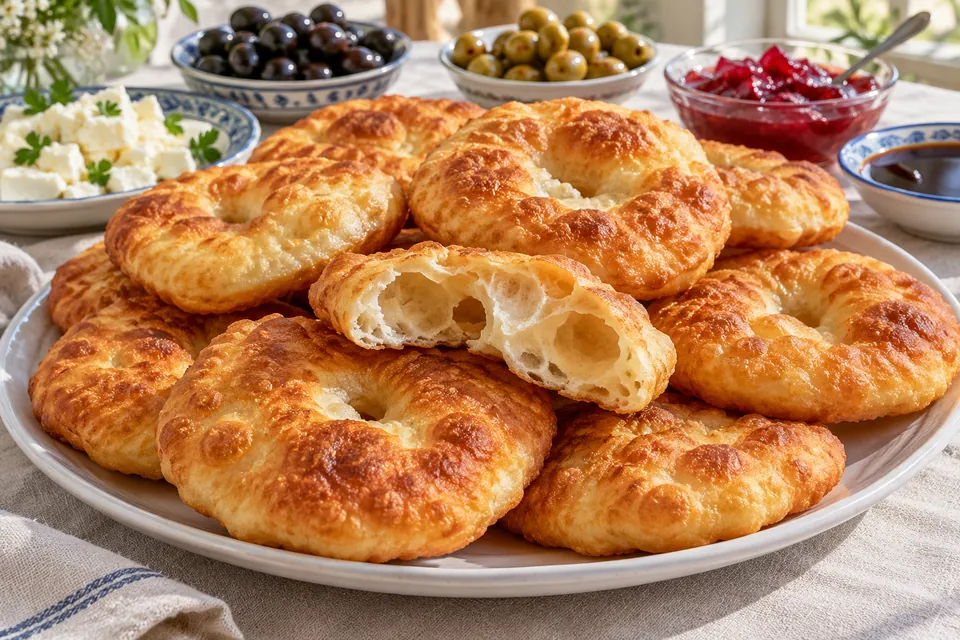
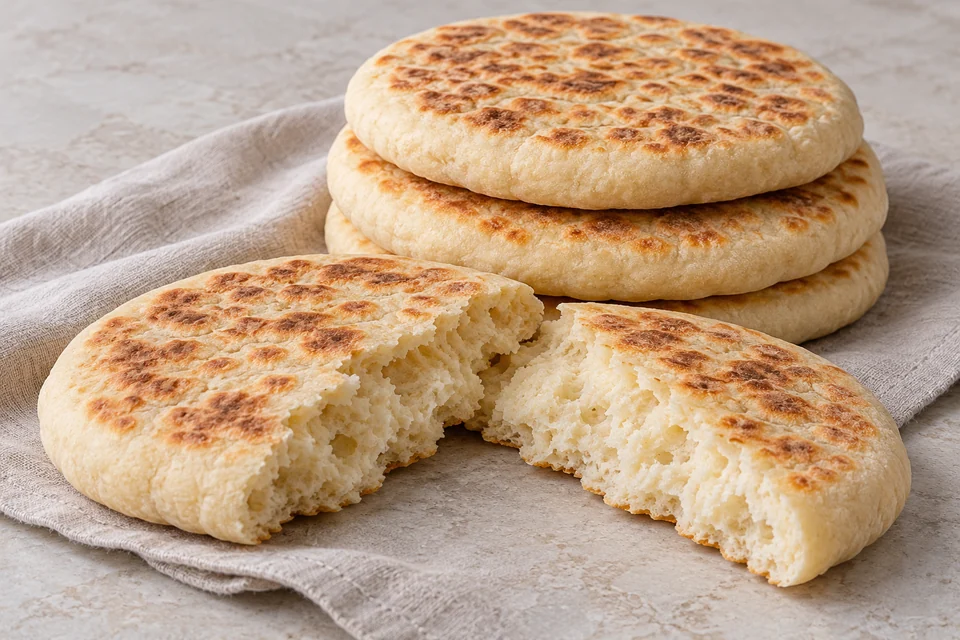
GoTürkiye includes honey and kaymak among Turkish breakfast foods and describes Anzer honey on buttered bread in a Black Sea example. For a manageable home table, serve a little honey and kaymak with the linked bazlama, or choose the linked pişi as an alternative. These are menu suggestions, not a requirement to serve every bread together. Keep honey and cream in separate dishes so guests choose their proportions.
Follow each food's own storage guidance and put chilled dairy out close to serving. Honey is not vegan, and kaymak adds milk; check the bread ingredients when planning for dietary needs. Do not give honey to children younger than 12 months, including in food or drinks, because of infant botulism risk. A small, clearly explained selection leaves room to appreciate regional differences without making health or medicinal claims for the honey.
Recipes
Turkish Fried Dough — Pişi
Turkish fried yeast dough
Turkish Flatbread Recipe — Bazlama
Soft Turkish skillet flatbread