Blog
Chickpeas in Turkish Cooking: Leblebi, Warm Humus and Stew
A chickpea can be dry and crisp, softly mashed or left whole in a savory pot. Turkish regional cooking makes room for all three. Serinhisar leblebi, Tarsus humusu and Denizli's soğan aşı offer a useful way to explore this range without treating every chickpea dish as interchangeable. Their differences begin with preparation and continue through texture, temperature and the role each food plays at the table.
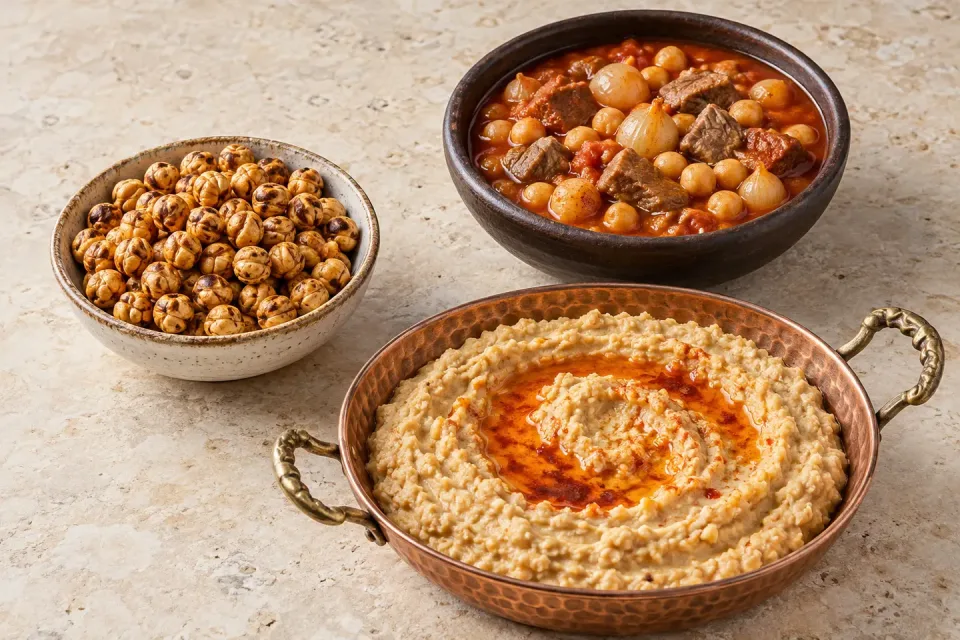
Serinhisar: the craft behind a roasted snack
GoTürkiye's Denizli guide identifies Serinhisar with leblebi, roasted chickpeas, and describes production as a sequence involving roasting, conditioning and resting. It also describes family businesses passing practical knowledge between generations. That account presents leblebi as the result of an established craft, rather than simply a handful of cooked chickpeas put into an oven.
For the home reader, the distinction is useful when shopping. Ready-to-eat leblebi belongs in the snack part of the cupboard. It should not be confused with dried raw chickpeas waiting to be soaked and cooked, or with a can of tender cooked chickpeas. The names may point to the same pulse, but the products perform different jobs. Serve a small bowl on its own when you want a crisp contrast to softer foods.
Tarsus: humus served warm and deliberately textured
The Ministry of Culture and Tourism's account of Tarsus Humusu describes cooked chickpeas crushed with a pestle in a hammered copper bowl, then combined with tahini, lemon juice or citric acid, garlic and spices. Heated pepper-flake oil goes over the top; pastırma is an optional addition. Warm service and a visibly textured mash are distinguishing features of the regional preparation described there.
This local account should not be read as a claim that all humus must look or taste the same. It gives the reader a particular version to recognize. Nor does the presence of chickpeas settle a dish's dietary status: an optional meat topping changes what is on the plate. If exploring the idea at home, look for a complete recipe that specifies the topping and fat, and judge the finished preparation rather than assuming every chickpea puree is vegan.
Denizli: whole chickpeas share the main pot
In the Ministry's Denizli record for soğan aşı, chickpeas join cubed meat, small onions, tomato paste and ground red pepper. The dried chickpeas are soaked before cooking, while the onions remain recognizable pieces. Here the chickpea contributes a separate bite inside a substantial dish. Its role differs from both the roasted snack and the crushed base of humus.
The site's soğan aşı recipe is a practical next step for readers who want this whole-chickpea texture. Use its full preparation and doneness guidance rather than borrowing a cooking time from another chickpea dish. Softness suitable for a puree and tenderness suitable for a stew need not be identical, and the condition of the starting ingredient matters. Keep the regional name attached to the version you are following.
Build a meal around the texture you want
Start with a serving role rather than a universal chickpea formula. Choose leblebi for a separate crisp snack, warm humus for a spoonable plate, or soğan aşı for a main dish with broth and distinct pieces. These are alternatives for exploring an ingredient, not a prescribed three-course regional menu. No single example represents every Turkish household or every neighboring culinary tradition.
For a simple meal from the site's collection, pair soğan aşı with a modest portion of plain rice pilaf, or choose bazlama when bread suits the sauce better. Those are practical menu suggestions, not pairings required by the official regional entries. Let the main dish determine how much accompaniment you need. Following the chickpea's changing texture is a more useful starting point than adding several heavy chickpea preparations to the same table.
Recipes
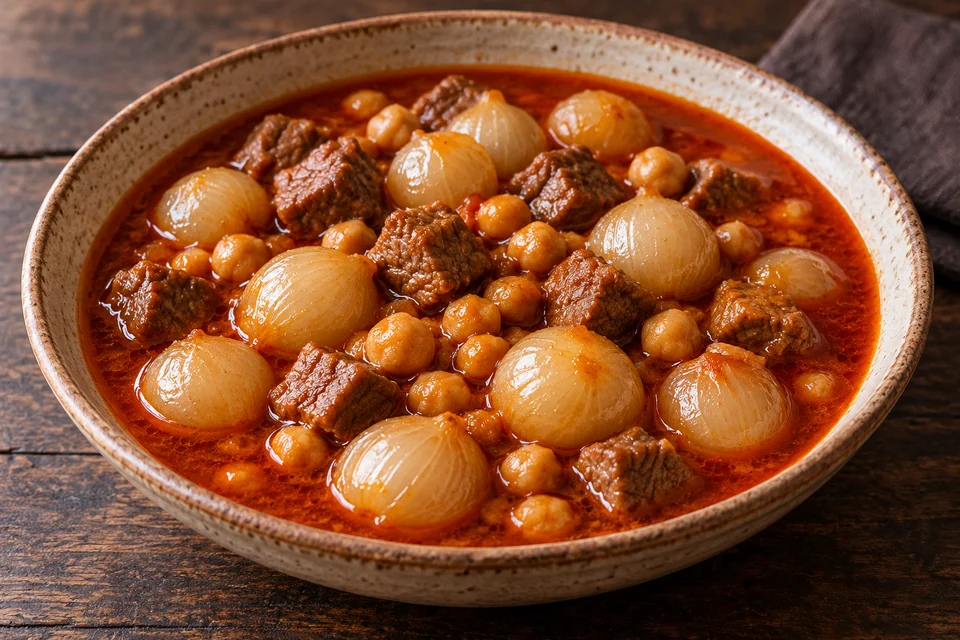
Turkish Pearl Onion and Chickpea Stew — Soğan Aşı
Denizli-style meat, whole onion and chickpea stew
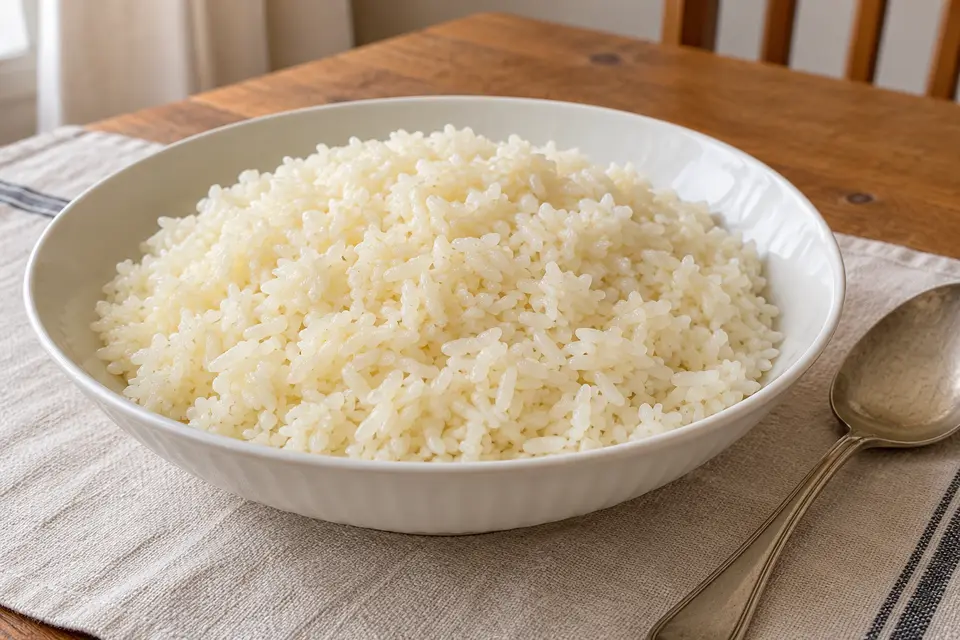
Turkish Buttered Rice Pilaf — Pirinç Pilavı
Turkish buttered rice pilaf with separate, tender grains
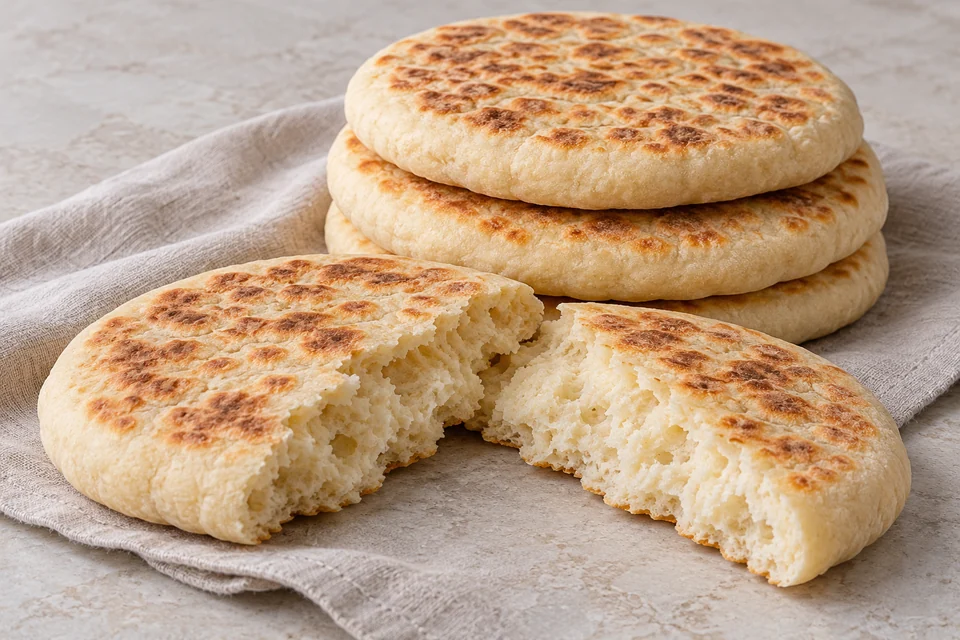
Turkish Flatbread Recipe — Bazlama
Soft Turkish skillet flatbread