Blog
Black Sea Cornmeal: Kuymak, Cornbread and Regional Differences
A bowl of yellow cornmeal can lead to very different textures on a Turkish Black Sea table: a browned loaf cut into pieces, or a hot pan of butter and cheese eaten while it is still fluid. Looking at these dishes together reveals more than a shared ingredient. It shows why a regional name, a flour choice and a serving moment all matter when bringing this cooking into a home kitchen.
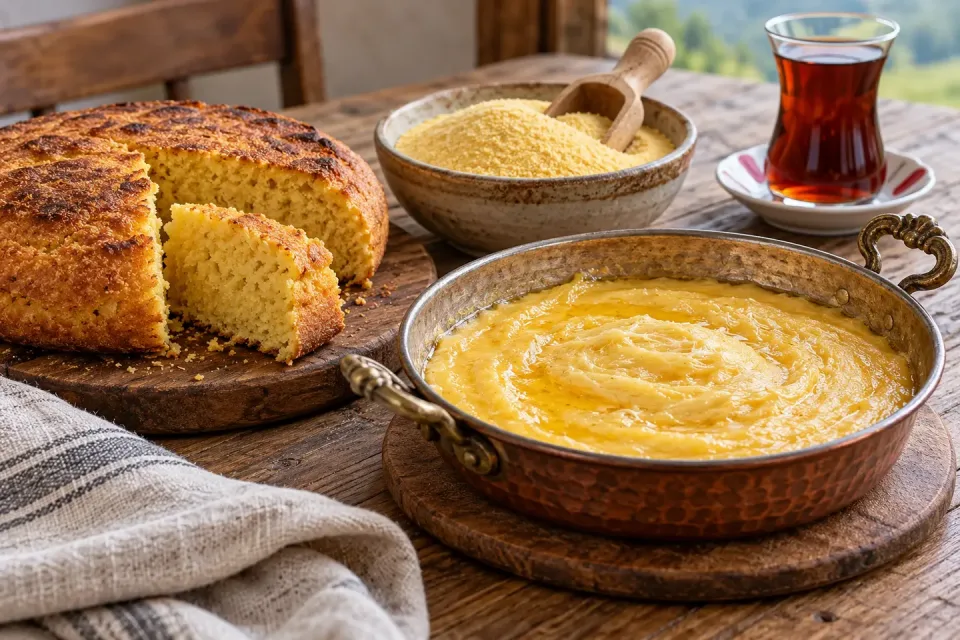
Trabzon kuymak: the pan is part of the meal
The Culture Portal's Trabzon account describes kuymak made with cornmeal, butter, water and telli peynir, a stringy cheese. The cornmeal is first cooked in butter; water turns it into a thick base before the cheese joins it. The finished dish is served hot. GoTürkiye also uses muhlama as a name for kuymak, reflecting an overlap in regional terminology rather than a universal rule for every household.
For a home meal, think of kuymak as the warm center of the table. Prepare the plates and other accompaniments before the pan is ready. Its appeal depends on the relationship between the soft cornmeal base and melted cheese, so leaving it standing while the rest of breakfast is assembled misses an essential part of the experience.
One name does not guarantee one flour mixture
Gümüşhane's documented kuymak makes the variation especially clear. Its ingredient list combines ordinary flour with cornmeal, includes kaymak or cream, and finishes with tel peynir. That differs from the cornmeal-based Trabzon account. Neither description should be silently substituted for the other when explaining a particular local version.
This distinction is useful when shopping or asking about ingredients. The word kuymak alone cannot establish whether a dish contains wheat. Read the complete recipe, including its dairy products and flour blend. When serving guests with dietary requirements, a precise description of the version is more helpful than an assumption based on the name or region.
Ordu cornbread: the same grain, another role
Ordu's Culture Portal entry for mısır ekmeği is strikingly spare: cornmeal, water and salt, shaped into an oiled tray and baked until browned. It offers a useful counterpoint to a pan enriched with butter and cheese. Here the grain becomes bread that can be portioned and placed beside other dishes, rather than a molten preparation requiring immediate attention.
The short regional description does not make every Turkish cornbread identical. Use it as evidence of one local approach, not a promise that all loaves contain the same ingredients. If following a full recipe, keep its stated grind and liquid proportions: a flour intended for a smooth pan dish and a coarse meal used for another preparation need not behave alike.
Build a table around contrasting textures
A practical introduction is to choose one main cornmeal preparation and let the rest of the meal provide contrast. With kuymak, fresh cucumber and tomato can lighten the plate; tea and a small amount of bread complete a modest breakfast. These are menu suggestions, not a claim that every Black Sea household serves an identical spread.
For a broader regional meal, explore the site's baked anchovies or herb kaygana alongside the kuymak recipe on a different occasion. They offer other ways into the region without turning one breakfast into a tasting marathon. The useful lesson is simple: follow the named local version, notice what the flour is doing, and give each dish the serving conditions its texture deserves.
Recipes
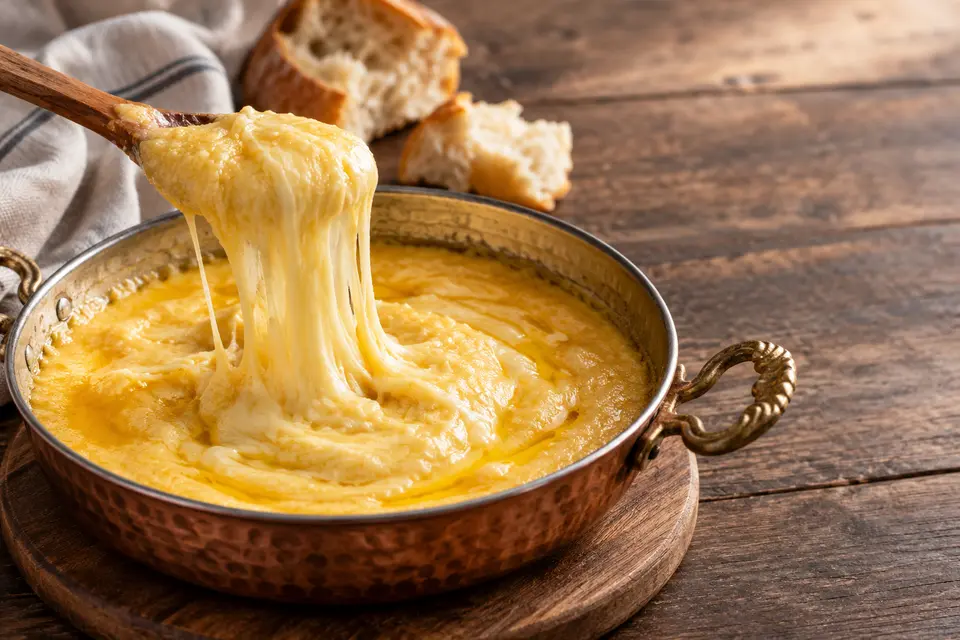
Turkish Cornmeal and Cheese — Kuymak (Muhlama)
Trabzon-style cornmeal and melted cheese breakfast
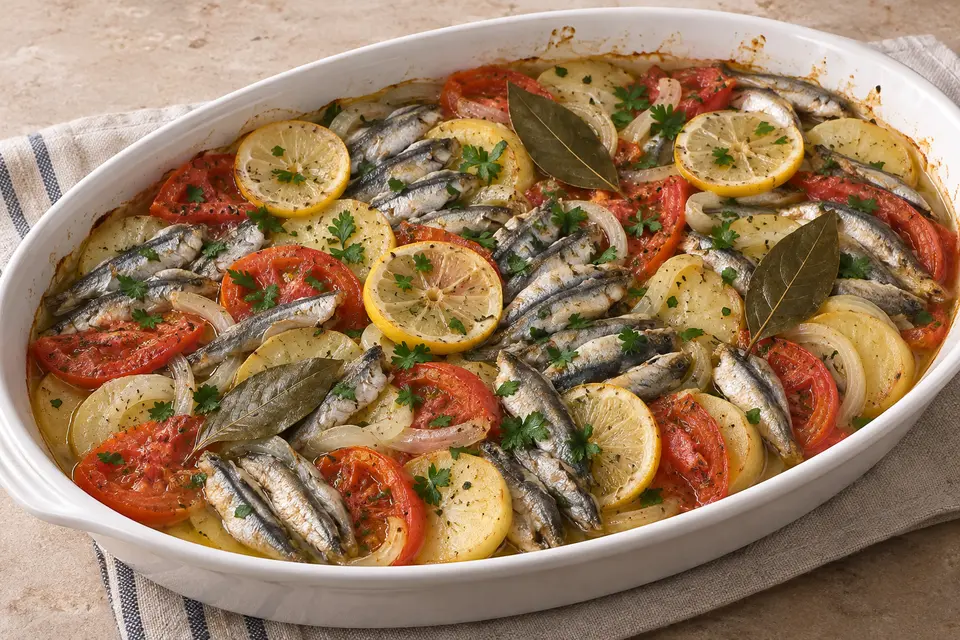
Turkish Baked Anchovies — Hamsi Buğulama
Black Sea anchovies baked with potatoes, tomatoes, onion and lemon
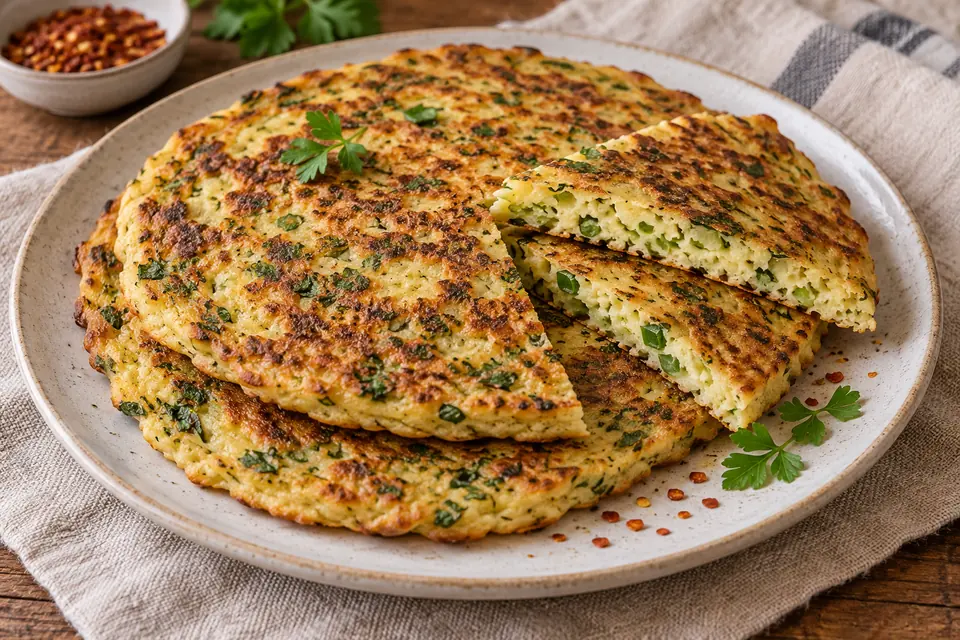
Turkish Herb Pancakes — Kaygana
Savory Turkish egg pancakes with parsley and spring onions